

 WHAT WE will do with the Zone of Puerto Mariel (ZEDM)? . + QUÉ HAREMOS CON LA ZONA DEL PUERTO MARIEL (ZEDM)?.
WHAT WE WILL DO WITH THE ZONE OF PUERTO MARIEL (ZEDM)?.
The special development zones like the huge project of Mariel (ZEDM) belong to design policies that might have some success in the early 80s of last century, especially in the “Asian dragons”, but what of anyone really think that this strategy is the most appropriate for an economy of Stalinist nature, backward, inefficient and lacking economic resources?
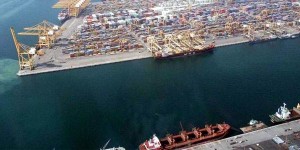
The ZEDM just turned two years. More than enough time to check if it works. Those responsible have been content with the results of the investigation to attract investors and infrastructure development, marketing and basically any public work. Surprisingly confident that the “promotion strategy to target markets and the implementation of the detailed regional planning” is the indicator of how to develop the first sector of the zone. What kind of business planning is that it starts with the roof? To our knowledge, opportunity studies are usually done at a much earlier stage, and never when things are going. No wonder that in the end everything going wrong end.
And as an example that no one knows what to do with the ZEDM are the different options currently being considered, “if multimodal connection if rail and road access, that if shipping through the container terminal inaugurated a months after the area, even with the airports “Would not it be more reasonable to bet on a particular means of transport and not to disperse efforts, moreover, they have a cost, and high?
Having reached the limit, it appears that the authorities are giving maximum facilities to companies established in the ZEDM pose, not many (about 11, most brasileiras as the great builder Odebrecht project) taking into account the propaganda effort; and yet for Cubans no regimes and individuals ZEDM policies, flexibility in the procedures or eliminating red tape. For Cubans, and largely for foreigners, only 45 kilometers, are all inspections, checks, limitations and political repression. We will see whether this policy leads somewhere.
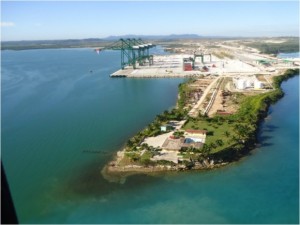
Surprising statement ZEDM benefits that offers foreign investors, officials said. First, the workforce; second, the privileged geographical position in the center of the Caribbean Sea and near the intersection of North-South and East-West international maritime freight, third, the above mentioned Single Window system axes and the special tax regime more attractive than applicable in other areas of the country; fourth, the profit tax, which 15% for mixed foreign investment and 35% for 100% Cuban capital or foreign, in the ZEDM becomes a tax exemption for ten years from the start of operations, and then taxed at 12%. Anywhere on the island could, under such conditions, be a ZEDM. Many foreign investors in the East, Pinar del Rio and Camaguey will start claiming the same tax benefits. You’ll see.
In addition, a brief statement of the companies that have opted for ZEDM in these two years, indicates how little they relate to the objectives of the scheme to promote sustainable economic development of the nation through foreign investment, ensure industrial concentration , technological innovation and environmental protection. One example is Banco Financiero Internacional SA It is to operate in financial terms for investors in the area, and the container terminal, PSA International of Singapore, more or less the same; The same applies to Richmeat of Cuba S.A. dedicated to the processing of meat products, or Devox Caribe SA, which will produce paints, sealants and additives; Belgian BDC Log S.A. logistics, and BDC Tec S.A., electronic; Service Profood produce juices; mixed with Brazil, Brascuba Cigarettes S.A; Suchel Unilever SA and Brazilian construction company, Companhia SA Works and Infrastructure (IOC).
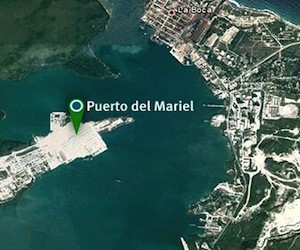
Surprising that the authorities would take the ZEDM to substitute imports and generate exports, prioritizing biotechnology and pharmaceutical industries. In addition, they give priority to industries of electronics, and packaging, with a high import component, metalworking, logistics and service delivery, construction companies, financial institutions and banks. A statement of activities that have little to do with improving the lives of Cubans, that is, feeding clothing, footwear and enjoyment of goods and services to other countries in similar conditions.
Also, it does not understand why the regime does not want, explicitly, investments in warehouses and logistics, when that is a fundamental activity for the Cuban economy. It is somewhat curious that the only US companies that have shown interest in ZEDM, are mainly distributors and stockists. All of them of course has been told not to. And then, as always, the fault moves to the embargo.
CubaEconomia/ELIAS Amor / Internet Photos / Excerpt / TheCubanHistory.com
The Cuban History / HOLLYWOOD.
Arnoldo Varona, Editor.
CUBA TODAY/HOY.
QUÉ HAREMOS CON LA ZONA DEL PUERTO MARIEL (ZEDM)?.
Las Zonas especiales de desarrollo, como el proyecto faraónico del Mariel (ZEDM), pertenecen a diseños de políticas que pudieron tener algún éxito en la década de los años 80 del pasado siglo, sobre todo en los “dragones asiáticos”, pero, ¿de verdad alguien piensa que esa estrategia es la más adecuada para una economía de naturaleza estalinista, atrasada, ineficiente y carente de recursos económicos?
La ZEDM acaba de cumplir dos años. Tiempo más que suficiente para comprobar si funciona. Los responsables se han conformado con los resultados de las pesquisas para la atracción de inversores y desarrollo de infraestructuras, básicamente marketing y alguna obra pública. Lo sorprendente es que confíen en que la “estrategia de promoción a mercados meta y la ejecución del planeamiento regional detallado” sea el indicador de cómo desarrollar el primer sector de la Zona. ¿Qué clase de planificación empresarial es esa que empieza por el tejado? Que se sepa, los estudios de oportunidad se realizan generalmente en una fase muy anterior, y nunca cuando las cosas están en marcha. No es extraño que al final todo termine saliendo mal.
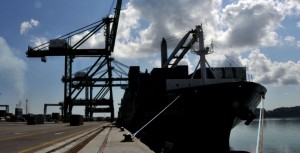
Y como ejemplo de que no se sabe qué hacer con la ZEDM, están las distintas opciones que barajan actualmente, “que si conexión multimodal, que si accesos ferroviarios y por carretera, que si marítimo, a través de la terminal de contenedores, inaugurada unos meses después de la zona, incluso con los aeropuertos” ¿No sería más razonable apostar por un medio de transporte concreto y no dispersar esfuerzos que, por otra parte, tienen un coste, y elevado?
Llegados al límite, parece que las autoridades están dando las máximas facilidades a las empresas que plantean establecerse en la ZEDM, tampoco tantas (unas 11, casi todas brasileiras como Odebrecht el gran constructor del proyecto) si se tiene en cuenta el esfuerzo propagandístico realizado; y sin embargo, para los cubanos nada de los regímenes y políticas particulares de la ZEDM, agilidad en los trámites o eliminación de cargas burocráticas. Para los cubanos, y en buena medida para los extranjeros, a tan solo 45 kilómetros, todo son inspecciones, controles, limitaciones y represión política. Ya se verá si esta política conduce a algún sitio.
Sorprende el enunciado de beneficios que la ZEDM ofrece a los inversores extranjeros, según las autoridades. Primero, la fuerza laboral; segundo, la privilegiada posición geográfica en el centro del mar Caribe y próxima al cruce de los ejes Norte-Sur y Este-Oeste del tráfico marítimo internacional de mercancías, tercero, el mencionado sistema de Ventanilla Única y el régimen especial tributario más atractivo que el aplicable en otras zonas del país; cuarto, el impuesto sobre las utilidades, que del 15 % para la inversión extranjera mixta y 35 % para la de capital 100 % cubano o extranjero, en la ZEDM se convierte en una exención impositiva por diez años a partir del inicio de sus operaciones, y posteriormente tributan un 12 %. Cualquier punto de la isla podría, en tales condiciones, ser una ZEDM. Muchos inversores extranjeros en Oriente, Pinar del Rio o Camaguey van a empezar a reclamar las mismas ventajas fiscales. Ya lo verán.
Además, un somero enunciado de las empresas que han apostado por la ZEDM en estos dos años, nos indica la poca relación que guardan con los objetivos del régimen de fomentar el desarrollo económico sostenible de la nación por medio de inversión extranjera, garantizar la concentración industrial, la innovación tecnológica y la protección del medioambiente. Un ejemplo son el Banco Financiero Internacional S.A. está para operar en términos financieros para los inversores de la zona, y la terminal de contenedores, de PSA International, de Singapur, más o menos lo mismo; otro tanto sucede con Richmeat de Cuba S.A. dedicada al procesamiento de productos cárnicos, o Devox Caribe S.A., que producirá pinturas, impermeabilizantes y aditivos; las belgas BDC Log S.A. de logística, y BDC Tec S.A., de electrónica; Profood Service producirá jugos; la mixta con Brasil, Brascuba Cigarrillos S.A; Unilever Suchel S.A y la constructora brasileño, Companhia de Obras e Infraestrutura S.A. (COI).
Sorprende que las autoridades quieran aprovechar la ZEDM para sustituir importaciones y generar exportaciones, con prioridad en la biotecnología y la farmacéutica. Además, otorgan prioridad a las industrias de la electrónica, y de envases y embalajes, con un alto componente de importación, la metalmecánica, logística y la prestación de servicios, empresas constructoras, entidades financieras y bancarias. Un enunciado de actividades que tienen poca relación con la mejora de las condiciones de vida de los cubanos, es decir, su alimentación vestido, calzado y disfrute de bienes y servicios en condiciones similares a otros países.
Además, no se entiende por qué el régimen no quiere, de manera expresa, inversiones en almacenes y logística, cuando esa es una actividad fundamental para la economía cubana. No deja de ser curioso que las únicas empresas de EEUU que ha mostrado interés en la ZEDM, sean principalmente distribuidores y almacenistas. A todos ellos lógicamente se les ha dicho que no. Y luego, como siempre, la culpa se traslada al embargo.
CubaEconomia/Elías Amor/Internet Photos/Excerpt/TheCubanHistory.com
The Cuban History/ HOLLYWOOD.
Arnoldo Varona, Editor.