

FAMILIA CUBANA BACARDI mira hacia las reformas con cautela pero positivamente.
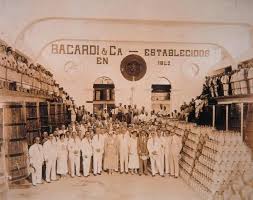
En 1862, el inmigrante catalán Don Facundo Bacardí Massó, fundó en Santiago de Cuba la destilería de ron más famosa del mundo. En 1960, sus descendientes vieron a la propiedad ser intervenida por la naciente revolución de Fidel Castro.
La semana pasada, el heredero de la familia ha dicho que quiere regresar a Cuba, ahora que el hermano del hombre que nacionalizó la fortuna familiar parece estar cambiando de rumbo. “Cuba pasó de una postura de línea dura, bajo Fidel, a Raúl, que está dando pasos de bebé”, así de tajante ha sido Facundo Bacardí III, en unas declaraciones que, una vez más, han tenido un fuerte impacto en la comunidad exiliada cubana del sur de Florida.
Ahora, en opinión del patriarca de la familia con tan solo 47 años, “la sociedad se está abriendo poco a poco, hay reformas” y mientras “las reformas continúen, las personas que más se benefician son los cubanos”. “Cada país hace las cosas a su propio ritmo. Cuba no es diferente. Puedo entender que el gobierno cubano no quiere correr el riesgo de una revolución, por lo que aplica los cambios de manera poco sistemática durante un período de tiempo. La pregunta es: ¿Raúl irá hasta el final o no?”, se ha cuestionado en declaraciones a la revista ‘Cigar Aficionado’.
 FACUNDO BACARDI III.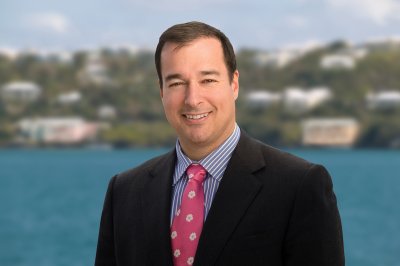
Ante esta nueva realidad, Bacardí no duda en afirmar que la empresa familiar contempla muy seriamente el regreso a la isla comunista. Aunque no sabe cuando. “Vamos a invertir allá más de lo que se necesita para construir la marca. Vemos a Cuba como nuestro hogar”, ha puntualizado.
Esto no significa que haya una unanimidad sobre el asunto entre los Bacardí, que se encuentran esparcidos un poco por todo el mundo. Desde Puerto Rico, donde reconstruyeron la destilería, hasta España donde tienen inversiones. “Tenemos una gran familia y, como en toda gran familia, hay diferencias de opinión”, ha explicado.
Con su sede principal establecida en Puerto Rico, la destilería Bacardí debe acatar el embargo comercial de Estados Unidos a Cuba, un tema que es prácticamente una religión dentro de la comunidad exiliada. Pero para los Bacardí, no. “En nuestra familia algunos están a favor y otros no. Pero debo decir que no somos políticos”, ha dicho Facundo III a ‘Cigar Aficionado’. En su opinión, lo importante es que aquellos que se preocupan con la situación del país y su futuro, de algún modo mantengan abiertos los canales tanto con los que apoyan como con los que se oponen al embargo comercial.
RETOMAR LA RELACIÓN CON EEUU.
Las declaraciones de Facundo Bacardí III son las segundas, por parte de un magnate de origen cubano, que aboga en Estados Unidos por la reactivación de los lazos con su país de origen y un mejor entendimiento entre los dos países. El primero fue el barón azucarero Alfonso ‘Alfy’ Fanjul, quien en febrero ha provocado un seísmo emocional en el exilio cubano cuando ha manifestado al ‘The Washington Post’ su firme convicción de que hay que unir a los cubanos si se quiere dar un impulso al país. Y también está dispuesto a volver a invertir en Cuba, donde ha estado dos veces en los dos últimos años.
“La familia Fanjul estuvo en Cuba por 150 años. Sí, al final del día quiero ver a nuestra familia de regreso a Cuba, donde todo comenzó. Pero, tendrá que ser bajo las circunstancias correctas. Espero que un día Estados Unidos y Cuba encuentren una vía para que toda la comunidad cubana pueda vivir y trabajar juntas”, ha enfatizado en febrero.
EL EXILIO PIDE UNIDAD.
Bacardí y Fanjul vienen de dos familias de rancio abolengo que en las décadas de 1960 y 70 del siglo pasado, durante los duros años del plomo contrarrevolucionario respaldaron sendos esfuerzos violentos para derribar al Gobierno de Fidel Castro, según autoridades de la isla. Pero hoy, parecen reflejar un sentir cada vez más predominante dentro de la comunidad exiliada, cansada de más de medio siglo de enfrentamiento y divisiones. “Más que ‘real politik’, lo que hay es un sentimiento de resignación”, ha asegurado a ELMUNDO.es el analista Alejandro Armengol.
La semana pasada, la Universidad Internacional de Florida (FIU) divulgó su encuesta anual sobre el estado de opinión del exilio cubano, que comenzó a ser medido por el plantel desde 1991. Por primera vez, el 51% de los encuestados dijeron que se oponen al embargo económico a Cuba. Y el 68% favorece la normalización de los nexos diplomáticos entre Estados Unidos y Cuba.
Son cifras que para los analistas reflejan el hecho de que más de un tercio de los exiliados cubanos que viven en el sur de Florida, arribaron a estas costas después de la segunda mitad de la década de 1990, con otra perspectiva de vida y más realismo. “Las nuevas generaciones no piensan igual que el exilio histórico. Eso es evidente”, ha comentado Armengol
 ALFONSO FANJUL.
Para Guillermo Grenier, profesor de sociología en FIU, estamos asistiendo a la “recubanización de Miami”, una realidad que podrá alterar para siempre el futuro de las relaciones entre los dos países, ya que estos nuevos inmigrantes o exiliados pueden votar, de hecho han dado la victoria al presidente Barack Obama en dos ocasiones, y llevarlo a ser mucho más abierto con el Gobierno de la isla. Todo esto, en opinión de Grenier, porque ahora, y tras décadas de retórica apasionada, “no hay razón para seguir temiendo a la reacción política hacia Cuba”.
ElMundo,Spain/RUI FERREIRA/ Excerpts/InternetPhotos/www.TheCubanHistory.com
FAMILIA CUBANA BACARDI mira hacia las reformas con cautela pero listos.
The Cuban History, Hollywood.
Arnoldo Varona, Editor.
Cuba en Fotos.
CUBAN FAMILY BACARDI looks to the reforms cautiously but positively.
In 1862, the Catalan Don Facundo Bacardi Masso immigrant, founded in Santiago de Cuba’s most famous rum distillery in the world. In 1960, his descendants saw the property be seized by the nascent revolution of Fidel Castro.
Last week, the heir to the family has said he wants to return to Cuba, now that the brother of the man who nationalized the family fortune seems to be changing course. “Cuba went from a hard-line stance, under Fidel, Raul, who is taking baby steps,” so bluntly was Facundo Bacardi III, in remarks that have, once again, had a strong impact on the community Cuban exile in South Florida.
Now, the family patriarch review with only 47, “the society is slowly opening up, there are reforms” and as “the reforms continue, the people who benefit most are the Cubans.” “Every country does things at their own pace. Cuba is no different. I understand that the Cuban government does not want to risk a revolution, so the changes applied piecemeal over a period of time. Question is : Raúl go all the way or not, “has been questioned told the magazine Cigar Aficionado ‘?.
Given this new reality, Bacardi not hesitate to say that the family business very seriously contemplated a return to the communist island. Although you do not know when. “We will invest more than what is needed to build the brand. Cuba We see it as our home,” he pointed out.
This does not mean that there is unanimity on the issue between the Bacardi, which are a bit scattered worldwide. From Puerto Rico, where they rebuilt the distillery, to Spain where they have investments. “We have a big family and, as in any large family, there are differences of opinion,” he explained.
FACUNDO BACARDI III.
With its headquarters established in Puerto Rico, Bacardi distillery must abide by U.S. trade embargo on Cuba, an issue that is practically a religion in the exile community. But for Bacardi, no. “In our family, some are for and some do not. But I must say that we are not politicians,” said Facundo III ‘Cigar Aficionado’. In your opinion, how important is that those who are concerned with the situation of the country and its future, somehow keep channels open to both those who support as those who oppose the trade embargo.
RESUME THE RELATIONSHIP WITH U.S..
Statements of Facundo Bacardi III are the second, by a Cuban-born magnate, in the United States advocating the revival of ties with their country of origin and a better understanding between the two countries. The first was the sugar baron Alfonso ‘Alfy’ Fanjul, who in February has caused an emotional earthquake in the Cuban exile when expressed to ‘The Washington Post’ strong conviction that we must unite Cubans if you want to boost the country. And it is also willing to re-invest in Cuba, where he has been twice in the past two years.
“The Fanjul family was in Cuba for 150 years. Yeah, the end of the day I want to see our family back to Cuba, where it all began. But will have to be under the right circumstances. Hopefully one day the United States and Cuba to find a way for the whole Cuban community can live and work together, “he emphasized in February.
THE EXILES REQUESTS UNITY.
Bacardi and Fanjul are two families of ancient lineage than in the 1960s and 70s of last century, during the hard years of the counter-backed lead two separate violent efforts to overthrow the government of Fidel Castro, as Cuban authorities. But today, seem to reflect an increasingly predominant feeling within the exile community, tired of over half a century of conflict and division. “More than ‘real politik’, so there is a sense of resignation,” has assured ELMUNDO.es analyst Alejandro Armengol.
Last week, Florida International University (FIU) conducted its annual survey on the state of the Cuban exile community, which began to be measured by subjective campus since 1991. For the first time, 51% of respondents said they oppose economic embargo on Cuba. And 68% favor the normalization of diplomatic ties between the U.S. and Cuba.
These figures for analysts reflect the fact that more than a third of Cuban exiles living in South Florida, came to these shores after the second half of the 1990s, a different perspective of life and realism . “The new generations do not think like the historic exile. That’s obvious,” he said Armengol.
ALFONSO FANJUL
Guillermo Grenier, a sociology professor at FIU, we are witnessing the “recubanización Miami”, a reality that will forever alter the future of relations between the two countries, as these new immigrants or exiles can vote, have in fact given victory to President Barack Obama on two occasions, and take it to be much more open with the government of the island. All this, according to Grenier, because now, after decades of impassioned rhetoric, “there is no reason to fear the political backlash toward Cuba.”
Cnn, Spain / RUI FERREIRA / Excerpts / InternetPhotos / www.TheCubanHistory.com
CUBAN FAMILY BACARDI looks reforms cautiously but ready.
The Cuban History, Hollywood.
Arnoldo Varona, Editor