


 Letters from Cuba (04/23/2013) ** Cartas desde Cuba (23 de Abril 2013)
FROM HO CHI MINH TO THE “ATOMIC SPIES”
Every time I walk, and I do quite often, to the Acapulco Park, Avenida 26, Havana I find it shocking the memorial to Ho Chi Minh, placed as a plaster in his corner with Calle 37. Not that I’m against that a gap to remind the Vietnamese leader, because here there are spaces for characters unknown to most, including so-called “atomic spies”, convicted and executed during the Cold War in the United States but the bust, bright gold, and skeletal pyramid that holds it has nothing to do with the design of the park, with the environment in which they find, much less, in Nuevo Vedado. Moreover, do not understand what relationship exists between the pyramid and the Asian country: the pyramids, relate mainly settled civilizations in Egypt, Mexico and Central America.
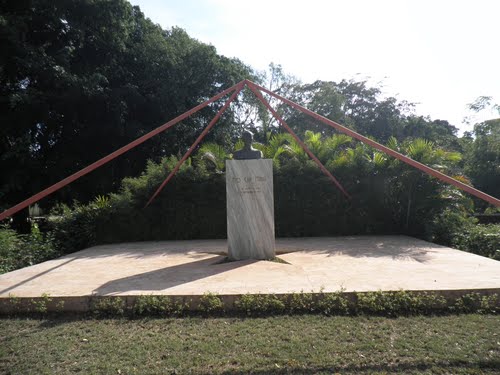
Built in record time by a brigade of Communal, aiming to entertain an important Vietnamese leader to visit the country, the design and location of the bust of Comrade Minh responded to an eminently political decision conjunctural, regardless of the opinion urban specialists or local residents, if they were consulted, which, obviously, seems unlikely.
The fact recalls a similar situation, when also due to political circumstances seek ordered Chinese official who has participated in the War of Independence, and hastily painted a painting of the same, to place in the lounge of the old Palace General Captains, where the important heroes, with the impending visit of important Asian leader. The painting was placed, although by the time of the visit had not completely dried.

Similar cases occurred with General Carlos Roloff, considered here from Poland, and the Brigadier Henry Reeve, of American origin, which pulled hastily from oblivion to give name to a medical team after Hurricane Katrina, with the aim sending it to serve victims in New Orleans, something that never happened, because the U.S. government nor sought nor accepted.
There is no doubt that our authorities are addicted to these ad hoc tributes and monuments, as long as some kind of earnings report. Do not forget the case of Lenin Park, to congratulate the Soviets, when they were considered our “brothers” and enjoyed up space in the Constitution, the Karl Marx Theater in conjunction with the international communist movement and the Germans of the former GDR, the chair-throne offered during the long-ago visit the King of Spain, Don Juan Carlos, not acceptable to him, also in the Palace of the General Captains, and restoration, on the same trip, the apartment where had resided the grandfather of then Prime Minister José María Aznar, on Calle San Lazaro.
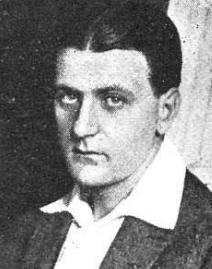 GRANDFATHER OF JOSE MARIA AZNAR THEN PRIME MINISTER IN SPAIN.
Jose Marti also has suffered these tributes, with your bust reproduced in series, placed in the most absurd, since the entry of a trade in freely convertible currency (CUC) to the lobby of a hotel, a bicycle repair shop , club or simply a weedy corner any street. This, not counting placed at the entrance of multifamily buildings.
Should not be neglected sculptures Marti himself unfortunate in the “tontódromo” imperialist and some American characters on G Street, former Presidents Avenue, when the tradition was to place foreign leaders busts in Fraternity Park , next to the Capitol, and not in the Avenida del Vedado
Following the custom, the appearance should not be surprised, much sooner than later, in a tribute dedicated to the late Bolivarian president Hugo Chavez, considered by the authorities, “the best friend of Cuba”.
Nothing, that when respect for the historical figures are diluted and festinadamente honors, using them as a kind of currency, as circumstances dictate policies, happen and happen these and other aberrations.
Sources: Fernando Damaso/DDC/InternetPhotos/www.thecubanhistory.com
Letters from Cuba (04/23/2013)
The Cuban History, Arnoldo Varona, Editor
DESDE HO CHI MINH A LOS “ESPIAS ATOMICOS”
Cada vez que transito, y lo hago bastante a menudo, por el Parque Acapulco, en la Avenida 26, Habana, me resulta chocante el monumento en honor a Ho Chi Minh, colocado como un emplaste en su esquina con la Calle 37. No es que esté en contra de que exista un espacio que recuerde al líder vietnamita, ya que aquí hay espacios hasta para personajes desconocidos por la mayoría, incluyendo los denominados “espías atómicos”, condenados y ajusticiados durante la Guerra Fría en Estados Unidos, sino que el busto, de dorado brillante, y la pirámide esquelética que lo sostiene, no tienen nada que ver con el diseño del parque, con el entorno en que se encuentran y, mucho menos, con el Nuevo Vedado. Es más, no entiendo qué relación existe entre la pirámide y este país asiático: las pirámides, corresponden, principalmente, a las civilizaciones asentadas en Egipto, México y Centroamérica.
Construido en tiempo record por una brigada de Comunales, con el objetivo de agasajar a un importante dirigente vietnamita que visitaría el país, el diseño y ubicación del busto del camarada Minh respondieron a una decisión eminentemente política de carácter coyuntural, sin tener en cuenta la opinión de especialistas en urbanística ni de los vecinos del lugar, si es que fueron consultados, lo cual, a todas luces, parece improbable.
El hecho recuerda una situación similar, cuando también debido a una coyuntura política se ordenó buscar un oficial de origen chino que hubiera participado en la Guerra de Independencia, y pintar a toda prisa un óleo del mismo, para colocarlo en el salón del antiguo Palacio de los Capitanes Generales, donde se encuentran los de importantes próceres, ante la visita inminente del importante dirigente asiático. La pintura fue colocada, aunque para el momento de la visita no había secado totalmente.
Casos parecidos ocurrieron con el General Carlos Roloff, que aquí se considera de origen polaco, y con el Brigadier Henry Reeve, de origen norteamericano, el cual se sacó del olvido para darle apresuradamente nombre a una brigada médica cuando el huracán Katrina, con el objetivo de enviarla a atender a damnificados en Nueva Orleans, algo que nunca sucedió, pues el gobierno de Estados Unidos ni la solicitó ni la aceptó.
No existen dudas de que nuestras autoridades son adictas a estos homenajes y monumentos ad hoc, siempre y cuando reporten algún tipo de ganancias. No debe olvidarse el caso del Parque Lenin, para congratular a los soviéticos, cuando estos eran considerados nuestros “hermanos mayores” y gozaban hasta de espacio propio en la Constitución; el del Teatro Karl Marx, en relación con el movimiento comunista internacional y los alemanes de la extinta RDA; la silla-trono ofrecida durante la ya lejana visita del Rey de España, Don Juan Carlos, no aceptada por éste, también en el Palacio de los Capitanes Generales; y la restauración, en el mismo viaje, del apartamento donde había residido el abuelo del entonces Presidente del Gobierno José María Aznar, en la calle San Lázaro.
MANUEL AZNAR ABUELO DE JOSE MARIA AZNAR ENTONCES PRIMER MINISTRO EN SPAIN
También nuestro José Martí ha sufrido estos homenajes, con su busto reproducido en serie, colocado en los lugares más absurdos, desde la entrada de un comercio en moneda libremente convertible (CUC), hasta el lobby de un hotel, un taller de reparación de bicicletas, un club o, simplemente, una esquina llena de malezas de cualquier calle. Esto, sin contar los colocados a la entrada de edificios multifamiliares.
Tampoco deben olvidarse las lamentables esculturas del propio Martí en el “tontódromo” antiimperialista y las de algunos personajes latinoamericanos en la Calle G, la antigua Avenida de los Presidentes, cuando la tradición era la de colocar bustos de mandatarios extranjeros en el Parque de La Fraternidad, a un costado del Capitolio, y no en esa Avenida del Vedado
Siguiendo la costumbre, no deberá sorprendernos la aparición, mucho más temprano que tarde, de algún homenaje dedicado al desaparecido presidente bolivariano Hugo Chávez, considerado por las autoridades “el mejor amigo de Cuba”.
Nada, que cuando el respeto a las figuras históricas se diluye y se les rinde homenaje festinadamente, utilizándolas como una especie de moneda de cambio, según dicten las circunstancias políticas, suceden y sucederán éstas y otras aberraciones.
Sources:Fernando Damaso/DDDC/InternetPhotos/www.thecubanhistory.com
Letters from Cuba (04/23/2013)
The Cuban History, Arnoldo Varona, Editor