PERSONAJES CUBANOS DE LA VIEJA REPUBLICA, UN DESTACADO PASADO (QUE NO VOLVERA). PHOTOS.
Desde el pasado llegan a la memoria de cualquier habanero, personajes como Cándido “El billetero”, La Marquesa del Floridita, El Caballero de París, el profesor Collado y Bigote ´e Gato, a quienes no era difícil encontrar por las calles de la capital.
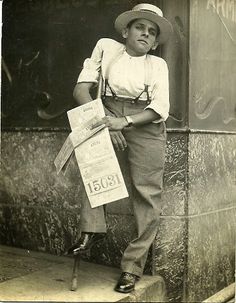
Para cualquier habanero de más de sesenta años, no es difícil encontrarse en las calles personajes populares de antaño. A su memoria pueden venir pregoneros famosos como Cándido, el Billetero del treinta y tres, que pregonaba sus billetes de la Lotería Nacional haciéndose acompañar de un clarinete, en el que interpretaba un extraño tema musical. Su desafinada melodía puede considerarse el antecedente directo de las menciones radiales que recibieron el nombre de Jingles, tan utilizadas después por las empresas jaboneras para identificar sus programas de radio y televisión.
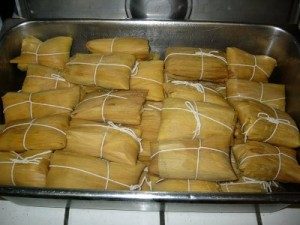
También en la esquina de 23 y 12 ofrecía su mercancía a viva voz, con una especie de pregón telegráfico, el más elegante de los tamaleros que recuerda la ciudad. Enfundado en un impecable traje blanco de dril 100, este popular vendedor de tamales se limitaba a repetir rítmicamente: “Pican … no pican”. Su elegante y discreto pregón debe haberle producido jugosas ganancias.
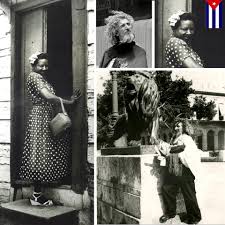
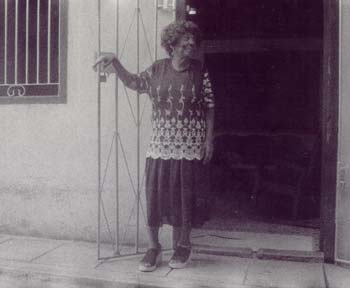
Por la acera del Floridita era frecuente encontrarse con La Marquesa, de modales cortesanos y vestuario originalísimo. La Marquesa no vendía producto alguno. Se limitaba a solicitar de los que pasaban: “¿No tienes una pesetica para La Marquesa?”. Y los habaneros de la época, con una reverencia, la premiaban con la moneda solicitada.
Muy distinto era el estilo de El Caballero de París. De la más rancia nobleza, paseaba su capa negra y su cartapacio de papeles viejos, ofreciendo flores silvestres y piropos decimonónicos a las damas con las que se cruzaba en su cotidiano camino. Si bien su nobleza como Emperador del Mundo era solo producto de su imaginación, sencillez y elegancia al decir, esta lo convirtió en un verdadero monarca de la Ciudad.
El Profesor Collado, el hombre orquesta, llenó las calles de La Habana con populares melodías. El solo ejecutaba más de diez instrumentos musicales a la vez ofreciendo obras de los más significativos compositores de su época. Anunciaba sus servicios en una forma muy peculiar. Decía: ” Amenizo bailes, si ponen el caballo voy al campo”.
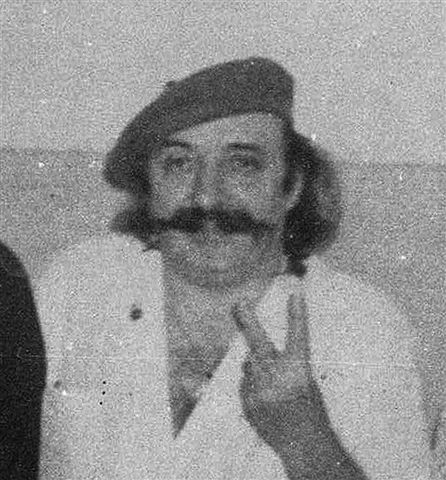
Quizás el único superviviente de esa rica tradición sea Bigote ´e Gato: “un gran sujeto que vive allá por el Luyanó”.
De todos ellos, entre cientos de pregoneros no tan famosos, el que recibió los honores de la posteridad fue El Caballero de París. Gracias a la exquisita sensibilidad de Eusebio Leal, el Historiador de la Ciudad, cuenta con un sencillo y entrañable monumento en la Avenida de Paula, obra del escultor Villa.
Allí, La Habana homenajea a quien, venido de otras tierras, dedicó su vida, entre sueños de grandeza, a obsequiar flores y bellas frases de elogio a las damas que hoy, convertidas en bisabuelas, le agradecen su verdadera nobleza: la del espíritu.
CUBAN CHARACTERS OF THE OLD REPUBLIC, A REMARKABLE PAST THAT (WON’T BE BACK). PHOTOS.
From the past, characters like Cándido “The Ticket Seller,” the Marchioness of Floridita, the Gentleman of Paris, Professor Collado, and Bigote ‘e Gato come to mind for any Havana resident; they were easily found on the streets of the capital.
For any Havana resident over sixty years old, it’s not difficult to recall popular characters from yesteryear. Their memories might include famous street vendors like Cándido, the lottery ticket seller from number thirty-three, who hawked his National Lottery tickets accompanied by a clarinet, on which he played a strange musical theme. His off-key melody can be considered the direct predecessor of the radio jingles, later so widely used by soap companies to identify their radio and television programs.
Also at the corner of 23rd and 12th streets, the most elegant tamale vendor the city remembers offered his wares in a loud voice, with a kind of telegraphic chant. Dressed in an impeccable white drill suit, this popular tamale seller simply repeated rhythmically: “Spicy… not spicy.” His elegant and discreet sales pitch must have earned him handsome profits.
On the sidewalk of Floridita, it was common to encounter the Marchioness, with her courtly manners and highly original attire. The Marchioness didn’t sell any products. She simply asked passersby: “Don’t you have a little coin for the Marchioness?” And the Havanans of the time, with a bow, rewarded her with the requested coin.
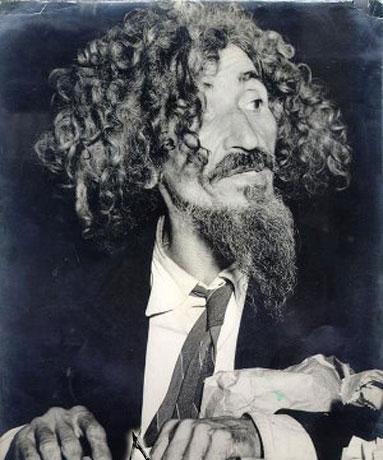
The style of the Gentleman of Paris was quite different. Of the most distinguished nobility, he strolled about in his black cape and carrying a briefcase of old papers, offering wildflowers and nineteenth-century compliments to the ladies he encountered on his daily walks. Although his claim to nobility as Emperor of the World was merely a product of his imagination, his simplicity and elegance of speech transformed him into a true monarch of the city.
Professor Collado, the one-man band, filled the streets of Havana with popular melodies. He played more than ten musical instruments simultaneously, performing works by the most significant composers of his time. He advertised his services in a very peculiar way, saying: “I provide music for dances; if you provide the horse, I’ll go to the countryside.”
Perhaps the only survivor of this rich tradition is Bigote ‘e Gato: “a great fellow who lives out in Luyanó.”
Of all of them, among hundreds of less famous street vendors, the one who received the honors of posterity was the Gentleman of Paris. Thanks to the exquisite sensibility of Eusebio Leal, the City Historian, he has a simple and endearing monument on Avenida de Paula, a work by the sculptor Villa.
There, Havana pays tribute to the man who, having come from other lands, dedicated his life, amidst dreams of grandeur, to offering flowers and beautiful words of praise to the ladies who, now great-grandmothers, thank him for his true nobility: that of the spirit.
Agencies/ ElPasadoPaso/ Enrique Núñez / Internet Photos/ Arnoldo Varona/ TheCubanHistory.com
THE CUBAN HISTORY, HOLLYWOOD.