

 EL CONJUNTO CASINO, UNA DE LAS AGRUPACIONES MAS POPULARES CUBANAS DE TODOS LOS TIEMPOS. VIDEOS / PHOTOS. * CONJUNTO CASINO, ONE OF THE MOST POPULAR CUBAN BANDS OF ALL TIME. VIDEOS / PHOTOS.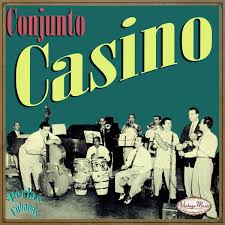
El Conjunto Casino fue una agrupación de música popular cubana que realizó una labor importante en las décadas de 1940 y 1950, encuadrado en la tradición de conjuntos en boga por esa época en Cuba.
El estilo del ‘Casino’,fueron los guarcheros del siglo,asentuando la rumba y la agresivida en su musica la orquesta casino se enmarca en la corriente más progresiva entre las agrupaciones soneras de su tipo en esta época. Junto al conjunto de Arsenio Rodríguez, representando la línea afrocubana, el conjunto Sonora Matancera, apegada a la guaracha y la rumba mulata, el ‘Casino’ conformó un patrón que siguieron muchas agrupaciones desde ese momento como el conjunto ‘Colonial’, el conjunto de Senén Suárez, el conjunto de Ernesto Grenet’, el ‘Kubakán’, el conjunto ‘Rumbavana’, entre otros.
CARRERA MUSICAL
El 28 de noviembre de ese año (1940) son contratados por el cabaret ‘Zombie Club’ de La Habana para inaugurar su show, alternando con la orquesta del Zombie dirigida por el pianista Adolfo Guzmán, y la orquesta del músico catalán Pedro Calonge. La primera trilogía vocal en los discos y el Zombie estuvo compuesta por Juan Fuentes (Bolita), Esteban Grau y Roberto Espí. Poco después, a comienzos de 1943, Nelo Sosa sustituye a ‘Bolita’.
Durante las presentaciones del ‘Casino’ en el ‘Zombie Club’ un amigo se encarga de presentarle a Espí a otro cantante de la localidad habanera de Regla: Roberto Faz. Desde ese primer encuentro trabarian amistad quedando pendiente la entrada de Faz al grupo para el regreso de un inminente viaje a México.
A pesar de que a partir de la inauguración de la televisión en Cuba en 1950 son contratados por la CMQ para actuar en el famosísimo ‘Show del mediodía’ y que su presencia en la CMQ Radio también fue cita obligada en el ‘Gran Show de la Mañana’, ‘Cumbanchoa’, entre otros de sus espacios estelares, además de los bailables públicos a lo largo y ancho de la isla, otros viajes se producirán durante los cuarenta y cincuenta: Puerto Rico, en 1945 y 1946; Venezuela en 1947; posteriormente y con regularidad visitarán el sur de los Estados Unidos: Miami, Tampa y Cayo Hueso; Nueva York en 1953; Antillas Holandesas en 1955; Panamá en 1956 y 1957, Santo Domingo en 1958, y Estados Unidos en octubre 1959.
Las voces de Roberto Faz y Roberto Espí, registradas en innumerables discos RCA Victor y Panart, entre 1944 y 1955 completaron trilogías con otros cantantes importantes como Agustín Ribot, Orlando Vallejo, Rolito Rodríguez, y Laíto Sureda. En enero de 1956 Roberto Faz se separa del ‘Casino’ y decide fundar su propio conjunto. Otros intérpretes comienzan a sumarse al ‘Casino’. Entre ellos: Fernando Alvarez, Felo Martínez, Orlando Reyes, René del Mar, Alberto Ruiz, Orlando Morales y Jesús Navarro, entre otros.
Entre 1956 y 1957 el conjunto ‘Casino’ abandona el sello Panart y vuelve a grabar para RCA Victor. De esta época queda un excelente ejemplar titulado ‘Vía Cuba’. Con el desarrollo que alcanza en Cuba la industria del disco en 1958 hay muy buena cantidad de sellos grabando y difundiendo la producción musical de la isla.
En 1958 graban para GEMA, en 1959 para el sello Ansonia y Rosell Records, en 1960 para Velvet, y en 1961 para el sello Maype, entre otros. Cuando toma el poder la Revolución en la isla todos estos sellos desaparecen y los espacios nocturnos comenzarán a languidecer hasta extinguirse completamente en 1968.
Roberto Espí continuaría al frente de este conjunto hasta 1974 cuando se retira de la música, completando una labor de poco más de treinta años al frente del conjunto ‘Casino’. Murió en La Habana el 14 de mayo de 1999.
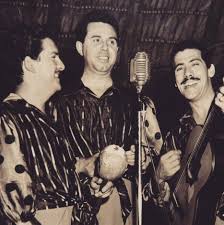

CONJUNTO CASINO, ONE OF THE MOST POPULAR CUBAN BANDS OF ALL TIME. VIDEOS / PHOTOS.
Conjunto Casino was a Cuban popular music group that performed important roles in the 1940s and 1950s, following the tradition of the groups popular at that time in Cuba.
Casino’s style was that of the guarcheros of the century, emphasizing rumba and aggressiveness in their music. The Casino orchestra was part of the most progressive movement among son groups of its kind at the time. Along with Arsenio Rodríguez’s group, representing the Afro-Cuban movement, and the Sonora Matancera group, which was attached to guaracha and rumba mulata, the “Casino” established a pattern followed by many groups from that time on, such as the “Colonial” group, Senén Suárez’s group, Ernesto Grenet’s group, the “Kubakán” group, the “Rumbavana” group, among others.
MUSICAL CAREER
On November 28 of that year (1940), they were hired by the “Zombie Club” cabaret in Havana to open their show, alternating with the Zombie orchestra, directed by pianist Adolfo Guzmán, and the orchestra of Catalan musician Pedro Calonge. The first vocal trilogy on the albums and the Zombie was composed of Juan Fuentes (Bolita), Esteban Grau, and Roberto Espí. Shortly after, in early 1943, Nelo Sosa replaced “Bolita.”
During the “Casino” performances at the “Zombie Club,” a friend introduced Espí to another singer from the Havana town of Regla: Roberto Faz. From that first meeting, they became friends, pending Faz’s entry into the group for their upcoming trip to Mexico.
Although, following the inauguration of television in Cuba in 1950, they were hired by CMQ to perform on the famous “Show del mediodía” (Midday Show), and their appearance on CMQ Radio was also a must-see on the “Gran Show de la Mañana” (Great Morning Show), “Cumbanchoa,” among other prime spots, in addition to public dance shows across the island, other trips would take place during the 1940s and 1950s: to Puerto Rico in 1945 and 1946; Venezuela in 1947; later, they would regularly visit the southern United States: Miami, Tampa, and Key West; New York in 1953; The Netherlands Antilles in 1955; Panama in 1956 and 1957; Santo Domingo in 1958; and the United States in October 1959.
The voices of Roberto Faz and Roberto Espí, recorded on countless RCA Victor and Panart records between 1944 and 1955, completed trilogies with other important singers such as Agustín Ribot, Orlando Vallejo, Rolito Rodríguez, and Laíto Sureda. In January 1956, Roberto Faz left Casino and decided to found his own group. Other performers began to join Casino. These included Fernando Alvarez, Felo Martínez, Orlando Reyes, René del Mar, Alberto Ruiz, Orlando Morales, and Jesús Navarro, among others.
Between 1956 and 1957, the Casino group left the Panart label and returned to recording for RCA Victor. An excellent album entitled “Vía Cuba” survives from this period. With the development of the Cuban record industry in 1958, a significant number of labels were recording and distributing the island’s musical production.
In 1958, they recorded for GEMA, in 1959 for Ansonia and Rosell Records, in 1960 for Velvet, and in 1961 for Maype, among others. When the Revolution took power on the island, all these labels disappeared, and nightclubs began to languish until they completely disappeared in 1968.
Roberto Espí continued to lead this group until 1974, when he retired from music, completing a career of just over thirty years leading the band “Casino.” He died in Havana on May 14, 1999.
EL CONJUNTO CASINO, UNO DE LAS AGRUPACIONES MAS POPULARES CUBANAS DE TODOS LOS TIEMPOS. VIDEOS / PHOTOS. * CONJUNTO CASINO, ONE OF THE MOST POPULAR CUBAN BANDS OF ALL TIME. VIDEOS / PHOTOS.
Agencies/ Wiki/ LaCasinoHist. / Extractos/ Excerpts/ Internet Photos/ YouTube/ Arnoldo Varona.
www.TheCubanHistory.com
THE CUBAN HISTORY, HOLLYWOOD.
