


 JOSÉ TEJEDOR, EL “CIEGO MARAVILLOSO”, CONOCIDO BOLERISTA CUBANO, UNA CARRERA CONTRA LA ADVERSIDAD. PHOTOS. * JOSÉ TEJEDOR, THE “WONDERFUL BLIND MAN”—A RENOWNED CUBAN BOLERO SINGER: A CAREER AGAINST ADVERSITY. PHOTOS.
JOSÉ TEJEDOR, EL “CIEGO MARAVILLOSO”, CONOCIDO BOLERISTA CUBANO, UNA CARRERA CONTRA LA ADVERSIDAD. PHOTOS.
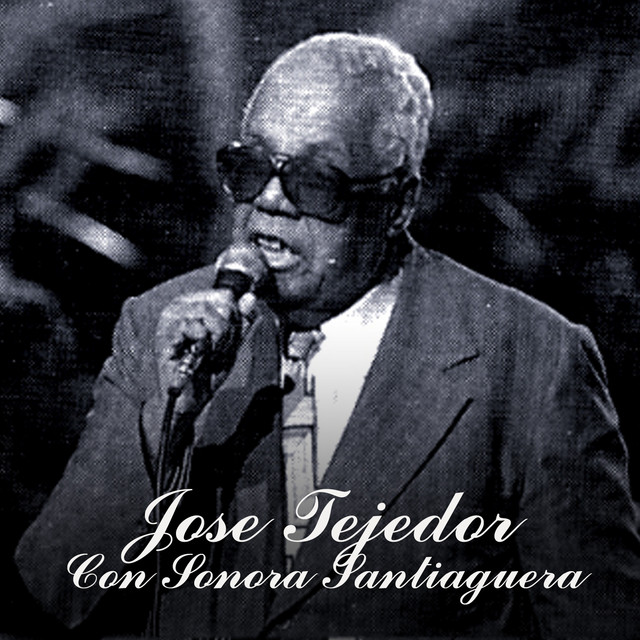
José Tejedor Sibate nacio en La habana, un 7 de agosto de 1922 y fue un compositor, guitarrista y cantante de boleros muy famoso en Cuba.
Tejedor comenzó su carrera haciendo presentaciones en su barrio, Santos Suárez; enfrentándose a los problemas que le traían el ser ciego, pobre y negro en una sociedad racista.
Comenzó a presentarse en 1937 en el programa de radio La Corte Suprema del Arte en la estación CMQ.
Fue de gran importancia para su carrera el conocer a Luis Oviedo Medero, con quien entablaría una amistad y haría numerosas colaboraciones musicales en las que Oviedo cantaba con voz de falsete.
José Tejedor apodado el “Ciego Maravilloso” nació en el barrio habanero de Santos Suarez. Avanzar en su carrera musical no le resultó algo sencillo a este maravilloso cantante, pese a su voz afinada, con un inolvidable tono cristalino.
Tejedor recorrió la ruta que realizan todos los soñadores que insisten en insertarse en el mundo del arte. Con un gran conocimiento y tesón, no se amilanó en ningún momento, y así presentó su calidad artística en “La Corte Suprema del Arte”. Este era un programa de la emisora radial CMQ, donde se forjaron grandes figuras del arte cubano. Sin embargo, Tejedor pasó por el programa sin pena ni gloria.
UNA CARRERA CONTRA LA ADVERSIDAD.
A Tejedor le esperaban días de luchas sin freno. En primer lugar estaba su condición de hombre ciego, pobre y negro dentro de una sociedad racista. Además, su imagen no le ayudaba. Su peso de 255 libras y su talla de seis pies y dos pulgadas, conspiraban en contra de su añorado y legítimo intento artístico.
Pero cosas buenas le esperan a los que perseveran. Así que el cantante encontró un camino para su inquietud creativa. Por una parte, estuvo su encuentro con Luis Oviedo Medero en 1959. También intentó grabar un disco. La tercera vía que intentó Tejedor fueron las presentaciones en showsy bailes, aunque muy pocas de estas fueron difundidas por televisión. En cuanto a Luis Oviedo, su voz de falsete se acoplaba con lo que iba cantando Tejedor, a una tercera o una sexta sobre la melodía principal. Oviedo conformaba con Tejedor un dueto que resultaba muy agradable de escuchar.
CARRERA ARTISTICA DE TEJEDOR.
La primera empresa discográfica que demostró un interés en José Tejedor fue Rosy, una pequeña disquera que, en el año 1959, realiza una grabación uniendo al cantante con el pianista y arreglista Javier Vázquez. Luego vino un contrato con Discuba, bajo cuyas siglas grabó un conjunto de piezas.
Las grabaciones que logró realizar José Tejedor se vendieron como pan caliente. Así que Discuba no perdió el tiempo y en 1960 editó un segundo LP titulado “Amor en trago – Tejedor y su grupo”, con un éxito similar al disco anterior. Esta grabación fue reeditada en formato de disco compacto en 1991.
Este ciego que cantaba maravillosamente, en especial los boleros morunos. Sus interpretaciones tuvieron un gran auge, por lo que la disquera “Areito” termina contratándolo para realizar un disco en compañía del conjunto de “Javier Vázquez”, titulado “Cuando estás muy sola”. Es importante aclarar que varios de los números en esta grabación fueron interpretados únicamente por José Tejedor, aunque en otros se hizo acompañar del encantador falsete de Luís Oviedo.
Las grabaciones de este intérprete magnífico con la disquera Areito fueron de un éxito rotundo. Ninguna empresa llegó a imprimir tantas grabaciones uniendo a dos cantantes que se hicieron del gusto de los seguidores del bolero, tal como lo fue este dúo de La Habana que hizo las delicias del público con sus melodías inolvidables.
José Tejedor Sibate y Luis Oviedo lograron mantenerse, por derecho propio y con el apoyo de sus admiradores, con una increíble estabilidad en las frecuencias de las radios cubanas. Muy especial fue el trato que les dio la emisora COCO, donde se escuchaban sus canciones casi a diario, dentro de l programación de “Favoritos de siempre”, espacio que se transmitía a las 11 y media de la mañana. Aún hoy, sus grabaciones siguen teniendo todo el brillo y la frescura que los caracterizaron por tantos años.
Hubo incluso una época en la que “Radio Marianao”, presentaba diariamente a José Tejedor, acompañado con su guitarra. En el momento de mayor auge las emisiones del trovador se hacían dos veces al día.
El 2 de noviembre de 1991 fallece en La Habana este bolerista, uno de los más queridos y recordados de Cuba. Poco tiempo después de la partida de José Tejedor Sibate, Luis Oviedo Medero, su compañero musical, se retiró para siempre de los escenarios.
El estilo de José Tejedor Sibate se matizó con una gran sensibilidad. No era comparable con nadie, y a pesar de su fama, se percibía como una persona amable, sencilla y afectuosa con todos quienes le rodeaban.

JOSÉ TEJEDOR, THE “WONDERFUL BLIND MAN”—A RENOWNED CUBAN BOLERO SINGER: A CAREER AGAINST ADVERSITY. PHOTOS.
José Tejedor Sibate was born in Havana on August 7, 1922; he was a composer, guitarist, and bolero singer who achieved great fame in Cuba.
Tejedor began his career performing in his neighborhood, Santos Suárez, where he faced the challenges inherent in being blind, poor, and Black in a racist society.
In 1937, he began performing on the radio program *La Corte Suprema del Arte* (The Supreme Court of Art), broadcast on the station CMQ.
A pivotal moment in his career was meeting Luis Oviedo Medero, with whom he would forge a friendship and undertake numerous musical collaborations—performances in which Oviedo sang in a falsetto voice.
José Tejedor, nicknamed the “Wonderful Blind Man,” was born in the Havana neighborhood of Santos Suárez. Advancing his musical career was no easy feat for this remarkable singer, despite his pitch-perfect voice and its unforgettable, crystalline tone.
Tejedor trod the path taken by all dreamers who are determined to break into the world of the arts. Possessing great skill and tenacity, he never allowed himself to be daunted; thus, he showcased his artistic talent on *La Corte Suprema del Arte*. This program, broadcast on the CMQ radio station, was the proving ground where many of the great figures of Cuban art were forged. However, Tejedor passed through the program without making any particular splash—neither with acclaim nor with disgrace.
Tejedor traveled the route that all dreamers who insist on inserting themselves into the art world take. With great knowledge and determination, he was not daunted at any time, and thus presented his artistic quality in “The Supreme Court of Art.” This was a program on the CMQ radio station, where great figures of Cuban art were forged. However, Tejedor went through the program without pain or glory.
A RACE AGAINST ADVERSITY.
Days of unbridled fighting awaited Tejedor. In the first place, there was his condition as a blind, poor, and black man in a racist society. Also, his image didn’t help him. His weight of 255 pounds and his height of six feet two inches, conspired against his longed for and legitimate artistic intent.
But good things await those who persevere. So the singer found a way for his creative restlessness. On the one hand, there was his meeting with Luis Oviedo Medero in 1959. He also tried to record an album. The third route that Tejedor tried was through shows and dances, although very few of these were broadcast on television. As for Luis Oviedo, his falsetto voice was coupled with what Tejedor was singing, a third or a sixth on the main melody. Oviedo made up a duet with Tejedor that was very pleasant to listen to.
ARTISTIC WEAVER CAREER.
The first record company that showed an interest in José Tejedor was Rosy, a small label that, in 1959, made a recording uniting the singer with the pianist and arranger Javier Vázquez. Then came a contract with Discuba, under whose initials he recorded a set of pieces.
The recordings that José Tejedor managed to make sold like hotcakes. So Discuba wasted no time and in 1960 released a second LP entitled “Amor en Trago – Tejedor y Su Grupo”, with similar success to the previous album. This recording was reissued in compact disc format in 1991.
This blind man who sang marvelously, especially the Moorish boleros. His performances had a great boom, so the record company “Areito” ended up hiring him to make a record in the company of the group of “Javier Vázquez”, entitled “When you are very alone.” It is important to clarify that several of the numbers in this recording were performed solely by José Tejedor, although in others he was accompanied by the charming falsetto of Luís Oviedo.
The recordings of this magnificent performer with the Areito record label were a resounding success. No company managed to print so many recordings uniting two singers who were liked by the followers of the bolero, as was this duo from Havana who delighted the public with their unforgettable melodies.
José Tejedor Sibate and Luis Oviedo managed to maintain, in their own right and with the support of their admirers, with incredible stability in the frequencies of Cuban radios. Very special was the treatment given to them by the COCO station, where their songs were listened to almost daily, within the program of “Always Favorites”, a space that was broadcast at 11:30 in the morning. Even today, their recordings still have all the brilliance and freshness that characterized them for so many years.
There was even a time when “Radio Marianao” featured José Tejedor daily, accompanied by his guitar. At the peak of its peak, the troubadour’s broadcasts were made twice a day.
On November 2, 1991, this bolero player, one of the most loved and remembered in Cuba, died in Havana. Shortly after the departure of José Tejedor Sibate, Luis Oviedo Medero, his musical partner, withdrew from the stage forever.
José Tejedor Sibate’s style was nuanced with great sensitivity. He was not comparable to anyone, and despite his fame, he perceived himself as a kind, simple, and affectionate person with all those around him.
Agencies/ TodoCuba/ Internet Photos/ YouTube/ Arnoldo Varona/ www.TheCubanHistory.com
THE CUBAN HISTORY, HOLLYWOOD.
