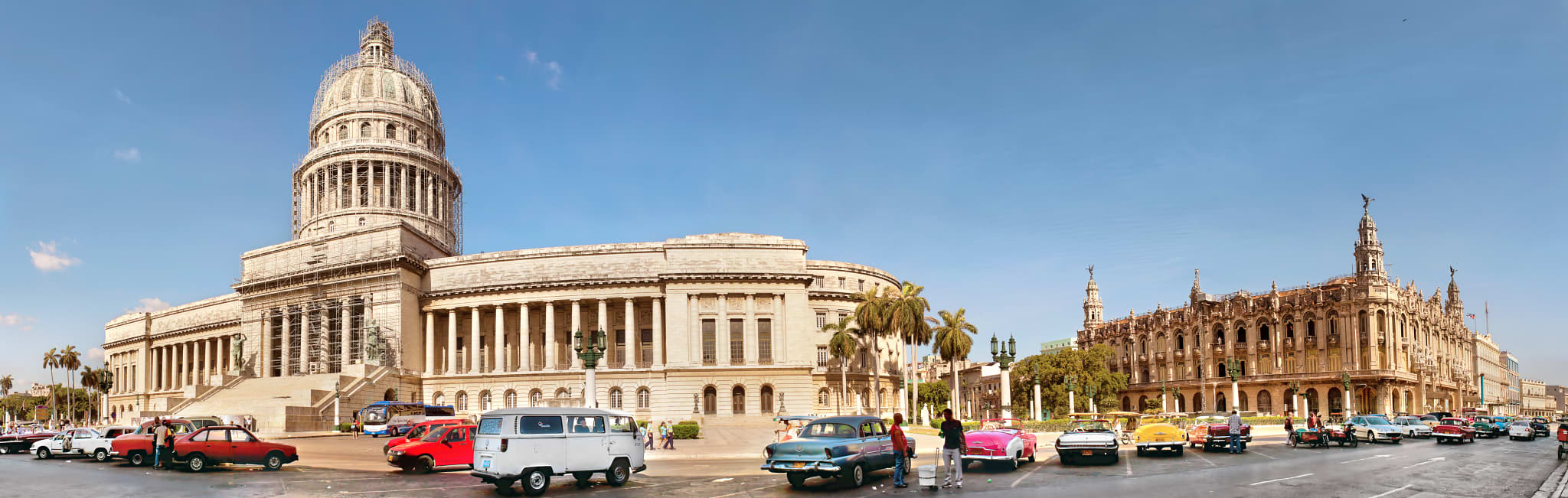
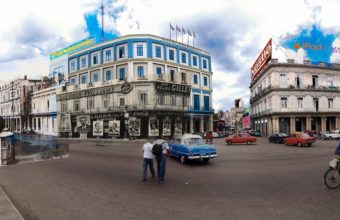
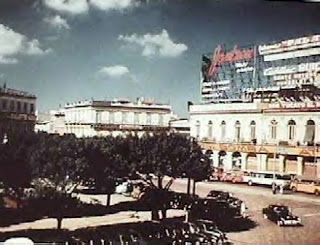
PRADO Y NEPTUNO, LA HABANA, CUBA, LA ESQUINA DEL CHA, CHA, CHA “LA ENGAÑADORA”. PHOTOS.
El chachachá es un vibrante género musical y bailable cubano que se originó a principios de la década de 1950, derivado del danzón-mambo. Popularizado por compositores como Enrique Jorrín y la Orquesta América, se convirtió en un clásico de los salones de baile, con un estilo distintivo, rítmico y animado de 31-32 BPM, a menudo asociado con el sonido del chachachá al arrastrar los pies.
El chachachá se impuso en el gusto de los cubanos y pronto puso a bailar a los latinoamericanos. Muchos fueron los nombres de este cadencioso ritmo que ocuparon los primeros lugares en el gusto popular.
Por ejemplo, “ La Engañadora” , de Enrique Jorrín, interpretada por la orquesta América, nació en un salón de baile que existía en la esquina de Prado y Neptuno en La Habana; “El Bodeguero” de Richard Egües, así como “Los Marcianos,” “El Tunel”, “Rico Vacilon” y muchos más.
LETRA DE LA SENSACIONAL “ENGAÑADORA”
A Prado y Neptuno
Iba una chiquita
Que todos los hombres
La tenían que mirar…
Otras orquestas lograron universalizar el chachachá como “La Aragón”, “Fajardo y sus Estrellas”, “Sensación” y en New York “Tito” Puente, Ray Cohen, se enamoraron también de este cubanísimo ritmo.
CARACTERÍSTICAS
Según Odilio Urfé, el chachachá era un género musical basado en el ritmo del danzón-mambo, pero con una concepción estructural diferente. Utilizaba elementos del chotis madrileño y un estilo vocal monódico. Tras “La Engañadora”, la estructura original de Urfé fue modificada considerablemente por Jorrín y otros compositores.
El musicólogo cubano Olavo Alén destaca la herencia que el chachachá recibió del danzón. Afirma que, en realidad, el chachachá parece ser un derivado del danzón. Mantiene una estructura muy similar a la del danzón, al tiempo que transforma los elementos melódicos y rítmicos utilizados en la composición de cada una de sus secciones. La función interpretativa de la flauta se conserva: su rol como solista y las características de su improvisación en el danzón reaparecen en el chachachá prácticamente sin alteraciones. Las melodías de los violines se alternan con las de la flauta y las voces de una manera que se estandarizó en el danzón y el danzonete.
El principal elemento que diferencia al chachachá del danzón es la célula rítmica que da nombre al género. También es significativo que el chachachá abandone los elementos del son que se incorporaron al danzonete y vuelva a la utilización estricta de elementos estilísticos que surgieron y se desarrollaron en el contexto del danzón.
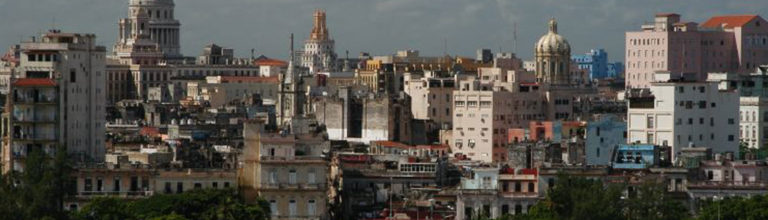
PRADO AND NEPTUNO, Havana, Cuba, the corner of Cha, Cha, Cha “LA ENGAÑADORA” (The Deceiver). Photos.
The cha-cha-cha is a vibrant Cuban musical and dance genre that originated in the early 1950s, derived from the danzón-mambo. Popularized by composers like Enrique Jorrín and Orquesta América, it became a dance hall classic, with a distinctive, rhythmic, and lively style of 31-32 BPM, often associated with the sound of shuffling feet.
The cha-cha-cha quickly became a favorite among Cubans and soon had Latin Americans dancing. Many names associated with this rhythmic beat reached the top of the charts.
For example, “La Engañadora” by Enrique Jorrín, performed by Orquesta América, was born in a dance hall that once stood on the corner of Prado and Neptuno in Havana. For example, “La Engañadora,” originated in a dance hall located at the corner of Prado and Neptuno in Havana. “La Engañadora” is a well-known song that laid the musical foundations for that Cuban rhythm. Interestingly, it also immortalized that Havana corner, once home to grand dance halls belonging to the Silver Star association, located at Prado and Neptuno.
LYRICS TO THE SENSATIONAL “ENGAÑADORA”
To Prado and Neptuno
Went a little girl
That all the men
Had to look at…
Other orchestras helped popularize the cha-cha-cha, such as “La Aragón,” “Fajardo y sus Estrellas,” and “Sensación.” In New York, Tito Puente and Ray Cohen also fell in love with this quintessentially Cuban rhythm.
CHARACTERISTICS
According to Odilio Urfé, cha-cha-chá was a musical genre that was based on the rhythm of danzón-mambo but with a different structural conception. It utilized elements of chotis madrileño and a monodic vocal style. After “La Engañadora”, Urfé’s original structure was greatly modified by Jorrín and other composers.
Cuban musicologist Olavo Alén emphasizes the inheritance that cha-cha-chá received from danzón. He says that actually, cha-cha-chá appears to be a derivative of danzón. It maintains a very similar structure to that of danzón, while transforming the melodic and rhythmic elements used in the composition of each of its sections. The interpretative function of the flute is retained: its role as a soloist, and the characteristics of its improvisation in danzón reappear in cha-cha-chá with hardly any alteration. The melodies of the violins alternate with those of the flute and the voices in a way that became standardized in danzón and danzonete.
The principal element that differentiates cha-cha-chá from danzón is the rhythmic cell that gives its name to the genre. It is also significant that cha-cha-chá abandons the elements from son that were incorporated into the danzonete, and returns to the strict utilization of stylistic elements that arose and were developed in the context of the danzón.

Agencies/ Enciclopedia/ Juan B. Rodríguez/ Internet Photos/ Arnoldo Varona/ www.TheCubanHistory.com
THE CUBAN HISTORY, HOLLYWOOD.