

 SIGUARAYA’, “EL ÁRBOL SAGRADO” ORISHA DE LA RELIGION YORUBA DE CUBA. PHOTOS. * THE SIGUARAYA, “THE SACRED TREE,” THE ORISHA OF THE YORUBA RELIGION OF CUBA. PHOTOS.
SIGUARAYA’, “EL ÁRBOL SAGRADO” EL ORISHA DE LA RELIGION YORUBA DE CUBA. PHOTOS.
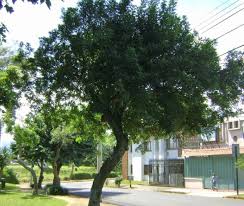
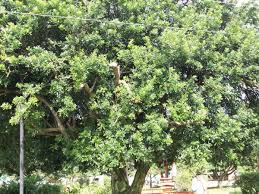
El ciruelillo, también conocida como siguaraya en Cuba y uruca en Costa Rica. Es un árbol silvestre muy común en Cuba y también habita en Colombia, México y Venezuela.
Se le puede localizar en las orillas de los arroyos, a lo largo de los caminos y cercas y también en los montes bajos desde los 700 metros de altitud hasta los 2500 m s. n. m. Florece de enero a marzo o quizás hasta el mismo abril.
Sus flores son de un color blanco verdoso y su néctar es muy intenso. Las abejas producen a partir de este néctar una miel oscura y de muy buena calidad.
EL DUENO DE LA SIGUARAYA
De acuerdo con la religión africana, el dueño de la siguaraya es Changó y es el primer palo del monte. Esta planta se utiliza para “abrir los caminos y la suerte de que quien la invoca pero los cierra para el enemigo” .
Benny Moré hizo popular la planta con el tema “Mata Siguaraya” en la cual se menciona “Esa mata es siguaraya que sin permiso no se puede tumbar.” “La siguaraya” es una de las canciones cubanas más conocidas y ha sido interpretada por diversos cantantes. Entre ellos destacan Oscar D’León y Celia Cruz.
Los santeros cubanos afirman que la Siguaraya contiene a los siete orishas principales de la religión Yoruba.
La Siguaraya, de nombre científico’Trichilia havanensis”, descubierta en 1759 por el botánico holandés Nikolaus Joseph von Jacquin, es un árbol de abundante follaje y flores blanco verdosas, que crece en Cuba y según la religión africana practicada en la isla caribeña, pertenece al orisha o deidad mayor conocido como Shangó.
Esa planta abre los caminos y la suerte de quienes la invocan, pero los cierra para el enemigo y en la crencia de los santeros posee siete potencias representadas por el culto yoruba en las figuras de Yemayá, Elegguá, Ochún Obatalá, Orúnla, Oggún y Changó, por cuya razón es considerado como el primer palo de monte.
Del néctar de las flores de la Siguaraya, las abejas producen una miel intensa y de alta calidad.
La Siguraya, localizada a orilla de rios y arroyos, a lo largo de los senderos y en las cercanías de los bosques de baja altura, florece entre enero y abril y es llamada también Siete Rayos, en referencia a Chango, dios del trueno y el fuego, llevado a través del sincretismo religioso a la imagen de la Santa Bárbara del catolicismo.
Esta planta silvestre a la cual se atribuyen poderes sobrenaturales, no es sólo patrimonio de los cubanos, porque además abunda en México, otras islas del caribe, en algunos países sudamericanos y en centroamérica, como es el caso de Costa Rica, donde se le conoce como Uruca y antiguamente anunciaba el inicio de las festividades navideñas.
Con el tema “Mata Siguaraya”, del compositor y pianista cubano Lino Frías, fallecido en Nueva York en 1983 y cantada magistralmente por Benny Moré, el árbol brujo ganó fama internacional y la canción ha sido interpretado por otros, pero ninguno hasta ahora logró la entonación y melodía imprimida por el inmortal “Bárbaro del Ritmo”.
SIGUARAYA, “THE SACRED TREE,” THE ORISHA OF THE YORUBA RELIGION OF CUBA. PHOTOS.
The ciruelillo, also known as siguaraya in Cuba and uruca in Costa Rica, is a wild tree very common in Cuba and also found in Colombia, Mexico, and Venezuela.
It can be found on the banks of streams, along roads and fences, and in low mountains from 700 meters to 2500 meters above sea level. It flowers from January to March, or perhaps even into April.
Its flowers are a greenish-white color, and its nectar is very intense. Bees produce a dark, high-quality honey from this nectar.
THE OWNER OF THE SIGUARAYA
According to the African religion, the owner of the siguaraya is Changó, and it is considered the most powerful tree in the forest. This plant is used to “open the paths and bring good fortune to those who invoke it, but closes them for the enemy.”
Benny Moré popularized the plant with the song “Mata Siguaraya,” which includes the line, “That tree is siguaraya, and you can’t cut it down without permission.” “La Siguaraya” is one of the best-known Cuban songs and has been performed by various singers, including Oscar D’León and Celia Cruz.
Cuban Santeria practitioners claim that the Siguaraya embodies the seven principal orishas of the Yoruba religion. The Siguaraya, scientifically known as Trichilia havanensis, discovered in 1759 by the Dutch botanist Nikolaus Joseph von Jacquin, is a tree with abundant foliage and greenish-white flowers, which grows in Cuba. According to the African religion practiced on the Caribbean island, it belongs to the orisha or major deity known as Shangó.
This plant opens paths and brings good fortune to those who invoke it, but closes them for enemies. In the belief of the Santería practitioners, it possesses seven powers represented by the Yoruba deities Yemayá, Elegguá, Ochún, Obatalá, Orúnla, Oggún, and Shangó, which is why it is considered the most powerful of all trees used in religious rituals.
From the nectar of the Siguaraya flowers, bees produce an intense and high-quality honey.
The Siguaraya, found along the banks of rivers and streams, along trails, and near low-lying forests, blooms between January and April and is also called Siete Rayos (Seven Rays), in reference to Shangó, the god of thunder and fire, who, through religious syncretism, is associated with Saint Barbara in Catholicism.
This wild plant, to which supernatural powers are attributed, is not only a part of Cuban heritage, but also abounds in Mexico, other Caribbean islands, some South American countries, and Central America, such as Costa Rica, where it is known as Uruca and formerly announced the beginning of the Christmas festivities.
With the song “Mata Siguaraya,” by the Cuban composer and pianist Lino Frías, who died in New York in 1983, and masterfully sung by Benny Moré, the magical tree gained international fame, and the song has been interpreted by others, but none have yet achieved the intonation and melody imprinted by the immortal “Barbarian of Rhythm.”
Agencies/ Wiki/ Arrajatabla/Alberto Denis/Internet Photos/ Arnoldo Varona/ TheCubanHistory.com
THE CUBAN HISTORY, HOLLYWOOD.
