 LA INCREÍBLE FAUNA CUBANA (Vida silvestre). CURIOSIDADES. PHOTOS. * THE INCREDIBLY CUBAN FAUNA (Wildlife). CURIOSITIES. PHOTOS.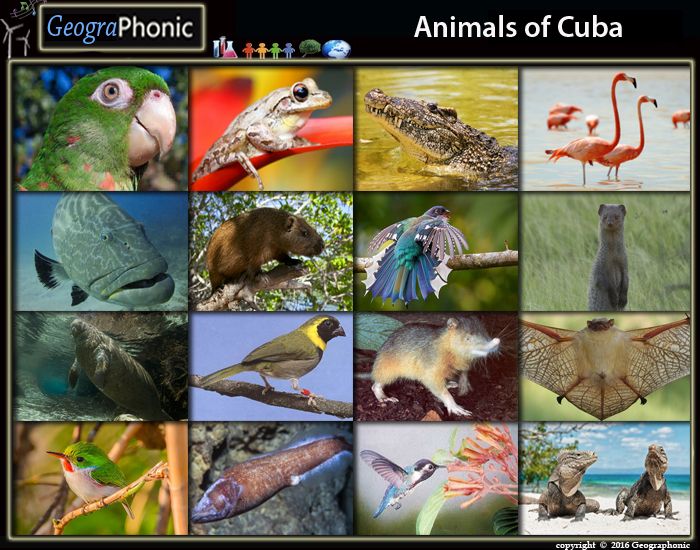
LA INCREÍBLE FAUNA CUBANA (Vida silvestre). CURIOSIDADES. PHOTOS.
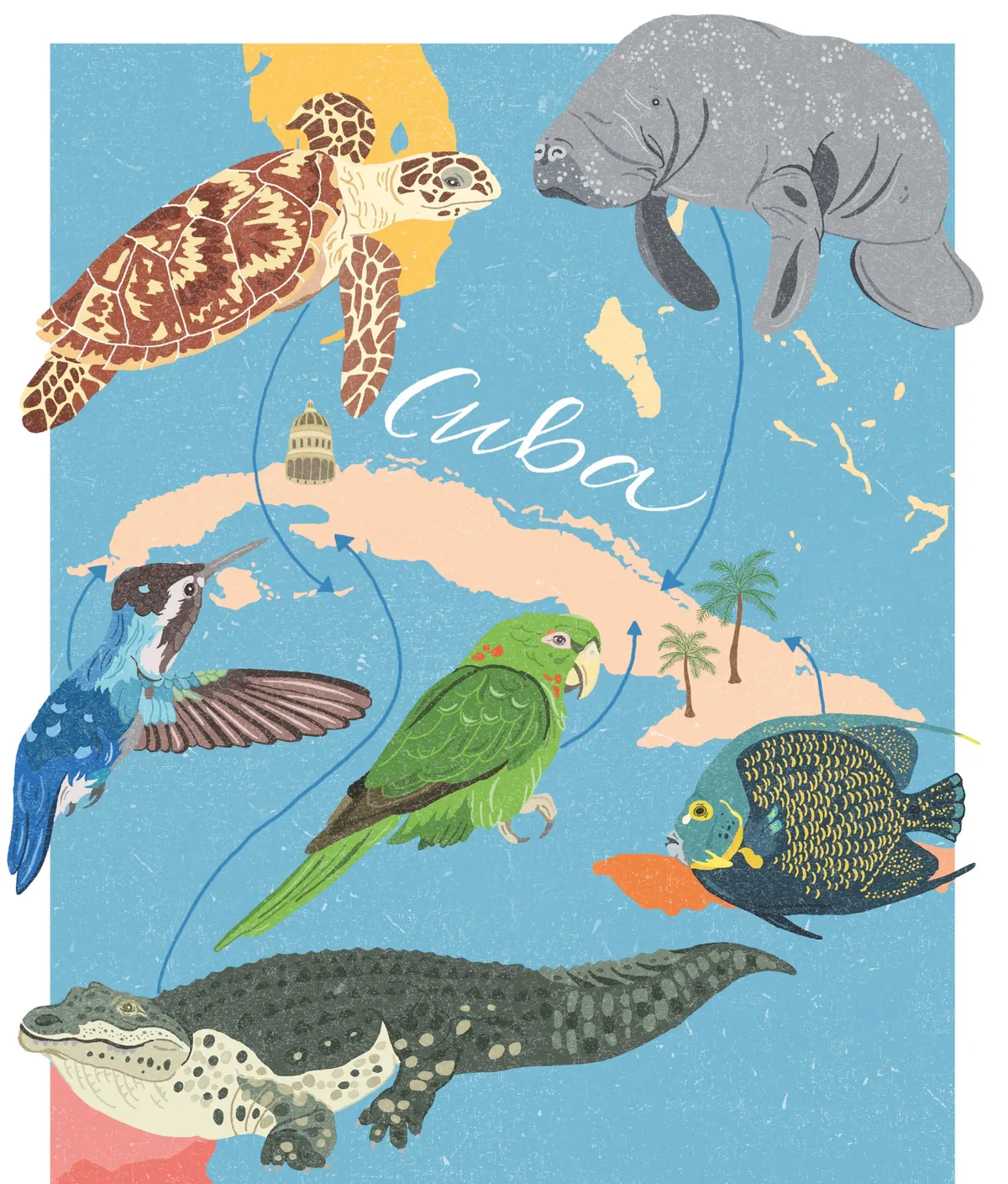
La fauna de Cuba es increíblemente diversa y rica en especies endémicas, que han evolucionado en aislamiento para crear una vida silvestre única, como el ave más pequeña del mundo (colibrí abeja), el vibrante trogón cubano (ave nacional), los cocodrilos cubanos en la Ciénaga de Zapata e interesantes reptiles como anolis e iguanas, junto con vida marina como tortugas carey y manatíes, lo que la convierte en un punto clave de biodiversidad con importantes áreas protegidas para su conservación.
FAUNA CUBANA. CURIOSIDADES
En Cuba existen más de 14.000 especies de animales.
De hecho, se conocen más de 14.000 especies de la fauna cubana, aunque las que solemos ver en la vida cotidiana son importadas.
En Cuba vive el ave más pequeña del mundo, el colibrí abeja o pájaro mosca.
El colibrí (Mellisuga helenae) es el ave más pequeña del mundo, mide alrededor de 6 cm de largo y pesa un promedio máximo de aproximadamente 2 gramos. Solo vive en Cuba.
En Cuba vive el anfibio más pequeño del mundo.
Es la rana o sapo pigmeo (Sminthillus limbatus) que mide menos de 12 mm de largo.
En Cuba vive el mamífero más pequeño del mundo, considerado el murciélago.
Nystiellus lepidus es el murciélago mariposa, que pesa solo 2,3 g y mide alrededor de 3 cm.
El almiquí, en peligro de extinción, tiene saliva venenosa.
De hecho, el almiquí (Solenodon cubanus) tiene como característica una saliva venenosa, propia de mamíferos fósiles. Se pensaba que se había extinguido a finales del siglo XIX, pero no se volvió a ver hasta 1974 y 1975, cuando se capturaron 3 almiquíes.
Existe evidencia de que vivieron monos en Cuba.
El Paralouatta varonai, considerado el mayor de los monos antillanos, solo vivió en Cuba, como lo demuestran los hallazgos arqueológicos. Se desconoce cuándo desapareció.
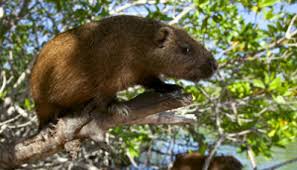
En nuestro país habitan 13 especies de jutías, algunas de las cuales viven solo en ciertos cayos.
Se han descrito 13 variedades de jutías en Cuba, algunas con un hábitat muy restringido, lo que las pone en peligro. La jutía de Cabrera solo vive en Cayo Ana María, la jutía de Cayo Maja en Cayo Garrido, la rata y el conejillo de indias en Cayo Fragoso y la jutía de San Felipe en Cayo Juan García.
La jutía de sierra es la más pequeña de todas las especies del género Capromys en el mundo.
Dentro del género al que pertenecen las jutías, el representante más pequeño es el conejillo de indias enano; solo Capromys nana vive en Cuba.
Se ha descubierto que en Viñales vive la especie de molusco más antigua del mundo.
Se trata de Viana regina calcifolio, que vive adherida a las colinas y rocas calizas y se alimenta de los hongos que crecen en ellas.
El manjuarí es considerado un pez fósil viviente, con cuerpo y cabeza de reptil.
El manjuarí, Atractosteus tristoechus, es un pez de características especiales; tiene cuerpo de pez y cabeza similar a la de los reptiles, su carne es comestible, pero sus huevos son venenosos.
THE INCREDIBLY CUBAN FAUNA (Wildlife). CURIOSITIES. PHOTOS.
Cuba’s fauna is incredibly diverse and rich in endemic species, evolving in isolation to create unique wildlife like the world’s smallest bird (Bee Hummingbird), the vibrant Cuban Trogon (national bird), Cuban Crocodiles in Zapata Swamp, and interesting reptiles like anoles and iguanas, alongside marine life such as Hawksbill turtles and manatees, making it a biodiversity hotspot with significant protected areas for conservation.
CUBAN FAUNA
In Cuba there are more than 14,000 species of animals.
Indeed , more than 14,000 Cuban fauna species are known, although the ones we usually see in daily life are imported.
In Cuba Live the world’s smallest bird, the bee hummingbird or bird fly .download .
The hummingbird ( Mellisuga elenae ) is the smallest bird in the world and is about 6 cm in length and weighs a maximum average about 2 grams . Only live in Cuba .
In Cuba the smallest living amphibian world .
It is the pygmy frog or toad ( Sminthillus limbatus ) measuring less than 12 mm in length.
Cuba lives in the smallest of the world while the lower mammals is considered bat.
Nystiellus lepidus is the butterfly or bat , which weighs just 2.3 g measures about 3 cms.
The almiquí , nearing extinction , has poisonous saliva.download.
Indeed, almiquí ( solenodon cubanus ) has as a characteristic of a poisonous spit fossil mammals. They thought it was extinct in the late nineteenth century but was not seen until 1974 and 1975 when 3 almiquies were captured.
There is evidence that monkeys lived in Cuba .
The varonai paralouatta considered the greatest of the Antillean monkeys only lived in Cuba as demonstrated by archaeological finds. It is unknown when he disappeared.
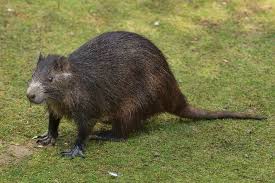
In our country 13 species inhabit jutía some of which live only in certain keys.
Described 13 varieties jutías in Cuba , some with a very restricted habitat endangers what . The cabrera jutía only lives in the Cayo Ana María , Cayo Maja ‘s garrido , rat and guinea pig in the Cayo Fragoso sanfelipensis in Cayo Juan Garcia.
Saw jutía is the smallest of all the capromydes kind in the world .
Within the genus to which they belong capromydes the jutías representative is the smallest dwarf guinea pig, only capromydes nana lives in Cuba .
It has been found that the species lives Viñales world’s oldest shellfish.
This is the Viana regina calcifolio living or attached to the limestone hills and rocks to feed the fungus thereof.
The manjuarí is considered a living fossil fish has body and reptilian head .
The manjuarí , Atractosteus tristoechus , is a fish special features , is similar to reptiles and fish head body , his flesh is edible, but their eggs are poisonous.

Agencies/ MyCountry / CuriosidadesFauna / Internet Photos / www.TheCubanHistory.com/ Arnoldo Varona.
THE CUBAN HISTORY, HOLLYWOOD.