ASÍ DICE LA CANCIÓN: “MAMA YO QUIERO SABER DE DONDE SON LOS CANTANTES… VIDEOS/ PHOTOS. * AS THE SONG GOES: “MAMA, I WANT TO KNOW, WHERE ARE THE SINGERS FROM…” VIDEOS/ PHOTOS.

ASÍ DICE LA CANCIÓN: “MAMA YO QUIERO SABER, DE DONDE SON LOS CANTANTES…” VIDEOS/ PHOTOS.

La frase es referencia a una canción famosa que pregunta sobre el origen de los cantantes y contesta que son de la loma.

“¿De dónde son los cantantes?” es el comienzo de una canción cubana llamada “Son de la Loma”, esta canción incluye la respuesta “son de la loma y cantan en llano”.

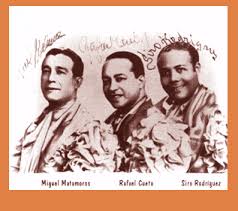
La pregunta de nuestro título es una estrofa que ha recorrido el mundo en voces de músicos cubanos y foráneos, ha devenido dicho popular y título de libros. Es la del famoso “Son de la loma”, compuesto por Miguel Matamoros, allá por el año 1922. Matamoros. Guitarrista y compositor.

De formación autodidacta, Matamoros, de talento natural, incursionó en casi todos los géneros y ritmos de la música popular cubana. A lo largo de su vida artística disfrutó de popularidad y fama. Muchos de sus temas se consideran verdaderos clásicos que han sido versionados por numerosas estrellas de la música cubana e internacional.

Pero resulta curioso que la interrogante no surgió del célebre trovador, sino de una niña pequeña que asistió a una de sus serenatas. Esta es la historia real del son más popular de Matamoros.

No había creado todavía el Trío con el que viajó a La Habana dos años más tarde y hacía un dúo ocasional con su pariente Alfonso del Río. En una noche de parranda fueron a cantarle a una amiga que cumplía años.


Los sorprendió la madrugada en plena serenata, cantando en una casa de la calle Trocha esquina a San Pedro, por supuesto, en Santiago de Cuba. Aquel auditorio casual y extasiado no quería despedir a los buenos trovadores y en el silencio de la noche la voz potente de Miguel, unida a las bien timbradas cuerdas de su guitarra, se proyectaban con fuerza por las casas vecinas. Tanto que despertaron a una niña en la vivienda del al lado, quien le pidió a su mamá que la llevara a escuchar las canciones. La madre no se hizo de rogar, y fueron las dos a disfrutar de aquellas prodigiosas voces que repartían guarachas y boleros.

La nena, curiosa preguntó: Mamá, ¿de dónde son los cantantes? Y entonces Miguel, le contestó entonando: Son de la loma y cantan en llano… Alfonso del Río, haciéndole la voz segunda, y a manera de estribillo, improvisó: Mamá ¿de dónde son los cantantes?

Y así los presentes comenzaron a cantar: Son de la loma y cantan en llano.


Entonces Miguel continuó:


Mamá yo quiero saber
De dónde son los cantantes
Que los encuentro muy galantes
y los quiero conocer
con sus trovas fascinantes
que me las quiero aprender.

Así, por la curiosidad de un chiquilla somnolienta, nació uno de los sones cubanos más famosos y también el más célebre de todos los que compuso el genial Miguel Matamoros.

AS THE SONG GOES: “MAMA, I WANT TO KNOW, WHERE ARE THE SINGERS FROM…” VIDEOS/ PHOTOS.

The phrase seems to be a reference to a famous song that asks about the origin of singers and answers that they are from the hills.

“Where are the singers from?” is the beginning of a Cuban song called “Son de la Loma.” This song includes the answer “they are from the hills and sing in the plains.”

The question in our title is a verse that has traveled the world in the voices of Cuban and foreign musicians, becoming a popular saying and the title of books. It is from the famous “Son de la Loma,” composed by Miguel Matamoros around 1922. Matamoros was a guitarist and composer.

Self-taught, naturally talented Matamoros explored almost all genres and rhythms of Cuban popular music. Throughout his artistic life, he enjoyed popularity and fame. Many of his songs are considered true classics, covered by numerous Cuban and international music stars.

But curiously, the question didn’t come from the celebrated troubadour himself, but from a little girl who attended one of his serenades. This is the true story of Matamoros’s most popular son.

He hadn’t yet formed the Trio with which he would travel to Havana two years later, and he occasionally performed as a duo with his relative, Alfonso del Río. One night, out partying, they went to sing to a friend who was celebrating her birthday.

Dawn broke as they were serenading, singing in a house on the corner of Trocha and San Pedro streets, in Santiago de Cuba, of course. That casual, ecstatic audience didn’t want to say goodbye to the talented troubadours, and in the silence of the night, Miguel’s powerful voice, accompanied by the rich, resonant strings of his guitar, carried strongly through the neighboring houses. They were so loud that they woke up a little girl in the house next door, who asked her mother to take her to hear the songs. The mother readily agreed, and the two of them went to enjoy those prodigious voices singing guarachas and boleros.

The curious little girl asked, “Mommy, where are the singers from?” And then Miguel answered, singing: “They’re from the hills and they sing on the plains…” Alfonso del Río, singing second voice, improvised a refrain: “Mommy, where are the singers from?”

And so the audience began to sing: They are from the hill and sing on the plain.

Then Miguel continued:

Mom, I want to know
Where are the singers from
That I find them very gallant
and I want to meet you
with its fascinating trovas
I want to learn them.

Thus, due to the curiosity of a sleepy little girl, one of the most famous Cuban sones was born and also the most famous of all the ones composed by the great Miguel Matamoros.


Agencies/ Radio Cadena Habana/ L.Guerra/ EcuRed/ Internet Photos/ Arnoldo Varona/ www.TheCubanHistory.com
THE CUBAN HISTORY, HOLLYWOOD.

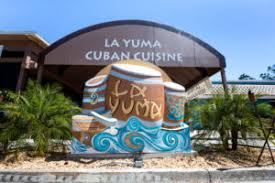
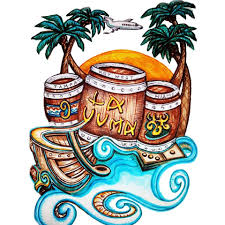
PORQUE LOS CUBANOS LE DICEN A LOS ESTADOS UNIDOS “LA YUMA”?. PHOTOS. * WHY THE CUBANS CALL THE UNITED STATES “LA YUMA”.? PHOTOS.

PORQUE A LOS ESTADOS UNIDOS LOS CUBANOS LE DICEN “LA YUMA”?. PHOTOS.

«La Yuma» es un término coloquial cubano para referirse a Estados Unidos, a menudo usado para aludir a estadounidenses u otros extranjeros de países no hispanohablantes.

Entre las respuesta a esta pregunta: El nombre probablemente se originó en la película del oeste de 1957 «3:10 to Yuma» o quizás por una mala pronunciación de «United States» (Estados Unidos).

Si bien generalmente no se usa con la intención de ofender, el término puede tener connotaciones negativas y no aparece en los diccionarios oficiales cubanos.

RESPUESTAS DIVERSAS

¿De dónde salió la relación entre “Yuma” y Estados Unidos para los cubanos?. El estribillo de un reggaetón popular en Cuba, del desaparecido grupo Calle 35, dice: “Yunai, yunai, a ti te gustan los ‘yuma’”, y una voz femenina responde: “Aaaaaaaa, a mí me gustan los ‘yuma’”.

Pero esta palabra no solo se escucha en las pistas de baile.

En Cuba es común que alguien diga que “fulana de tal se casó con un ‘yuma’ (estadounidense)” o que “fulano se fue a ‘la Yuma’ (Estados Unidos)”, por ejemplo.

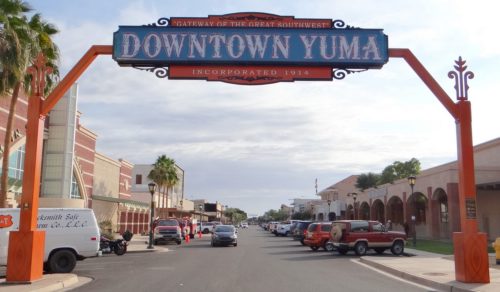
Pero Yuma es originalmente el nombre de una de las ciudades más soleadas del planeta, ubicada en el desierto de Sonora, en Arizona, EE.UU., cerca de la frontera con México. Yuma también se llama un fuerte de la comunidad indígena Quechán que queda entre los estados de Arizona y Colorado.

¿Cómo pasó el nombre de una localidad de unas 90.000 personas y de una reserva indígena a referirse a un país entero?

Sus Usos.

Hay varias circunstancias que explican cómo la palabra viajó a la isla caribeña y cambió su significado. Para conocerlas, BBC Mundo buscó a un bloguero estadounidense que en redes sociales se hace llamar, precisamente, “El Yuma”.

Pero antes de llegar a lo que se cree que es el origen, el experto llama la atención sobre la pronunciación cubana del español, que es clave en esta historia.

“YUNAI”

Como “Estados Unidos” es muy largo de decir, los cubanos extendieron el uso de la jerga “yunai”, derivada del “United”, que puede ser tanto por el nombre del país en inglés (“United States”) o de “United Fruit Company”, la compañía bananera estadounidense que en Cuba operó hasta la revolución de 1959. Pero, el vocablo “yunai” ya existía desde al menos los años 50, según expertos citados por el portal de noticias Slate.

Algunas teorías sostienen, por lo tanto, que “yuma” proviene de “yunai”, pero según especialistas, este término no fue el antecedente directo. El origen más evidente, dice, es una película de 1957: el western llamado “3:10 to Yuma” (“El tren de las 3:10 a Yuma”), de Delmer Daves.

..Los westerns son un tipo icónico de películas estadounidenses, por lo que era fácil que en Cuba una de estas cintas sirviera para identificar a todo el país. En 2007, Christian Bale y Russell Crowe protagonizaron el remake de “3:10 to Yuma”. “Hasta donde sé, el uso de ‘yuma’ se debe única y exclusivamente al título de la película”, dice a BBC Mundo.

“Es una manera de englobar a EE.UU. con el oeste, que es el lugar de la fuerza, de la libertad, de los solitarios”, según los expertos.

La similitud de “yuma” con “yunai” pudo haber ayudado a reforzar el uso del nombre del filme, así como la tendencia a usar nombres con “y” que los cubanos mostraron más tarde.

La llamada “Generación Y”, nacida entre los años 70 y 80, agrupa a personas con nombres como Yordanis, Yoani, Yurisleydis o Yotuel.

“Fue como decir: ‘Tenemos nuestra propia forma de hablar. (Los estadounidenses) no son yanquis (como los llamaba Fidel Castro), no son gringos, son ‘yumas’”, opina Henken, profesor del Departamento de Estudios Negros y Latinos del Baruch College de la Universidad de la Ciudad de Nueva York (CUNY).. Y agrega que los cubanos sonríen cuando les dice que su blog o su cuenta de Twitter se llaman “El Yuma”.

Es común escuchar la palabra “yuma” en las conversaciones diarias de los cubanos. “Creo que les gusta porque no es algo que diría el gobierno, no tiene carga política, sino que es algo de la calle, de la gente”, dice Henken.


WHY THE CUBANS CALL THE UNITED STATES “LA YUMA”.? PHOTOS.

Where did the relationship between “Yuma” and the United States for Cubans come from? The refrain of a popular reggaetón in Cuba, of the disappeared Calle 35 group, says: “Yunai, yunai, you like the ‘yuma’”, and a female voice responds: “Aaaaaaaa, I like the ‘yuma’” .

But this word is not only heard on dance floors.

In Cuba it is common for someone to say that “so-and-so was married to a ‘yuma’ (American)” or that “so-and-so went to ‘the Yuma’ (United States),” for example.

But Yuma is originally the name of one of the sunniest cities on the planet, located in the Sonoran Desert, Arizona, USA, near the Mexican border. Yuma is also called a fort of the Quechán indigenous community that lies between the states of Arizona and Colorado.

How did the name of a locality of about 90,000 people and an indigenous reservation refer to a whole country?

Its Uses .

There are several circumstances that explain how the word traveled to the Caribbean island and changed its meaning. To get to know them, BBC Mundo looked for an American blogger who in social networks calls himself, precisely, “El Yuma”.

But before arriving at what is believed to be the origin, the expert calls attention to the Cuban pronunciation of Spanish, which is key in this story.

“YUNAI”

As “United States” is very long to say, the Cubans extended the use of the jargon “yunai”, derived from the “United”, which can be either the name of the country in English (“United States”) or “United” Fruit Company “, the American banana company that operated in Cuba until the 1959 revolution. But, the word” yunai “already existed since at least the 1950s, according to experts quoted by the Slate news portal.

Some theories maintain, therefore, that “yuma” comes from “yunai”, but according to specialists, this term was not the direct antecedent. The most obvious origin, he says, is a 1957 film: the western called “3:10 to Yuma” (“The train at 3:10 to Yuma”), by Delmer Daves.

..Westerns are an iconic type of American films, so it was easy for one of these tapes in Cuba to identify the whole country. In 2007, Christian Bale and Russell Crowe starred in the remake of “3:10 to Yuma.” “As far as I know, the use of ‘yuma’ is due solely and exclusively to the title of the film,” he tells BBC Mundo.


“It is a way of encompassing the US with the west, which is the place of strength, of freedom, of the lonely,” according to experts. The similarity of “yuma” with “yunai” may have helped to reinforce the use of the name of the film, as well as the tendency to use names with “and” that the Cubans showed later.

The so-called “Generation Y”, born between the 70s and 80s, groups people with names like Yordanis, Yoani, Yurisleydis or Yotuel.

“It was like saying: ‘We have our own way of speaking (Americans) are not Yanks (as Fidel Castro used to call them), they are not gringos, they are’ yumas, ‘” says Henken, a professor in the Department of Black and Latino Studies Baruch College of the University of the City of New York (CUNY) .. And he adds that Cubans smile when he tells them that his blog or his Twitter account is called “El Yuma”.

It is common to hear the word “yuma” in the daily conversations of Cubans. “I think they like it because it’s not something that the government would say, it has no political burden, but it’s something from the street, from the people,” says Henken.


Agencies/ BBC Mundo/ Hay Festival Cartagena/ Pierina Pighi Bel/ Excerpt/ Internet Photos/ Arnoldo Varona/ www.TheCubanHistory.com
THE CUBAN HISTORY, HOLLYWOOD.
AUMENTA EE.UU. LAS OPERACIONES CONTRA EL NARCOTRAFICO DE VENEZUELA CON EL DESPLIEGUE DE AVIONES F-35B BAJO EL COMANDO SUR. PHOTOS. * US STEPS UP OPERATIONS AGAINST VENEZUELAN DRUG TRAFFICKING WITH THE DEPLOYMENT OF F-35B AIRCRAFT UNDER SOUTHERN COMMAND. PHOTOS.

AUMENTA EE.UU. LAS OPERACIONES CONTRA EL NARCOTRAFICO DE VENEZUELA CON EL DESPLIEGUE DE AVIONES F-35B BAJO EL COMANDO SUR. PHOTOS.

EE.UU. despliega F-35B en el Caribe bajo el Comando Sur para combatir el narcotráfico. La administración Trump intensifica ataques contra cárteles, generando críticas por acciones militares sin aprobación del Congreso.


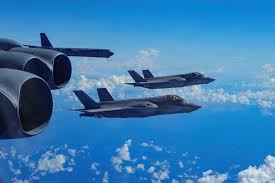
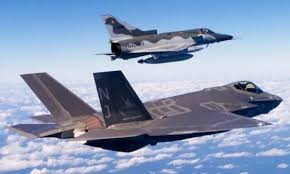
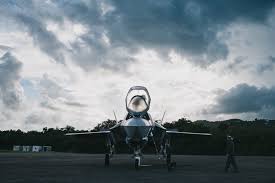
WASHINGTON- EE.UU. anunció el despliegue en vuelos rutinarios Aviones F-35B Lightning II en el Caribe como parte de las operaciones contra el narcotráfico bajo el mando del Comando Sur.

“Aviones F-35B Lightning II del Cuerpo de Marines de EE. UU. realizan operaciones de vuelo rutinarias en el área de responsabilidad del Comando Sur. Las fuerzas militares estadounidenses están desplegadas en el Caribe en apoyo de la misión del Comando Sur, las operaciones dirigidas por el Departamento de Guerra y las prioridades del Presidente para desarticular el narcotráfico y proteger la patria”, se lee en un tuit este sábado del Comando Sur.


El gobierno de Trump ha intensificado desde su regreso a la Casa Blanca una estrategia de fuerza directa contra el narcotráfico, autorizando acciones militares sin aprobación del Congreso.

Dos presuntos narcotraficantes murieron el pasado martes tras un ataque militar estadounidense contra una embarcación sospechosa de transportar drogas en el Pacífico Oriental.

El ataque, descrito como “cinético y letal”, se llevó a cabo en aguas internacionales y no dejó bajas entre las fuerzas estadounidenses.

DECLARACIONES DE LA CASA BLANCA

El propio presidente aseguró recientemente que no pedirá una declaración formal de guerra contra los cárteles, considerados por su administración como organizaciones terroristas extranjeras.

“Simplemente vamos a matar a quienes introduzcan drogas en nuestro país”, dijo Trump el mes pasado durante una mesa redonda sobre seguridad nacional.

El ataque del martes fue al menos el decimosexto contra embarcaciones sospechosas de narcotráfico en el Caribe y el Pacífico desde enero, con un saldo estimado de 66 muertos.


Organizaciones de derechos humanos, como la Unión Estadounidense por las Libertades Civiles (ACLU) y el Centro para los Derechos Constitucionales, han cuestionado la legalidad de estos ataques.

Pese a las críticas, la administración Trump ha reiterado que proteger la patria y eliminar la amenaza de los cárteles seguirá siendo “la máxima prioridad nacional”.

Tensión de EE. UU. con Venezuela

El miércoles, Trump dijo que los bombardeos contra “cárteles terroristas” no se limitan únicamente a Venezuela y que existen otros países involucrados en las operaciones militares que su Gobierno desarrolla en el Caribe y el Pacífico.


El mandatario realizó estas declaraciones durante su intervención en el America Business Forum (ABF) en Miami, donde subrayó que los ataques están dirigidos contra estructuras criminales ligadas al régimen de Nicolás Maduro.

“Estamos estallando cárteles terroristas y estamos reventándolos, ligados al régimen de Maduro en Venezuela y otros. Miren, no es solo Venezuela, pero un montón de cosas están viniendo”, expresó el presidente estadounidense.

Las declaraciones se producen mientras su Gobierno evalúa posibles ataques a objetivos militares dentro de Venezuela.


Al mismo tiempo, NBC, citado por EFE, reportó que la administración de Trump estudia acciones similares contra cárteles mexicanos.

Durante su discurso, el presidente insistió en que su política busca “liberar las ciudades del crimen violento” y reforzar la seguridad nacional.

“Venezuela vació sus prisiones dentro de nuestro país. Nadie quiere eso. Estamos haciendo nuestro país seguro y hermoso de nuevo”, afirmó.


Trump también señaló que su administración ha intensificado las deportaciones de pandilleros del MS-13 y del grupo venezolano Tren de Aragua, a quienes calificó de “criminales peligrosos”.

“Estas son personas malas. Las estamos sacando fuera del país, de vuelta a donde vinieron. Renombramos el Departamento de Defensa como Departamento de Guerra”, añadió.

Antes de la intervención del mandatario, la opositora venezolana y Premio Nobel de la Paz de 2025, María Corina Machado, respaldó públicamente la estrategia de Trump.


En un mensaje virtual, afirmó que “Maduro empezó esta guerra y el presidente Trump la está terminando”, y calificó al líder chavista como “el jefe de una estructura narcoterrorista que ataca al pueblo venezolano”.


US STEPS UP OPERATIONS AGAINST VENEZUELAN DRUG TRAFFICKING WITH THE DEPLOYMENT OF F-35B AIRCRAFT UNDER SOUTHERN COMMAND. PHOTOS.

The US is deploying F-35Bs to the Caribbean under Southern Command to combat drug trafficking. The Trump administration is intensifying attacks against cartels, drawing criticism for military actions without congressional approval.

WASHINGTON—The US announced the deployment of F-35B Lightning II aircraft to the Caribbean for routine flights as part of counter-narcotics operations under the command of Southern Command.

“U.S. Marine Corps F-35B Lightning II aircraft are conducting routine flight operations in the Southern Command area of ​​responsibility. U.S. military forces are deployed in the Caribbean in support of Southern Command’s mission, operations directed by the Department of War, and the President’s priorities to disrupt drug trafficking and protect the homeland,” read a tweet from Southern Command on Saturday.

Since returning to the White House, the Trump administration has intensified its direct force strategy against drug trafficking, authorizing military actions without congressional approval.

Two suspected drug traffickers were killed last Tuesday in a U.S. military strike on a vessel suspected of carrying drugs in the Eastern Pacific.

The strike, described as “kinetic and lethal,” took place in international waters and resulted in no U.S. casualties.

WHITE HOUSE STATEMENTS

The president himself recently asserted that he will not seek a formal declaration of war against the cartels, which his administration considers foreign terrorist organizations.

“We’re just going to kill whoever brings drugs into our country,” Trump said last month during a national security roundtable.

Tuesday’s attack was at least the sixteenth against vessels suspected of drug trafficking in the Caribbean and the Pacific since January, with an estimated death toll of 66.

Human rights organizations, such as the American Civil Liberties Union (ACLU) and the Center for Constitutional Rights, have questioned the legality of these attacks.

Despite the criticism, the Trump administration has reiterated that protecting the homeland and eliminating the cartel threat will remain “the top national priority.”


Agencies/ CiberCuba/ CubayVenezuelaHoy/ Internet Photos/ Arnoldo Varona.
THE CUBAN HISTORY, HOLLYWOOD.