

CUBA HOY: La Nota Breve…
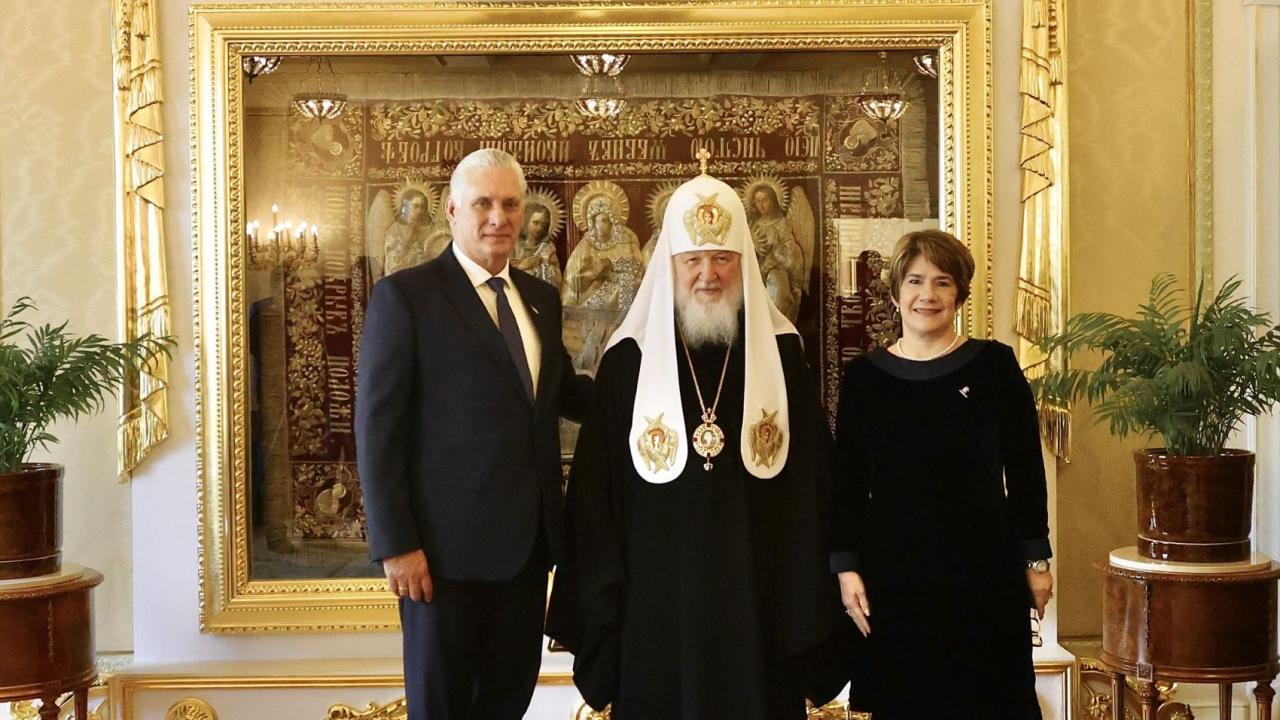
Miguel Díaz-Canel y Lis Cuesta con el patriarca Kirill de la Iglesia Ortodoxa rusa. @DiazCanelB/X
LA HABANA/ SPAIN- En su estancia en Rusia, Miguel Díaz-Canel ha reforzado en redes sociales su alineación con las figuras religiosas, políticas y económicas clave del Kremlin, mientras procura consolidar la dependencia estratégica de La Habana frente a Moscú en medio de la aguda crisis que atraviesa Cuba.
Díaz-Canel asistió este viernes junto a líderes de regímenes autoritarios, como Nicolás Maduro (Venezuela), Xi Jinping (China), Aleksandr Lukashenko (Bielorrusia), y otros aliados del Gobierno de Vladimir Putin, al desfile militar por el 80 aniversario de la victoria sobre el fascismo.
También este vienes Díaz-Canel se reunió con Xi Jinping, con quien “pasó revista al estado de los vínculos entre ambos partidos comunistas y gobiernos, y acordó vías para su profundización”, informó la agencia estatal Prensa Latina sin más precisiones.
El jueves, el gobernante cubano visitó a Kiril, patriarca de la Iglesia Ortodoxa Rusa, a quien describió como amigo “entrañable” de Fidel Castro, Raúl Castro y del pueblo cubano.
La reunión fue presentada como una expresión de afecto mutuo, cuyo trasfondo es la continuidad de los lazos ideológicos que el régimen cubano mantiene con figuras clave del poder ruso.
NUEVAS PROMESAS DE AYUDA
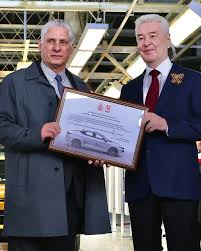
Antes, en la misma jornada, Díaz-Canel fue testigo de otro gesto de socorro económico directo de las autoridades rusas a La Habana. El alcalde de Moscú, Serguéi Sobyanin, donó al sistema de transporte cubano diez automóviles Moskvich 6 para su uso en servicios sociales en La Habana. La entrega se produjo durante una visita a la fábrica de la marca soviética, algunos de cuyos ejemplares antiguos continúan rodando a duras penas por las calles cubanas.
Según lo informado por Presidencia de Cuba en X, esta visita es parte de un acuerdo bilateral que contempla el envío inicial de 50 automóviles, de los cuales 25 serán eléctricos.
Aunque el Gobierno cubano intenta presentar estos vehículos como una señal de modernización, la escala de la donación contrasta con las profundas carencias del transporte público en la Isla, donde miles de cubanos dependen de un sistema colapsado, en el que no faltan algunos autos soviéticos de hace décadas que solo sobreviven gracias al ingenio de mecánicos locales.
Más retórica de resistencia, dependencia creciente de Rusia y promesas sin resultados
En un encuentro con la Misión Estatal de Cuba en Rusia, reseñado por el diario oficial Granma, Díaz-Canel reafirmó la apuesta del régimen cubano por profundizar sus vínculos con la Federación de Rusia, mientras repitió los mantras habituales de “resistencia” y “superación” del embargo, sin ofrecer soluciones concretas a la crisis estructural que atraviesa la Isla.
El vicepresidente del Gobierno ruso, Dimitri Chernyshenko, anunció este miércoles que empresarios de su país están dispuestos a invertir más de 1.000 millones de dólares en la economía cubana hasta el año 2030, como parte de un nuevo acuerdo bilateral firmado recientemente, conocido como Plan 2030.
La visita refuerza la apuesta del régimen cubano a su alianza con Moscú, en momentos en que ambas naciones se enfrentan a sanciones internacionales y buscan sostenerse mutuamente frente al aislamiento global.

CUBA TODAY: The Brief Note…..
DIAZ-CANEL FURTHER DEEPENS SUBORDINATION TO MOSCOW. MEETINGS. PHOTOS.

Miguel Díaz-Canel and Lis Cuesta with Patriarch Kirill of the Russian Orthodox Church. @DiazCanelB/X
HAVANA/SPAIN – During his stay in Russia, Miguel Díaz-Canel has reinforced his alignment with key religious, political, and economic figures in the Kremlin on social media, while seeking to consolidate Havana’s strategic dependence on Moscow amid the acute crisis facing Cuba.
This Friday, Díaz-Canel attended the military parade marking the 80th anniversary of the victory over fascism, along with leaders of authoritarian regimes, such as Nicolás Maduro (Venezuela), Xi Jinping (China), Aleksandr Lukashenko (Belarus), and other allies of Vladimir Putin’s government.
Also this Friday, Díaz-Canel met with Xi Jinping, with whom he “reviewed the state of ties between both communist parties and governments, and agreed on ways to strengthen them,” reported the state news agency Prensa Latina, without further details.
On Thursday, the Cuban leader visited Kirill, Patriarch of the Russian Orthodox Church, whom he described as a “close” friend of Fidel Castro, Raúl Castro, and the Cuban people.
The meeting was presented as an expression of mutual affection, the underlying reason for which is the continued ideological ties that the Cuban regime maintains with key figures in Russian power.
NEW PROMISES OF AID
Earlier on the same day, Díaz-Canel witnessed another gesture of direct economic aid from Russian authorities to Havana. Moscow Mayor Sergei Sobyanin donated ten Moskvich 6 cars to the Cuban transportation system for use in social services in Havana. The delivery took place during a visit to the Soviet brand’s factory, some of whose vintage models continue to struggle through Cuban streets.
As reported by the Cuban Presidency in X, this visit is part of a bilateral agreement that includes the initial shipment of 50 cars, 25 of which will be electric.
Although the Cuban government attempts to present these vehicles as a sign of modernization, the scale of the donation contrasts with the profound shortcomings of public transportation on the island, where thousands of Cubans depend on a collapsed system, which includes some decades-old Soviet cars that only survive thanks to the ingenuity of local mechanics. More rhetoric of resistance, growing dependence on Russia, and promises without results
In a meeting with the Cuban State Mission in Russia, reported by the official newspaper Granma, Díaz-Canel reaffirmed the Cuban regime’s commitment to deepening its ties with the Russian Federation, while repeating the usual mantras of “resistance” and “overcoming” the embargo, without offering concrete solutions to the structural crisis facing the island.
Russian Vice President Dmitri Chernyshenko announced this Wednesday that businessmen from his country are willing to invest more than $1 billion in the Cuban economy by 2030, as part of a recently signed bilateral agreement known as Plan 2030.
The visit reinforces the Cuban regime’s commitment to its alliance with Moscow, at a time when both nations face international sanctions and seek to support each other in the face of global isolation.
Agencies/ DDC/ CubaRusiaHist./ Extractos/ Excerpts/ Internet Photos/ Arnoldo Varona.
www.TheCubanHistory.com
THECUBAN HISTORY, HOLLYWOOD.
