

 LA ONU LANZA programa de 42 Millones de Dolares para socorrer a Cuba. PHOTOS. * THE UNITED NATIONS launches a 42-Million-Dollar Program to Help Cuba. PHOTOS.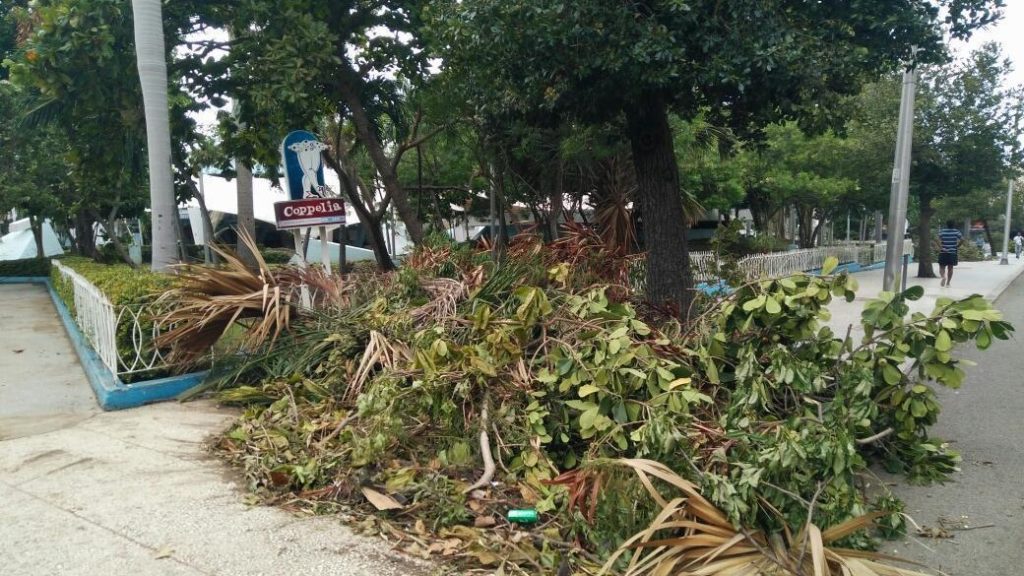
Daños del huracán Ian en la heladería Coppelia de La Habana. DIARIO DE CUBA
LA ONU LANZA PROGRAMA DE 42 MILLONES DE DOLARES PARA SOCORRER A CUBA. PHOTOS.
El plan apoyaría la respuesta en la vivienda, la salud, la educación, la seguridad alimentaria y el acceso a agua potable y electricidad despues del Huracan por Cuba.
LA ONU PRESENTÓ el miércoles un plan de acción de 42 millones de dólares con el que espera apoyar a unas 800.000 personas afectadas en Cuba por el huracán Ian, tanto a corto plazo, con ayuda de emergencia, como a medio plazo, para reparar daños.
Según el portavoz Stéphane Dujarric, con esta iniciativa Naciones Unidas busca respaldar el trabajo de las autoridades cubanas para dar respuesta a las necesidades de los ciudadanos tras el paso de Ian, que a finales de septiembre arrasó el extremo occidental de la Isla.
La organización explicó que el plan apoyará la respuesta en ámbitos como la vivienda, la salud, la educación, la seguridad alimentaria y el acceso a agua potable y electricidad.
En total, la ONU espera que se beneficien unas 798.000 personas, principalmente en las provincias de Pinar del Río y Artemisa, los territorios más afectadas por el huracán.
Para financiar el plan, Naciones Unidas ha destinado ya una partida de 7,8 millones de dólares de su Fondo Central para Respuesta a Emergencias y 3,7 millones del presupuesto destinado a su equipo en Cuba.
Esa cifra se suma a una suma de un millón de euros en ayuda humanitaria anunciado días atrás por la Unión Europea (UE) “para ayudar a las personas afectadas” por el impacto del fenómeno meteorológico.
Según dijo el comisario de Gestión de Crisis de la organización, Janez Lenarcic: “La UE se solidariza plenamente con el pueblo cubano en este momento difícil. El curso del huracán Ian causó un impacto devastador en varias zonas del país. Nuestra ayuda de emergencia ayudará a brindar apoyo vital a los afectados directamente en el terreno”.
La financiación se proporcionará, señaló la nota oficial, “a los socios humanitarios de la UE que operan sobre el terreno para satisfacer las necesidades inmediatas de los más vulnerables, incluso mediante la provisión de servicios temporales de alojamiento, agua y saneamiento de emergencia”.
De acuerdo con cifras oficiales, Ian dejó unas 100.000 viviendas afectadas en la Isla.
Casi 8.000 personas seguían evacuadas hasta el viernes último, 6.618 de ellas en casas de familiares y 1.043 en centros de evacuación.
En Pinar del Río el servicio eléctrico había sido restituido el martes a menos de la mitad del territorio, según se dijo en una reunión de Gobierno.
Solo en esa provincia hay 83.707 viviendas afectadas, 9.354 con derrumbe total y 9.418 con derrumbe parcial. De ellas, 2.906 son albergues de personas afectadas por eventos meteorológicos previos. Los derrumbes totales o parciales de techos ascienden a 43.104, el 51% de las afectaciones al fondo habitacional.
Varias familias afectadas por el paso de Ian ya habían perdido su vivienda hace 20 años, cuando en 2002 el huracán Lili azotó Pinar del Río. Pese a los donativos de diversos países y a las promesas del Gobierno, su situación seguía siendo precaria hasta la fecha.
“Este el mayor desastre en la historia de Pinar del Río, mayor que los ciclones Alberto, Lili, Isidoro y Gustav. Los más viejos no recuerdan haber presenciado tanto desastre, a pesar de que Pinar del Río es tierra de ciclones”, dijo a DIARIO DE CUBA Enely Ricardo, manicure pinareña de 36 años.
“Aquí, en Pinar del Río, no se hizo nada para prepararnos para el paso del huracán”, lamentó. “Todo fue Código y más Código (de las Familias), pero no se podó ni una mata como otros años”.
Tampoco se podaron árboles en La Habana, según contaron vecinos de la capital a DIARIO DE CUBA.
“En el centro de Pinar del Río no se evacuó a nadie y cada cual decidió irse a casas más seguras de familiares”, añadió Ricardo.
“Ahora es que empieza de verdad el ciclón silencioso para nosotros: qué vamos a comer, cómo vamos a vivir sin electricidad, sin nada, y cómo vamos a recuperar lo que perdimos si no hay de nada”, lamentó.
* RECOMIENDENOS A SUS AMISTADES * PREFIERA A NUESTROS SPONSORS *

THE UNITED NATIONS LAUNCHES A 42-MILLION-DOLLAR PROGRAM TO HELP CUBA. PHOTOS.
The plan would support the response in housing, health, education, food security, and access to drinking water and electricity after Hurricane Cuba.
The UN PRESENTED on Wednesday a $42 million action plan with which it hopes to support some 800,000 people in Cuba affected by Hurricane Ian, both in the short term, with emergency aid, and in the medium term, to repair the damage.
According to spokesman Stéphane Dujarric, with this initiative, the United Nations seeks to support the work of the Cuban authorities to respond to the needs of citizens after the passage of Ian, which devastated the western end of the island at the end of September.
The organization explained that the plan will support the response in areas such as housing, health, education, food security, and access to drinking water and electricity.
In total, the UN expects that some 798,000 people will benefit, mainly in the provinces of Pinar del Río and Artemisa, the territories most affected by the hurricane.
To finance the plan, the United Nations has already allocated an item of 7.8 million dollars from its Central Fund for Emergency Response and 3.7 million from the budget allocated to its team in Cuba.
That figure is added to a sum of one million euros in humanitarian aid announced days ago by the European Union (EU) “to help people affected” by the impact of the meteorological phenomenon.
According to the organization’s Commissioner for Crisis Management, Janez Lenarcic: “The EU stands in full solidarity with the Cuban people at this difficult time. The course of Hurricane Ian caused a devastating impact in several areas of the country. Our emergency aid will help to provide vital support to those directly affected on the ground.
The funding will be provided, the official note noted, “to EU humanitarian partners operating on the ground to meet the immediate needs of the most vulnerable, including through the provision of temporary emergency shelter, water, and sanitation services.”
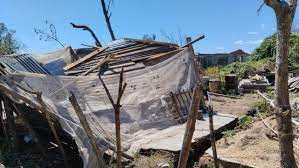
According to official figures, Ian left some 100,000 homes affected on the island.
Almost 8,000 people were still evacuated until last Friday, 6,618 of them in relatives’ houses and 1,043 in evacuation centers.
In Pinar del Río, the electricity service had been restored on Tuesday to less than half of the territory, according to what was said at a government meeting.
In that province alone there are 83,707 affected homes, 9,354 with total collapse and 9,418 with partial collapse. Of these, 2,906 are shelters for people affected by previous weather events. The total or partial collapses of roofs amount to 43,104, 51% of the affectation to the housing fund.
Several families affected by Ian’s passage had already lost their homes 20 years ago when Hurricane Lili hit Pinar del Río in 2002. Despite donations from various countries and promises from the Government, their situation remained precarious to date.
“This is the greatest disaster in the history of Pinar del Río, greater than the cyclones Alberto, Lili, Isidoro, and Gustav. The oldest does not remember having witnessed such a disaster, despite the fact that Pinar del Río is a land of cyclones,” he told DIARIO DE CUBA Emily Ricardo, a 36-year-old manicurist from Pinar del Río.
“Here, in Pinar del Río, nothing was done to prepare for the passage of the hurricane,” he lamented. “Everything was Code and more Code (of the Families), but not a single bush was pruned like other years.”
Nor were trees pruned in Havana, according to what residents of the capital told DIARIO DE CUBA.
“In the center of Pinar del Río no one was evacuated and everyone decided to go to the safer homes of relatives,” added Ricardo.
“Now the silent cyclone really begins for us: what are we going to eat, how are we going to live without electricity, with nothing, and how are we going to recover what we lost if there is nothing,” he lamented.
Agencies/ DDC/ CubaHoy/ Extractos/ Excerpts/ Internet Photos/ Arnoldo Varona/ www.TheCubanHistory.com
THE CUBAN HISTORY, HOLLYWOOD.
* RECOMIENDENOS A SUS AMISTADES * PREFIERA A NUESTROS SPONSORS *
