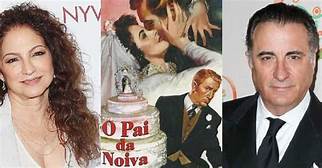
ANDY García y GLORIA Estefan re-estrenan el 16 de Junio su Film “Padre de la Novia”. VIDEOS. * ANDY GARCIA and GLORIA ESTEFAN return June 16 to the Big Screen in “Father of the Bride”. VIDEOS.

ANDY GARCIA Y GLORIA ESTEFAN REGRESAN EL 16 DE JUNIO A LA PANTALLA GRANDE EN “PADRE DE LA NOVIA”. VÍDEOS

th (22)

Andy García y Gloria Estefan protagonizan una nueva adaptación de la comedia clásica que parece dar muchos giros inesperados en su camino hacia el altar. La película se estrenará en HBO Max el 16 de junio.

Casi 30 años después de la última encarnación de ‘El padre de la novia’ llega la última actualización, con Andy García y Gloria Estefan llenando los zapatos de los padres que antes usaron Steve Martin y Diane Keaton en 1991 (sin mencionar a Spencer Tracy y Joan Bennett en 1950 ). Pero no espere que esta versión sea simplemente un repaso de la amada historia con un toque latino: el Padre de la novia de hoy, que se estrenará en HBO Max el 16 de junio, tiene algunas complicaciones bonitas para 2022.

VIDEOS- Andy Garcia y Gloria Estefan “Padre de la Novia”…(Cortos)..th

“Su matrimonio con su esposa está en crisis”, dice García, de 66 años, quien interpreta al arquitecto de Miami Billy, esposo de Ingrid (Gloria Estefan). “Se está deslizando cuesta abajo y está en una pendiente resbaladiza, no porque no se amen. Hemos crecido en espacios diferentes y damos por sentado nuestro matrimonio en este punto”. Agrega Estefan, de 64 años, “Ella está presionando un botón: esa palabra que empieza con D con el divorcio. Está tratando de presionarlo para que se despierte porque un año de terapia ciertamente no lo había despertado. Pero esa decisión es difícil para una latina”. hacer.”

¿Un padre de la novia donde los padres no tienen un matrimonio perfecto? Es suficiente para que hagamos una rabieta en una tienda de comestibles porque no queremos pagar bollos superfluos. ¿Otros cambios? El hermano menor no es un hermano pequeño (porque, sí, ese fue Kieran Culkin de Succession que valió ilegalmente los autos de los invitados a la boda en 1991), sino una hermana pequeña (Isabella Merced de Dora). Y la novia, Sophie (Adria Arjona), en realidad, ¡jadeo! — se propone a sí misma a su prometido Adán (Diego Boneta).

Y, por supuesto, el mayor cambio: en lugar de la familia blanca acomodada de la Costa Este de 1950 o la familia blanca acomodada de California de 1991, la película se centra en una familia cubanoamericana acomodada. en el Miami actual. (Además de la deslumbrante familia mexicoamericana con la que Sophie se casa).

“Era tanto un honor como una obligación entregar una historia que está dentro de las culturas latinas, en este caso, la cubana y la mexicana, tratando de relacionarse entre sí”, dice García. “Existe la obligación de hacerlo bien, representarlo sin estereotipos, de manera que, aunque sea culturalmente específico, sus temas sean universales”. Dice Estefan, “El hecho de que seamos dos culturas latinas mezclándose en esa película, para los puede parecer extraño porque pueden apilarnos a todos en un solo bulto cuando tenemos estas diferencias sutiles”.

th (27)

Aún así, hay algunas cosas inherentes a la IP probada del padre de la novia: un padre que tiene dificultades para dejar ir a su pequeña hija; la hija chispeante y moderna; el planificador de bodas que se roba la escena (la versión de este año del loco Franck de Martin Short es interpretada por su compañera alumna de SNL, Chloe Fineman). Y aunque sus personajes están en desacuerdo durante la mayor parte de la película, García y Estefan no tenían que fingir estar en una relación a largo plazo: la pareja ha sido amiga durante más de 30 años.

“Somos muy unidos, por lo que fue muy fácil entrar en la habitación y decir: ‘Está bien, ahora estamos casados'”, dice García, quien trabajó anteriormente con Estefan en ‘For Love or Country’ de la década de 2000. “Fue una alegría tremenda para mí y ella es una mujer a la que admiro enormemente. Somos una familia. Fue fácil entrar en esa dinámica”.

*RECOMIENDENOS A SUS AMISTADES* *PREFIERA A NUESTROS SPONSORS*

*RECOMIENDENOS A SUS AMISTADES*
*PREFIERA A NUESTROS SPONSORS*

logo (1)

ANDY GARCIA AND GLORIA ESTEFAN RETURN JUNE 16 TO THE BIG SCREEN IN “FATHER OF THE BRIDE.” VIDEOS
th (24)

Andy García and Gloria Estefan star in a fresh adaptation of the classic comedy that looks to take plenty of unexpected turns on its way to the altar. The Film will be launched on HBO Max on June 16.

Nearly 30 years after the last incarnation of ‘Father of the Bride’ comes the latest update, with Andy García and Gloria Estefan filling the parental shoes previously worn by Steve Martin and Diane Keaton in 1991 (not to mention Spencer Tracy and Joan Bennett in 1950). But don’t expect this version to simply be a retread of the beloved story with a Latin twist — today’s Father of the Bride, launching on HBO Max June 16, has some pretty 2022 complications.

VIDEOS- Andy Garcia & Gloria Estefan en “Father of the Bride”…(Trailer)..th

“His marriage to his wife is on the rocks,” says García, 66, who plays Miami architect Billy, husband to Ingrid (Gloria Estefan). “It’s sliding downhill and is on a slippery slope, not because they don’t love each other. We’ve kind of grown into different spaces, and we take our marriage for granted at this point.” Adds Estefan, 64, “She’s pushing a button — that D-word with divorce. She’s trying to push him to wake up because a year of therapy certainly hadn’t woken him up. But that decision is a tough one for a Latina to make.”

A Father of the Bride where the parents don’t have picture-perfect marriage? It’s enough to make us throw a tantrum in a grocery store because we don’t want to pay for superfluous buns. Other changes? The younger sibling is not a little brother (why, yes, that was Succession’s Kieran Culkin illegally valeting wedding guests’ cars in 1991), but a little sister (Dora’s Isabela Merced). And the bride, Sophie (Adria Arjona), actually — gasp! — does the propose herself to her fiancé Adan (Diego Boneta).

And of course, the biggest change: Instead of the well-to-do, white East Coast family of 1950 or the well-to-do, white California family of 1991, the film centers on a well-to-do Cuban American family in present-day Miami. (As well as the blindingly rich Mexican American family Sophie marries into.)

“There was both an honor and an obligation to deliver a story that’s within the Latin cultures, in this case, the Cuban and the Mexican, trying to relate to one another,” says García. “There’s an obligation to do it right, represent it without stereotypes, in a way that, although it’s culturally specific, its themes are universal. Says Estefan, “The fact that we’re two Latin cultures blending in that movie — to Anglos that might seem weird because they might pile us all into one lump when we have these subtle differences.”

th (25)

Still, there are some things inherent to time-tested Father of the Bride IP: a father having a hard time letting go of his little girl; the sparkling, modern daughter; the scene-stealing wedding planner (this year’s version of Martin Short’s wacky Franck is played by fellow SNL alum Chloe Fineman). And though their characters are at odds for most of the movie, García and Estefan didn’t have to fake being in a long-term relationship: The pair have been friends for more than 30 years.

“We’re very close, so it was very easy to step into the room and say, ‘OK, now we’re married,'” says García, who previously worked with Estefan on 2000s ‘For Love or Country’. “It was a tremendous joy for me and she’s a woman that I admire tremendously. We’re family. It was easy to step into that dynamic.”

Agencies. Entertainment. Yolanda Machado. Clarissa Cruz. AndyGloriaHist. Extractos. Excerpts. Internet Photos. YouTube. Arnoldo Varona. www.TheCubanHistory.com
THE CUBAN HISTORY, HOLLYWOOD.

*RECOMIENDENOS A SUS AMISTADES* *PREFIERA A NUESTROS SPONSORS*
*RECOMIENDENOS A SUS AMISTADES*
*PREFIERA A NUESTROS SPONSORS*

logo (1)

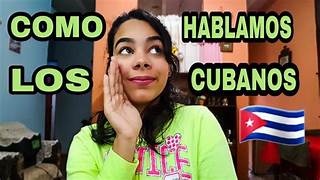
UN RECUENTO de Palabras Africanas que utilizan los Cubanos. PHOTOS. * A COUNT of African Words used by Cubans. PHOTOS.

UN RECUENTO DE PALABRAS AFRICANAS QUE UTILIZAN LOS CUBANOS. PHOTOS.

Utilizan los Cubanos palabras Africanas?

Si respondes con un NO rotundo, puede que estés equivocado.

th (19)

Es probable que uses palabras de origen africano y ni siquiera te hayas dado cuenta.

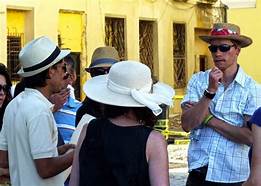
Con el asentamiento de los primeros núcleos de peninsulares en tierras cubanas, a partir de los años 1500s se produce la inmigración forzosa hacia Cuba de una gran cantidad de esclavos procedentes de diversos lugares del continente africano. Estos esclavos, que hablaban diferentes lenguas, por lo que utilizan el español como lengua común para comunicarse entre sí y con sus amos. No obstante, también trataron de conservar su lengua nativa – la que adquiere un carácter sagrado- como forma de preservar sus orígenes.

Debido a la práctica de creencias religiosas por parte de los africanos, se insertan en el habla cubana muchas voces de procedencia subsahariana. La santería que es la religión que practica el culto a las deidades del pueblo yoruba es la que más influencia ejerció.

Además, la lengua abakuá es otra que tuvo mucho arraigo no solo entre los adeptos de esta secta, sino también entre las capas populares de la sociedad.

De ahí la influencia de la cultura africana en nuestro lenguaje, específicamente la cultura Bantú cuya religión es denominada genéricamente en Cuba como Regla de Palo Monte.

PALABRAS MAS COMUNES QUE NOS DEJARON LOS AFRICANOS EN CUBA…

Entre las palabras más comunes en nuestro lenguaje popular y de origen africano tenemos por ejemplo la palabra: Bilongo, la que realmente significa: remedio mágico o según los estudios de Don Fernando Ortiz, yerba medicinal. Sin embargo lo cierto es que bilongo para los cubanos significa algo muy diferente a un remedio o medicina que nada tiene que ver con hechizos o brujerías.

Otro ejemplo está en la palabra “Guara” la que significa “amigo” en la cultura Bantú y por supuesto para nuestro lenguaje coloquial lo tenemos como una especie de amistad o amistoso en caso de “guaroso”.

th (18)

Y qué decir de una frase algo redundante que solemos decir cuando nos referimos a “Viejo Cañengo” pues precisamente Cañengo significa anciano.

Por otra parte son muchos los términos relacionados con la música donde se denota la influencia africana como en las palabras: “conga” que significa canto, guaguancó un ritmo africano que significa “ponerse rígido” al igual que “timba” cuando nos referimos a un grupo de ritmos afrocubanos.

De los africanos también tenemos palabras como “ñáñara” que significa “herida en la piel o ampolla” así como “tufo” que deviene de mal olor. El término “cumbancha” que quiere decir en buen cubano fiesta o jolgorio y por último quisiera preguntarles qué cubano no ha dado nunca una buena “tángana” o actualmente no vive en casa de las quimbambas, estas palabras también son un legado de la cultura africana.

En otras podemos citar frases como “Vivir en las Quimbambas”: un lugar lejos; “Ser de ampanga”: era una ciudad en África y significa ser demasiado exigente o severo; “Tener guara”: tener amistad, a veces un poco para la conveniencia; “fula” referido al dolar; “Marimba” instrumento musical; “Conga”, “Chingar” (Insultar, Ofender del Kimbundu), “Dengue”, “Mucama”, “Mochila”, “Tango”, Conga” o “Congo” y otros vocablos que heredó el español.

*RECOMIENDENOS A SUS AMISTADES* *PREFIERA A NUESTROS SPONSORS*

*RECOMIENDENOS A SUS AMISTADES*
*PREFIERA A NUESTROS SPONSORS*

logo (1)

A COUNT OF AFRICAN WORDS USED BY CUBANS. PHOTOS.

Do Cubans use African words?

If you answer with a resounding NO, you may be wrong.

th (17)

It is likely that you use words of African origin and you have not even realized it.

With the settlement of the first peninsular nuclei in Cuban lands, from the 1500s onwards, the forced immigration to Cuba of a large number of slaves from various parts of the African continent took place. These slaves, who spoke different languages, used Spanish as a common language to communicate with each other and with their masters. However, they also tried to preserve their native language – which acquires a sacred character – as a way of preserving their origins.

Due to the practice of religious beliefs by Africans, many voices of sub-Saharan origin are inserted into Cuban speech. Santeria, which is the religion that worships the deities of the Yoruba people, is the one that exerted the most influence.

In addition, the Abakuá language is another that was deeply rooted not only among the followers of this sect but also among the popular layers of society.

Hence the influence of African culture in our language, specifically the Bantu culture whose religion is generically known in Cuba as the Rule of Palo Monte.

MOST COMMON WORDS LEFT US BY AFRICANS IN CUBA…

Among the most common words in our popular language and of African origin we have, for example, the word: Bilongo, which really means: magic remedy or according to the studies of Don Fernando Ortiz, medicinal herb. However, the truth is that bilongo for Cubans means something very different from a remedy or medicine that has nothing to do with spells or witchcraft.

th (20)

Another example is in the word “Guara” which means “friend” in the Bantu culture and of course, for our colloquial language, we have it as a kind of friendship or friendly in case of “guaroso”.

And what about a somewhat redundant phrase that we usually say when we refer to “Old Cañengo” because precisely Cañengo means old man.

On the other hand, there are many terms related to music where the African influence is denoted as in the words: “conga” which means song, guaguancó an African rhythm that means “to stiffen” as well as “timba” when we refer to a group of Afro-Cuban rhythms.

From the Africans, we also have words like “ñáñara” which means “wound on the skin or blister” as well as “stuff” which comes from a bad smell. The term “cumbancha” which means in a good Cuban party or jolgorio and finally I would like to ask you what Cuban has never given a good “tángana” or currently does not live in the house of the quimbambas, these words are also a legacy of African culture .

In others we can cite phrases such as “Living in the Quimbambas”: a far away place; “To be from ampanga”: it was a city in Africa and it means to be too demanding or severe; “Tener guara”: to have friendship, sometimes a little for convenience; “fula” referred to the dollar; “Marimba” musical instrument; “Conga”, “Chingar”, “Dengue”, “Mucama”, “Mochila”, “Tango”, Conga” or “Congo” and other words that Spanish inherited.

Agencies. Wiki. HablandoCubano. Guatevision. CubaAfricaHist. Extractos. Excerpts. Internet Photos. Arnoldo Varona. www.TheCubanHistory.com
THE CUBAN HISTORY, HOLLYWOOD.

*RECOMIENDENOS A SUS AMISTADES* *PREFIERA A NUESTROS SPONSORS*

*RECOMIENDENOS A SUS AMISTADES*
*PREFIERA A NUESTROS SPONSORS*

logo (1)

AYMÉE NUVIOLA “La Sonera del Mundo”, Cantante, Compositora y Actriz Cubana. VIDEOS. * AYMÉE NUVIOLA “La Sonera del Mundo”, Singer, Composer, and Cuban Actress. PHOTOS. VIDEOS.

AYMÉE NUVIOLA “LA SONERA DEL MUNDO”, CANTANTE, COMPOSITORA Y ACTRIZ CUBANA. VÍDEOS. FOTOS

aimee-nuviola

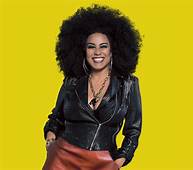
Aymée Regla Nuviola Suárez, más conocida como Aymée Nuviola, es una cantante, pianista, compositora y actriz cubana, apodada “La Sonera del Mundo”. También es conocida por haber interpretado a Celia Cruz en la telenovela colombiana Celia.

Aymee nació en el barrio de San Leopoldo en La Habana, Cuba el 8 de enero de 1973. Proveniente de una familia de músicos, comenzó a tocar el piano a la edad de 3 años, posteriormente se graduó en el Conservatorio Manuel Saumell de La Habana. De niña, Aymée componía y cantaba junto al piano y se inspiró en el trabajo de Benny Moré, Elena Burke, Omara Portuondo, José Antonio Méndez y otros. Con estas influencias se convirtió en la voz de varias grabaciones de grupos como “Irakere” y “NG La Banda”. Posteriormente, ella y su hermana Lourdes fueron las cantantes del grupo musical cubano “Pachito Alonso y sus Kini Kinis”.

A los 9 años comenzó a cantar profesionalmente con su hermana Lourdes, formando el dúo “Las hermanas Nuviola”, nombre con el que ambas se dieron a conocer en su Cuba natal, donde ganaron el concurso “Todo el mundo canta”.

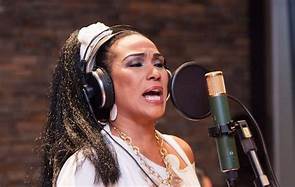
La música de Aymée es una fusión de géneros como el Jazz, la Timba, el Son, el Guaguancó, la Guaracha y la Charanga, todos ellos decorados con colores electrónicos urbanos. Aymée también incursiona en géneros como el bolero, el filin, la bossa nova y la canción romántica. Sin embargo, fue con la salsa y la feroz timba, (género del cual es uno de sus fundadores), como se dio a conocer internacionalmente.

VIDEOS- Aymee y el Septeto Santiaguero. th

También ha colaborado en múltiples discos ganadores de premios Grammy, el último de ellos «No quiero Llanto» del Septeto Santiaguero en 2016. Fue nominada a los Premios Billboard en 2010, fruto de su primera producción en Estados Unidos “Corazón Sonero”. “, por tres años consecutivos, 2014, 2015 y 2016 estuvo nominado al concurso Cubadisco (Cuba), como mejor cantautor y mejor álbum de música popular con las producciones «En la intimidad», «Primera Clase a La Habana». y «El regreso a La Habana», esta última producida por Sergio George.

En 2014, Aymée fue seleccionada entre las 25 figuras más influyentes de Miami por el diario New Times, a finales de 2016 alcanzó el puesto #1 en la lista Tropical de Billboard con el tema «Bailando todo se olvida» y es la primera afro -Latina en la historia de Spotify, al representar con su imagen y su música el Black History Month, del año 2017 (celebración anual en Estados Unidos) a través de la playlist con el nombre, “Viva Afro-Latino”.

En 2015 fue invitada a participar en el evento audiovisual más importante de Puerto Rico, “El Especial de Navidad del Banco Popular”. En 2016 se le entregó la llave de la ciudad de Miami y el alcalde Tomás Regalado proclamó el 10 de febrero como el día de Aymée Nuviola en la ciudad de Miami, distinción que repitió el alcalde de la ciudad de Houston, Sylvester Turner proclamando el 14 de octubre. 2016, como el día de Aymée Nuviola en esa ciudad.

Aymée ha participado en festivales de jazz como el North Sea Jazz Festival y Curaçao y se ha presentado prácticamente en los cinco continentes, desde su isla natal Cuba hasta México, Chile, Colombia, Argentina, Uruguay, Panamá, Brasil, España, Italia, Francia, Holanda, Hungría, y en varios lugares de Estados Unidos, incluyendo el emblemático Madison Square Garden, The Dolby Theatre en Hollywood y el Adrienne Arsht Center for the Performing Arts en Miami entre otros.

VIDEOS- Aymee canta sus composiciones..th

La cantante cubana radicada en Miami Aymée Nuviola se encuentra actualmente (junio 2022) promocionando su nuevo tema “La Gatica de María Ramos”, sencillo que ha tenido muy buena acogida por parte del público y que interpreta junto al rapero Black & White.

VIDA PRIVADA

En 2010, Aymée conoció a Paulo Simeón, productor y director de Televisión y Radio (actualmente es su manager universal) con quien tuvo un compromiso de un año antes de casarse.

En 1998, Aymée, aunque criada y educada como católica, se convirtió al protestantismo.

DISCOGRAPHY
Seleccion
(2008) «Salsa con timba»
(2008) Corazón Sonero
(2013) En La Intimidad
(2013) «Fiesta»
(2013) «Ya no creo en ti»
(2014) «El espacio»
(2014) First class to Habana
(2016) «Bailando todo se olvida» Feat. Baby Rasta & Gringo
(2016) «La negra tiene tumbao» Feat. Kat Dahlia

th (13)
(2017) «Rumba de la buena»

FILMOGRAPHY
2015-2016 Celia Úrsula Hilaria Celia Caridad Cruz Alfonso / Celia Cruz Adulta
El Regreso a La Habana Gegory Elías/ Paulo Simeón Cuba Paulo Simeón
Rumba de la buena Paola Fallas Miami Paola Fallas
Bailando todo se olvida Julio E. Pérez/Paulo Simeón Cuba Paulo Simeón
La negra tiene tumbao Paolo Croce Miami Paolo Croce
El espacio Sebastian Sorin Argentina Sebastián Sorin
Te quiero un montón Julio E. Pérez Miami Paulo Simeón
Sin ver el final Edwin Gonzáles /Paulo Simeón Miami Paulo Simeón
Me equivoqué Justo Piñero Miami Paulo Simeón
Quédate Justo Piñero Miami Paulo Simeón
Gracias por el consuelo Justo Piñero Miami Paulo Simeón
Fiesta Justo Piñero Miami Paulo Simeón
Ya no creo en ti Justo Piñero Miami Paulo Simeón

AWARDS AND NOMINATONS.
2010 Billboard Latino Corazón sonero Artista tropical airplay del año, femenino Nominated
2014 Latin Grammy First class to Havana Mejor álbum de salsa Nominated
2014 Cubadisco En la intimidad Mejor cantautora Nominated
2015 Grammy Award First class to Havana Best Tropical Latin Album Nominated
2015 Cubadisco First class to Havana Mejor álbum de música tropical Nominated
2016 Cubadisco El Regreso a La Habana Mejor álbum de música tropical Nominated
2018 Latin Grammy Como anillo al dedo Mejor álbum fusión tropical Winner
2018 Cubadisco Como anillo al dedo Voces de música bailable Nominated
2020 Grammy Award A Journey Through Cuban Music Best Tropical Latin Album Winner

*RECOMIENDENOS A SUS AMISTADES* *PREFIERA A NUESTROS SPONSORS*

*RECOMIENDENOS A SUS AMISTADES*
*PREFIERA A NUESTROS SPONSORS*

logo (1)

AYMEE NUVIOLA “LA SONERA DEL MUNDO”, SINGER, COMPOSER, AND CUBAN ACTRESS. VIDEOS. PHOTOS

th (12)

Aymée Regla Nuviola Suárez, better known as Aymée Nuviola, is a Cuban singer, pianist, composer, and actress, nicknamed “La Sonera del Mundo”. She is also known for having played Celia Cruz in the Colombian telenovela, Celia.

Aymee was born in the neighborhood of San Leopoldo in Havana, Cuba on January 8, 1973. Born into a family of musicians, she began playing piano at the age of 3 years, later she graduated from the Manuel Saumell Conservatory in Havana. As a child, Aymée composed and sang along with the piano and was inspired by the work of Benny Moré, Elena Burke, Omara Portuondo, José Antonio Méndez, and others. With these influences, she became the voice in several recordings of groups like “Irakere” and “NG La Banda”. Later, she and her sister Lourdes were the singers of the Cuban music group “Pachito Alonso y sus Kini Kinis”.

At 9 years of age, she began to sing professionally with her sister Lourdes, forming the duo “Las hermanas Nuviola”, a name with which both became known in their native Cuba, where they won the “Todo el Mundo canta” contest.

The music of Aymée is a fusion of genres such as Jazz, Timba, Son, Guaguancó, Guaracha, and Charanga, all of them decorated with urban electronic colors. Aymée also ventures into genres such as the Bolero, the Filin, Bossa nova, and the romantic song. However, it was with the salsa and the fierce Timba, (a genre which is one of its founders.) As it became known internationally.

th (10)

She has also collaborated on multiple Grammy-winning albums, the last of which was «No quiero Llanto» del Septeto Santiaguero in 2016. She was nominated for the Billboards Awards in 2010, the result of her first production in the United States”Corazón Sonero”, by three consecutive years, 2014, 2015, and 2016 was nominated for the Cubadisco (Cuba) contest, as the best singer-songwriter and a best popular music album with the productions «En la intimidad», «First Class to Havana» and «El regreso a La Habana» the latter produced by Sergio George.

In 2014, Aymée was selected among the 25 most influential figures in Miami by the newspaper New Times, at the end of 2016, she reached # 1 on the Billboard Tropical list with the theme «Bailando todo se olvida» and she is the first Afro-Latina in the history of Spotify, in representing with her image and her music the Black History Month, of the year 2017 (annual celebration in the United States) through the playlist with the name, “Viva Afro-Latino”.

In 2015, she was invited to participate in the most important audiovisual event in Puerto Rico, “The Banco Popular Christmas Special.” In 2016, she was given the key to the city of Miami and Mayor Tomas Regalado proclaimed February 10 as the day of Aymée Nuviola in the city of Miami, a distinction repeated by the mayor of the city of Houston, Sylvester Turner proclaiming October 14, 2016, as the day of Aymée Nuviola in that city.

Aymée has participated in jazz festivals such as the North Sea Jazz Festival and Curaçao and has performed practically in the five continents, from her native island Cuba to Mexico, Chile, Colombia, Argentina, Uruguay, Panama, Brazil, Spain, Italy, France, the Netherlands, Hungary, and in several places in the United States, including the emblematic Madison Square Garden, The Dolby Theatre in Hollywood and the Adrienne Arsht Center for the Performing Arts in Miami among others.

The Miami-based Cuban singer Aymée Nuviola is currently (June 2022) promoting her new song “La Gatica de María Ramos”, a single that has been very well received by the public and that she performs with rapper Black & White.

th (14)

PRIVATE LIFE

In 2010, Aymée met Paulo Simeón, a producer and director of Television and Radio, (he is currently her universal manager) with whom she had a one-year engagement before getting married.

In 1998, Aymée, although raised and educated as a Catholic, converted to Protestantism.

(READ AYMEE NUVIOLA DISCOGRAPHY, FILMOGRAPHY, AWARDS AND NOMINATIONS IN THE SPANISH SECTION ABOVE)

Agencies. Wiki. AymeeNuviolaBio. Extractos. Excerpts. Internet Photos. YouTube. Arnoldo Varona. www.TheCubanHistory.com
THE CUBAN HISTORY, HOLLYWOOD.

*RECOMIENDENOS A SUS AMISTADES* *PREFIERA A NUESTROS SPONSORS*

*RECOMIENDENOS A SUS AMISTADES*
*PREFIERA A NUESTROS SPONSORS*
logo (1)