

LA EPOPEYA DE 1,700 GALLEGOS QUE FUERON A CUBA HUYENDO DE LA MISERIA Y TERMINARON VENDIDOS COMO ESCLAVOS.
Por Juan Losa, España.
“Casi nadie conocía esta historia, algo sorprendente dada la tradición oral que se tiene en Galicia y la profusa documentación que existe sobre lo ocurrido. De eso va “AZUCRE”, la primera novela de Bibiana Candia publicada en el 2021.
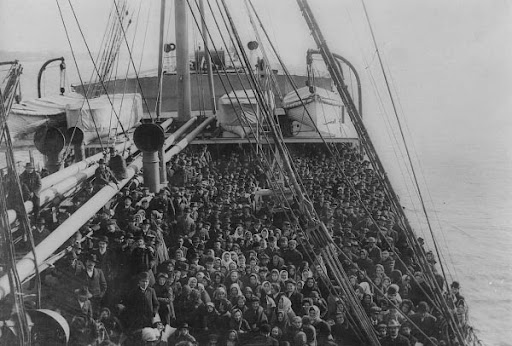
De eso y de la epopeya que viven 1.700 jóvenes gallegos que pusieron rumbo a Cuba a mediados del siglo XIX en busca de un futuro mejor y terminaron siendo esclavizados. Un viaje al centro mismo del horror de la mano de personajes creados como Orestes, el Tísico, el Comido, Tomás el de Coruña y tantos otros ganapanes. De eso va Azucre (Pepitas de Calabaza, 2021), la novela de Bibiana Candia.
COMIENZA “AZUCRE” Y LA EPOPEYA HISPANO-CUBANA.
Un calvario que comenzó el invierno de 1853. El año del hambre en Galicia. Las intensas lluvias han destrozado las cosechas y una epidemia de cólera empieza a hacer estragos entre la población. Es entonces cuando la miseria arría las velas y mil setecientos jóvenes gallegos ponen rumbo a Cuba para para ganarse la vida en las plantaciones de caña de azúcar.
No sabían que al llegar a su destino iban a ser vendidos como esclavos por obra de Urbano Feijóo de Sotomayor, un potentado gallego afincado en la isla que, aprovechando la situación de necesidad de sus compatriotas, promovió una campaña de colonización blanca y sustitución de la mano de obra llevada desde África.
“Es una epopeya, una aventura mítica, imagínate; naces en un pequeño pueblo de Galicia de mediados del XIX, que era casi como la prehistoria, te montan en un barco y llegas a Cuba, que en aquella época era como llegar a Nueva York, con un clima y unos animales que no has visto en tu vida, es literalmente una odisea”, relata Candia.
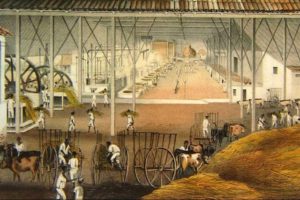
Para colmo descubren que les han vendido. Que su vida ya no les pertenece y que si escaparon de la pobreza fue para agenciarse unas buenas cadenas. “Ahí es cuando entra la vergüenza en escena, emigrar era nuestro sueño americano, los gallegos marchaban a América para vengar al señor que le quitó las tierras a sus padres, para regresar bañado en oro y ponerle su nombre a la escuela de pueblo”.
PESADILLA DE UN SUEÑO AMERICANO
“Emigrar era nuestro sueño americano” pero fracasar les sumía en el silencio. Un silencio que se perpetúa de generación en generación, historia viva de esa otra memoria no oficial, la que se musita en la sobremesa, entre suspiros. Un pueblo es, también, lo que calla. A veces por obligación, porque lo marca el látigo, y otras por la vergüenza de regresar del paraíso con las manos vacías.
De eso va “AZUCRE”, la primera novela de Bibiana Candia publicada en la Coruña, España en 2021.

RECOMIENDENOS A SUS AMISTADES * PREFIERA A NUESTROS SPONSORS.

THE EPIC OF 1,700 GALICIANS WHO WENT TO CUBA FLEEING FROM MISERY AND ENDED UP SOLD AS SLAVES.
By Juan Losa, Spain.
“Almost nobody knew this story, something surprising given the oral tradition that exists in Galicia and the profuse documentation that exists about what happened. That’s what” AZUCRE “is about, the first novel by Bibiana Candia published in 2021.
From that and from the epic lived by 1,700 young Galicians who set out for Cuba in the middle of the 19th century in search of a better future and ended up being enslaved. A journey to the very center of horror at the hands of characters created such as Orestes, El Tísico, El Comido, Tomás el de Coruña and many other ganapanes. That’s what Azucre is about (Pepitas de Calabaza, 2021), Bibiana Candia’s novel.
“AZUCRE” AND THE HISPANIC-CUBAN EPIC BEGINS.
An ordeal that began in the winter of 1853. The year of hunger in Galicia. Heavy rains have destroyed crops and a cholera epidemic is beginning to ravage the population. It is then that misery sets the sails down and 1,700 young Galicians set sail for Cuba to earn a living on the sugar cane plantations.
They did not know that upon reaching their destination they were going to be sold as slaves by Urbano Feijóo de Sotomayor, a Galician potentate living on the island who, taking advantage of the needy situation of his compatriots, promoted a campaign of white colonization and substitution of the labor brought from Africa.
“It’s an epic, a mythical adventure, imagine; you were born in a small town in Galicia in the mid-nineteenth century, which was almost like prehistory, they put you on a boat and you arrive in Cuba, which at that time was like arriving in New York, with a climate and animals that you have not seen in your life, it is literally an odyssey, “says Candia.

To make matters worse they discover that they have been sold. That their life no longer belongs to them and that if they escaped poverty it was to get some good chains. “That’s when shame enters the scene, emigrating was our American dream, the Galicians marched to America to avenge the man who took their parents’ land, to return bathed in gold and put his name to the village school.”
NIGHTMARE OF AN AMERICAN DREAM
“Emigrating was our American dream” but failing silenced them. A silence that is perpetuated from generation to generation, living history of that other unofficial memory, the one that is whispered in the after-dinner, between sighs. A people is also what is silent. Sometimes out of obligation, because the whip marks it, and sometimes because of the shame of returning from paradise empty-handed.
That’s what “AZUCRE” is about, Bibiana Candia’s first novel published in La Coruña, Spain in 2021.
Agencias/ Público/ Juan Losa, Spain/ Extractos/ Excerpts/ Internet Photos/ Arnoldo Varona/ www.TheCubanHistory.com
THE CUBAN HISTORY, HOLLYWOOD.

RECOMIENDENOS A SUS AMISTADES * PREFIERA A NUESTROS SPONSORS.
