


EL “AJIACO CUBANO”, NUESTRO VIEJO y EXQUISITO PLATO NACIONAL. RECETA E HISTORIA. PHOTOS/VIDEOS..
El origen exacto de Ajiaco ha sido debatido por los estudiosos durante años. En su libro Lexicografía Antillana, el ex presidente de Cuba Alfredo Zayas y Alfonso afirmó que la palabra “ajiaco” deriva de “aji”, la palabra taína nativa para “ají picante”.
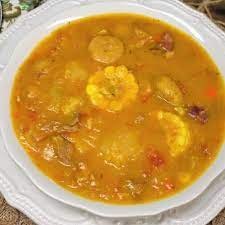
Cuban ethnologist Fernando Ortiz stated that ajiaco was a meal typical of the Taíno, and was an appropriate metaphor for Cuba as a melting pot. El famoso cubano diria entonces.. “La indiada nos dio el maíz, la papa, la malanga, el boniato, la yuca, el ají que lo condimenta y el blanco xaoxao del casabe… Los castellanos desecharon esas carnes indias y pusieron las suyas. Ellos trajeron, con sus calabazas y nabos, las carnes frescas de res, los tasajos, las cecinas y el lacón… Con los blancos de Europa llegaron los negros de África y éstos nos aportaron guineas, plátanos, ñames y su técnica cocinera. Y luego los asiáticos, con sus misteriosas especies de Oriente… Con todo ello se ha hecho nuestro ajiaco… Mestizaje de cocinas, mestizaje de razas, mestizaje de culturas. Caldo denso de civilización que borbollea en el fogón del Caribe”.
A pesar de la cantidad de ingredientes que se necesitan, este caldo es de elaboración sencilla. Claro está, no es un plato para comer a diario, sino más bien en los días de jolgorio y de reunión familiar. En algunas casas cubanas es muy común prepararlo para el almuerzo de Año Nuevo.
El primer libro de recetas “cubano” que conozco es el “Nuevo Manual del Cocinero Cubano y Español” de J. P. Legrán, publicado en 1857 en la imprenta “La Intrpida” (así aparece escrito, desconozco si es una errata) que estaba en Teniente Rey nº 29, en La Habana y se vendía en la Papelería “La Cruz Verde” sita en la calle Mercaderes Nº 29.
 VIDEOS- Receta para un buen Ajiaco Cubano..
En este manual ya aparecen tres recetas del ajiaco, pero he preferido tomar las de otra edición de 1914, de José E. Triay, editada por la imprenta de “La Moderna Poesía”, no solo porque en ella aparecen cinco recetas, que son las que incluyo en la imagen de esta publicación, sino porque también dichas recetas están menos relacionadas con el “cocido español”, como sucede en la de 1857, aunque digan “al estilo cubano”.
Este “Nuevo manual del cocinero criollo” de José E. Triay, contiene unas mil recetas de todos los platos de la cocina criolla, además de otras de las cocinas española, francesa, italiana, alemana e inglesa, que según su autor se acostumbraban a servir en las mesas de Cuba. Además contiene un interesante prólogo del Dr. Gonzalo Aróstegui y del Castillo.
Según aparece en dicho prólogo “…este libro del Sr. Triay viene, pues, en buena hora para la renovación del gusto de la comida, que va siendo cada vez más exigente, por los viajes, la frecuentación de extranjeros y los nuevos hoteles…” “…Se advierte hoy mas lujo y propiedad en las comidas. Este refinamiento, ya alcanzado en Cuba, ha sido obra de siglos en otros países, donde se ha necesitado mucho para cambiar la tosca satisfacción de una necesidad en un placer fino y delicado…”.
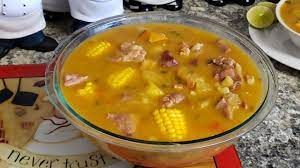
SU RECETA.
INGREDIENTES (para 12 personas):
CARNES:
½ gallina
1 libra de falda de ternera
2 libras de masa de puerco
VIANDAS
2 mazorcas de maíz
1 libra de malanga
2 plátanos verdes
1 libra de yuca
1 libra de boniato
2 plátanos maduros
2 limones
SOFRITO
2 cucharadas de aceite
1 cebolla
2 dientes de ajo
1 ají grande
1 taza de puré de tomate
2 cucharadas de sal
7 litros de agua
ELABORACIÓN:
Si puede incluir tasajo en la receta, que sea ½ libra. Y entonces, antes que nada, corte el tasajo en 3 o 4 pedazos y póngalos a remojar desde la noche anterior. A la mañana siguiente bótele el agua. En una cazuela grande ponga en tasajo remojado, la gallina y el agua. Déjelo hervir hasta que empiece a ablandarse. Si no tiene tasajo, entonces ponga solo la gallina. Añada la falda y el puerco. Déjelo hervir aproximadamente una hora más.
Mientras se cocinan las carnes, haga el sofrito y pele las viandas en el mismo orden en que las añadirá al caldo, como aparecen en la receta. Añada el sofrito y las viandas, agregando jugo de limón cada vez que añada plátano. Tápelo y déjelo cocinar a fuego lento aproximadamente una hora más. Para espesar el caldo, aplaste 2 o 3 pedazos de viandas.
RECOMIENDENOS A SUS AMISTADES * PREFIERA A NUESTROS SPONSORS.

THE “CUBAN AJIACO”, OUR OLD and EXQUISITE NATIONAL DISH. RECIPE AND HISTORY
The exact origin of Ajiaco has been debated by scholars for years. In his book Lexicografía Antillana, former Cuban President Alfredo Zayas y Alfonso stated that the word “ajiaco” derives from “aji”, the native Taíno word for “chili pepper.”
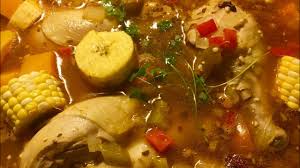
Cuban ethnologist Fernando Ortiz stated that ajiaco was a meal typical of the Taíno, and was an appropriate metaphor for Cuba as a melting pot. The famous Cuban would say then… “The Indian gave us the corn, the potato, the taro, the sweet potato, the yucca, the chili that spices it, and the white xaoxao of the casabe … The Castilians discarded those Indian meats and put their own. They brought, with their pumpkins and turnips, fresh beef, jerky, jerky, and pork … With the whites from Europe came to the blacks from Africa and they brought us guineas, bananas, yams, and their cooking technique. And then the Asians, with their mysterious species from the East … With all this our ajiaco has become … Miscegenation of cuisines, miscegenation of races, miscegenation of cultures. Dense broth of civilization bubbling up in the Caribbean hearth ”.
Despite the number of ingredients required, this broth is easy to make. Of course, it is not a dish to eat daily, but rather on days of revelry and family reunion. In some Cuban houses, it is very common to prepare it for New Year’s lunch.
The first “Cuban” cookbook that I know is the “New Manual of the Cuban and Spanish Cook” by JP Legrán, published in 1857 in the “La Intrpida” printing house (that’s how it is written, I don’t know if it’s a misprint) that was in Lieutenant Rey nº 29, in Havana and was sold at the “La Cruz Verde” Stationery located on Mercaderes Street Nº 29.
IDEOS- How to make a Good AJIACO Recipe..
In this manual, there are already three recipes for ajiaco, but I have preferred to take those from another edition of 1914, by José E. Triay, published by the printing house of “La Moderna Poesía”, not only because it contains five recipes, which are the which I include in the image of this publication, but also because these recipes are less related to the “Spanish stew”, as happens in 1857, even if they say “Cuban style.”
This “New manual for the Creole cook” by José E. Triay, contains about a thousand recipes of all the dishes of Creole cuisine, as well as other Spanish, French, Italian, German, and English cuisines, which according to its author were used to serve at the tables of Cuba. It also contains an interesting prologue by Dr. Gonzalo Aróstegui and del Castillo.
As it appears in the said prologue “… this book by Mr. Triay comes, then, at a good time for the renewal of the taste of food, which is becoming more and more demanding, due to travel, the frequentation of foreigners and the new hotels … “… Today we see more luxury and property in meals. This refinement, already achieved in Cuba, has been the work of centuries in other countries, where it has taken a lot to change the rough satisfaction of a need into a fine and delicate pleasure… ”.
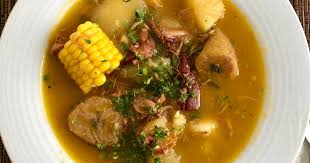
YOUR RECIPE
INGREDIENTS (for 12 people):
MEATS:
½ hen
1 pound of beef brisket
2 pounds of pork dough
VIANDS
2 ears of corn
1 pound taro
2 green bananas
1 pound of cassava
1 pound sweet potato
2 ripe bananas
2 lemons
SOFRITO
2 tablespoons oil
1 onion
2 cloves of garlic
1 large chili pepper
1 cup of tomato puree
2 tablespoons of salt
7 liters of water
ELABORATION:
If you can include jerky in the recipe, make it ½ pound. And then, first of all, cut the jerky into 3 or 4 pieces and put them to soak from the night before. The next morning pour the water away. In a large casserole, add the soaked jerky, the chicken, and the water. Let it boil until it begins to soften. If you don’t have jerky, then just put the chicken. Add the brisket and pork. Let it boil for about an hour more.
While the meats are cooking, make the sauce and peel the viands in the same order that you will add them to the broth, as they appear in the recipe. Add the sauce and the vegetables, adding lemon juice each time you add the banana. Cover and simmer for about an hour more. To thicken the broth, mash 2 or 3 pieces of viands.
Agencies/ Cuba en la Memoria/ Derubín Jacomé/ Internet Photos/ Excerpts/ Extractos/ Arnoldo Varona/ www.TheCubanHistory.com
THE CUBAN HISTORY, HOLLYWOOD.

RECOMIENDENOS A SUS AMISTADES * PREFIERA A NUESTROS SPONSORS.