


SITUACIÓN EN CUBA HOY: CONTINÚAN LAS DETENCIONES, EL RÉGIMEN SIGUE SIN DAR DATOS OFICIALES. PHOTOS.
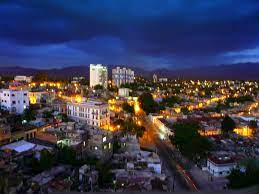
La Policía confisca móviles en Santiago de Cuba para identificar a los manifestantes en los videos. Continúan las detenciones, de las que el régimen sigue sin dar cifras oficiales. “En mis 53 años nunca he visto nada igual en Santiago, este es el principio del fin de la tiranía en Cuba”.
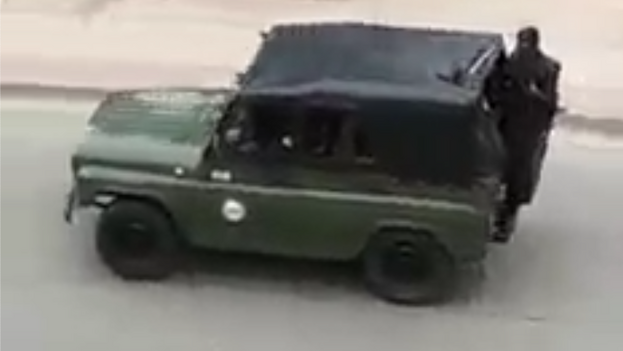
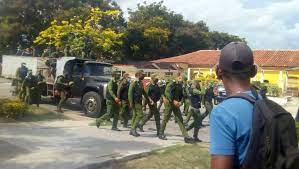
Patrulla de Boinas Negras recorriendo la ciudad de Santiago de Cuba, luego de las protestas el domingo 11 de julio. (Captura)
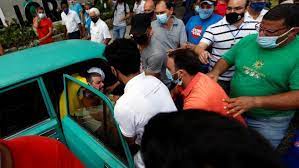
LA POLICIA CONTINUA con las detenciones, días después del comienzo de las protestas en más de 40 ciudades en toda la Isla. En Santiago de Cuba, este miércoles, un joven de 20 años fue apresado en la calle Corona, entre San Antonio y San Ricardo, cerca de donde comenzaron las manifestaciones el domingo, acusado de “estar filmando”. La zona fue cercada y blindada militarmente.
En estos momentos, los agentes confiscan los teléfonos y revisan “intensamente” los videos que contengan para identificar a la gente y llevarla presa. “Lo menos que hacen es poner multas de 2.000 pesos solo por mirar”, cuenta un testigo. “Si ven que alguien grita ‘patria y vida’, va preso”.
“Santiago amanece nublado, pero no de nubes, sino de policías”, ironiza Andrés, quien fue testigo desde su balcón. Las fuerzas del Ministerio del Interior hicieron una demostración de fuerza con una caravana formada por caballitos (policía motorizada), jeeps con Boinas Negras equipados con fusiles AKM y camiones repletos de guardias armados, sonando las sirenas.
“Ellos exhibieron a sus tropas especiales armadas hasta los dientes por toda la ciudad para intimidarnos, pero se les olvidó que nuestra consigna es no tenemos miedo”, dice Andrés. La caravana pasó prácticamente por todo Santiago, atravesando las avenidas y calles principales con estrépito.
OLA DE DETENCIONES EN LA PROVINCIA
Fue en Santiago, Holguin y Palma Soriano, ciudades donde se concentraron el grueso de las protestas orientales, que formaron parte de la oleada que alcanzó al menos 40 localidades de la Isla, en lo que ha constituido la mayor manifestación pública de descontento contra el régimen en las últimas seis décadas.
En Santiago la protesta tuvo su expresión más tensa en la Avenida de los Libertadores, donde el pueblo obstaculizó el tránsito, gritó “Patria y Vida”, cantó el himno nacional y exigió a todo pulmón “Libertad”.
Como en el resto del país, los manifestantes han sido reprimidos con violencia por la Policía, las brigadas antimotines y las tropas especiales uniformadas o vestidas de civil, que han empleado manoplas, balas de goma, perros y otros instrumentos. El apagón tecnológico aplicado por el monopolio estatal de las telecomunicaciones ETECSA ha facilitado la represión.
Al descontento por la escasez de alimentos, medicamentos y casi todos los productos de primera necesitad, además del aumento desmesurado de los casos de Covid-19, se han sumado los apagones de larga duración.
Beatriz Johnson Urrutia, gobernadora de la provincia, reconoció el fin de semana que, en menos de 72 horas, las cuatro unidades de la termoeléctrica Antonio Maceo perdieron en dos ocasiones la sincronización con el sistema electro energético nacional, a punto de colapsar por averías, falta de combustible y violación en el mantenimiento.
La gravedad de los acontecimientos obligó a desconectar por periodos de diez y 12 horas el 90% de las 364.000 viviendas del territorio, así como casi la totalidad de las industrias y el bombeo de agua. En medio del calor sofocante, la situación terminó por sobrepasar a los santiagueros.
Un agente del Ministerio del Interior (MININT) y un trabajador del tribunal local dijeron a este reportero que en los calabozos de las estaciones policiales hay más de 300 detenidos. Entre ellos, mujeres, jóvenes y adolescentes. Muchos podrían ser procesados por delitos como desacato, desorden público y atentado.
El agente del MININT dijo que la cifra podría crecer porque los efectivos encargados de evitar nuevas sublevaciones siguen realizando detenciones.
CONTINUAN LAS OLAS DE DETENCIONES
Aún no habían terminado las manifestaciones, el domingo, cuando comenzaron las detenciones en toda la ciudad, de las que hasta ahora no se tiene cifra precisa. “Se llevaron a mi hijo, ni siquiera tengo seguridad de adónde lo llevaron, me dicen que a lo mejor está en el centro de investigaciones de Versalles”, cuenta Iliana, una madre preocupada por su hijo, de 21 años, detenido el lunes.
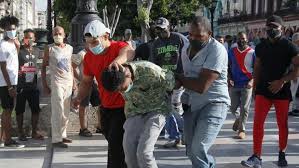
Ese mismo día también arrestaron a Antonio, tal como cuenta su novia, Migdalia: “No eran las 6 de la mañana cuando allanaron mi casa y se llevaron preso a mi novio, lo maltrataron como les dio la gana y lo sacaron casi en ropa interior, cargándolo entre cuatro policías, dos por los brazos y dos por los pies, fue duro ver eso”.
A pesar de que las principales manifestaciones fueron el domingo, los días sucesivos fueron un hervidero en la ciudad. “A mí que ningún comunista me venga a hablar, hace tres días que no almuerzo y estoy puesto”, dice con indignación Pipo, un joven participante en las protestas. “¡Abajo Díaz-Canel!”.
Luego del llamado del gobernante Miguel Díaz-Canel a “defender la Revolución”, se convocó en la ciudad a una marcha comunista que nunca se llegó a ejecutar. “A mí me dijeron en mi trabajo que íbamos a reunirnos a las 2 de la tarde el día 13 de julio para una marcha combatiente”, explica Marta. “Doy gracias que al final no se ejecutó la convocatoria, porque yo no iba a ir a ningún lado. El primero que se opuso a que yo fuera fue mi marido y yo lo respaldé. No podemos seguir apoyando la mentira, nos cansamos”.
Eso sí, los edificios gubernamentales y las tiendas de venta en divisas permanecen desde entonces fuertemente custodiados por un cuerpo de tropas especiales, con presencia siempre de al menos un oficial de alto rango.
“Estoy esperando que se vaya la electricidad para irme para la marcha de las cacerolas”
Según refieren algunos vecinos, se convocó a la gente a otra manifestación, con calderos y cucharones, en caso de que hubiera apagones, pero no ha habido cortes eléctricos y la concentración hasta ahora no se ha concretado.
“Estoy esperando que se vaya la electricidad para irme para la marcha de las cacerolas”, asegura, decidida, María Victoria.
Como al resto del país, a los santiagueros les cortaron internet desde el mismo domingo 11 de julio, en plena manifestación. La suspensión fue no solo de los datos móviles sino también de Nauta Hogar e incluso de teléfonos públicos. Solo dejaron la conexión por wifi, pero bloquearon el acceso a las redes sociales, especialmente Facebook.
Juan relata su frustración al no poder comunicarse: “No se podía siquiera hacer llamadas locales desde teléfonos públicos, en los diferentes intentos que hice en varias cabinas siempre recibí el mismo mensaje de la operadora: usted no tiene acceso al servicio solicitado”.
“Nos aislaron para que no se supiera lo que estaba pasando, pero yo usé una aplicación con un túnel encriptado y me conecté a Facebook”, refiere Miguel, un entusiasta de la tecnología.
“Cuando quieren te cortan la internet, la electricidad, el agua, lo que ellos quieran y no hay donde quejarse”
El corte, sin embargo, no fue para todos: los extranjeros residentes tenían conexión normal en sus celulares. “¿Cómo que no tienen internet?”, se sorprendía Marcus, un estudiante extranjero residente en Cuba mientras mostraba su teléfono móvil con línea de Etecsa y conexión 4G en el mismo instante en que este diario no podía acceder al servicio. “Yo sí tengo, mira”, decía mientras mostraba emocionado las imágenes de La Habana en las que manifestantes volcaron una patrulla policial.
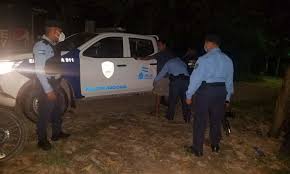
“Esa es una de las razones por las que nos manifestamos, para que se acabe el monopolio en las comunicaciones”, alega Mireya. “Cuando quieren te cortan la internet, la electricidad, el agua, lo que ellos quieran y no hay donde quejarse”. Desde el domingo no pudo siquiera hablar con su hija “que está afuera, preocupada por saber cómo estoy”.
Mientras tanto, y sin que haya proporcionado un número exacto de heridos y detenidos, Díaz-Canel aseguró este miércoles en una emisión especial del programa Mesa Redonda que los arrestados tendrán “garantías procesales” y “recibirán la aplicación de las leyes en su justa medida, sin abusos”.
Para el mandatario, en las manifestaciones se cometieron “hechos que atentan contra la Constitución” y justificó la acción policial, aunque admitió que “igual hay que pedir disculpas a quien en medio de la confusión fue maltratado injustamente”.

RECOMIENDENOS A SUS AMISTADES * PREFIERA A NUESTROS SPONSORS.

SITUATION IN CUBA TODAY: THE DETENTIONS CONTINUE, THE REGIME STILL DOES NOT GIVE OFFICIAL DATA
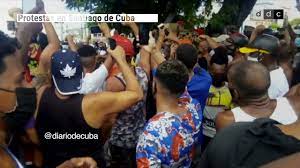
The Police confiscate cell phones in Santiago de Cuba to identify the protesters in the videos. The arrests continue, of which the regime continues without giving official figures. “In my 53 years I have never seen anything like it in Santiago, this is the beginning of the end of the tyranny in Cuba.”
Black Beret Patrol touring the city of Santiago de Cuba, after the protests on Sunday, July 11. (Capture)
THE POLICE continue with the arrests, days after the start of the protests in more than 40 cities throughout the island. In Santiago de Cuba, this Wednesday, a 20-year-old young man was arrested on Corona Street, between San Antonio and San Ricardo, near where the demonstrations began on Sunday, accused of “filming.” The area was surrounded and militarily armored.
At this time, the agents confiscate the phones and “intensively” review the videos they contain to identify people and take them to jail. “The least they do is put fines of 2,000 pesos just for looking,” says a witness. “If they see someone screaming ‘homeland and life’, he goes to jail.”
“Santiago dawns cloudy, but not with clouds, but with policemen”, ironizes Andrés, who was a witness from his balcony. The forces of the Ministry of the Interior made a show of force with a caravan made up of caballitos (motorized police), jeeps with Black Berets equipped with AKM rifles, and trucks full of armed guards, sounding the sirens.
“They displayed their special troops armed to the teeth all over the city to intimidate us, but they forgot that our slogan is we are not afraid.”
“They exhibited their special troops armed to the teeth throughout the city to intimidate us, but they forgot that our slogan is we are not afraid,” says Andrés. The caravan passed practically all over Santiago, crossing the main avenues and streets with a crash.
WAVE OF DETENTIONS IN THE PROVINCE
It was in Santiago, Holguin, and Palma Soriano, cities where the bulk of the protests were concentrated, which were part of the wave that reached at least 40 towns on the island, in what has constituted the largest public manifestation of discontent against the regime in the last six decades.
In Santiago, the protest had its most tense expression on Avenida de Los Libertadores, where the people obstructed the traffic, shouted “Homeland and Life”, sang the national anthem, and loudly demanded “Freedom.”
As in the rest of the country, the protesters have been violently repressed by the police, riot squads, and uniformed or civilian-clad special troops, who have used mittens, rubber bullets, dogs, and other instruments. The technological blackout applied by the state telecommunications monopoly ETECSA has facilitated repression.
Discontent over the shortage of food, medicine, and almost all essential products, in addition to the disproportionate increase in Covid-19 cases, have been joined by long-term blackouts.
Beatriz Johnson Urrutia, governor of the province, acknowledged over the weekend that, in less than 72 hours, the four units of the Antonio Maceo thermoelectric plant lost synchronization with the national electrical energy system on two occasions, on the verge of collapsing due to breakdowns, lack of fuel and violation in maintenance.
The seriousness of the events forced 90% of the 364,000 homes in the territory to be disconnected for periods of ten and 12 hours, as well as almost all of the industries and water pumping. In the midst of the suffocating heat, the situation ended up overtaking the people of Santiago.
An agent from the Ministry of the Interior (MININT) and a local court worker told this reporter that there are more than 300 detainees in the cells of the police stations. Among them, women, young people, and adolescents. Many could be prosecuted for crimes such as contempt, public disorder, and assault.
The MININT agent said that the figure could grow because the troops in charge of preventing new uprisings continue to carry out arrests.
WAVES OF DETENTIONS CONTINUE
The demonstrations had not yet ended, on Sunday, when the arrests began throughout the city, for which no precise figure has been available so far. “They took my son, I am not even sure where they took him, they tell me that maybe he is in the Versailles investigation center,” says Iliana, a mother worried about her 21-year-old son, who was arrested on Monday.
That same day they also arrested Antonio, as his girlfriend, Migdalia says: “It was not 6 in the morning when they raided my house and took my boyfriend prisoner, they mistreated him as they pleased and took him out almost in his underwear, carrying it between four policemen, two by the arms and two by the feet, it was hard to see that. ”
Although the main demonstrations were on Sunday, the following days were abuzz in the city. “Let no communist come to talk to me, I haven’t had lunch for three days and I’m up,” says Pipo, a young participant in the protests, indignantly. “Down with Díaz-Canel!”
After the call of the ruler Miguel Díaz-Canel to “defend the Revolution”, a communist march was called in the city that was never carried out. “They told me at work that we were going to meet at 2 in the afternoon on July 13 for a combatant march,” explains Marta. “I am grateful that in the end the call was not executed, because I was not going anywhere. The first one who opposed my going was my husband and I supported him. We cannot continue supporting the lie, we get tired.”
Of course, government buildings and currency stores have been heavily guarded since then by a corps of special troops, with at least one high-ranking officer always present.
“I’m waiting for the power to go out so I can go for the pot march”
According to some neighbors, people were called to another demonstration, with cauldrons and ladles, in case there were blackouts, but there have been no power cuts and the concentration has not materialized so far.
“I’m waiting for the electricity to go out to go for the march of the pans,” says María Victoria, determined.
Like the rest of the country, the internet was cut off from the people of Santiago since that same Sunday, July 11, in the middle of the demonstration. The suspension was not only of mobile data but also Nauta Hogar and even public telephones. They only left the Wi-Fi connection, but they blocked access to social networks, especially Facebook.
Juan recounts his frustration at not being able to communicate: “It was not even possible to make local calls from public telephones, in the different attempts I made in various booths I always received the same message from the operator: you do not have access to the requested service.”
“They isolated us so that it was not known what was happening, but I used an application with an encrypted tunnel and connected to Facebook,” says Miguel, a technology enthusiast.
“When they want to, they cut off the internet, electricity, water, whatever they want and there is nowhere to complain”.
The cut, however, was not for everyone: the resident foreigners had a normal connection on their cell phones. “How come they don’t have internet?” Marcus, a foreign student living in Cuba, was surprised as he showed his mobile phone with Etecsa line and 4G connection at the same moment that this newspaper could not access the service. “I do have it, look,” he said as he excitedly showed the images of Havana in which protesters overturned a police patrol.
“That is one of the reasons why we are demonstrating so that the monopoly in communications ends,” argues Mireya. “When they want to, they cut off the internet, electricity, water, whatever they want and there is nowhere to complain.” Since Sunday she could not even speak to her daughter “that she is outside, worried to know how I am.”
Meanwhile, and without providing an exact number of injured and detained, Díaz-Canel assured this Wednesday in a special broadcast of the Roundtable program that those arrested will have “procedural guarantees” and “will receive the application of the laws in their fair measure. , without abuse “.
For the president, the demonstrations committed “acts that violate the Constitution” and justified the police action, although he admitted that “we must still apologize to those who, in the midst of the confusion, were unfairly mistreated.”
Agencies/ 14ymedio, La Habana/ Internet Photos/ Arnoldo Varona/ Videos/Photos> La Historia de Cuba
THE CUBANHISTORY, HOLLYWOOD.
RECOMIENDENOS A SUS AMISTADES * PREFIERA A NUESTROS SPONSORS.
