 THE “CUBAN CHARROS NEGROS”. MEXICO AND ITS SONGS. VIDEOS.
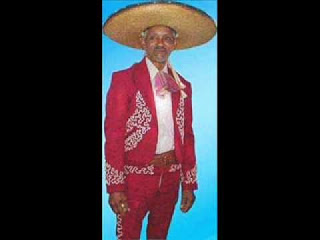
But do not think that ‘Charro Negro’ in Cuba there is only one, there are two. Franklyn Delano Smith introduces himself as the only black ranchera singer and says that he feels Mexican by strength and heart, although he carries a pistol with details of Cuban Santeria on his belt. “I feel like a ranchero, I feel Mexican and I give my life for ranchera music,” repeats Smith, star of the documentary El Charro Negro (2012), by the filmmakers Diego Enríquez (Mexico), Margarita González (Colombia) and Carmen Romero (Cuba ).
“They say they have never seen a black Mexican because you are already seeing him…”, affirms the singer, who is a native of Palmarito de Cauto, in eastern Cuba. In his family, there has been no tradition of ranchera music, but he became an admirer of everything Mexican from a young age listening to “El Jinete” in the voice of Jorge Negrete. He began singing in the peña de Lolita López, in the central Payret cinema in Havana.
He tells that he was already in Mexico and sang with the great Vicente Fernández, who gave him the luxurious mariachi hat that now accompanies him.
“He is a simply fascinating character,” said actor and singer of country music Ramóncitín Veloz, who discovered Smith watching the documentary for a presentation on Channel 41 in Miami. Veloz, who comes from an emblematic family of farmers of peasant music, grandson of Ramón and Coralia, recalled that traditionally there has been a great root of Mexican rancheras and corridos in the Cuban countryside, especially in the areas of Pinar del Río and the provinces central and eastern parts of the country.
Programs on Cuban radio such as “De México, sus Canciones”, on the provincial radio station Radio Sancti Spíritus, and many others on the more than one hundred Cuban stations, maintain daily programming with traditional Mexican genres. And I believe and I am aware of the medium, that there is a revolt in the town where its station takes a Mexican music program off the air. Even Mexican music interpretation contests are held in Cuba every year.
THE OTHER CUBAN “CHARRO NEGRO”.
But Smith doesn’t seem like the only black charro in the country. In the Granma province lives another singer of Mexican folk genres, Luis Rey Palmero, known by the same artistic alias.
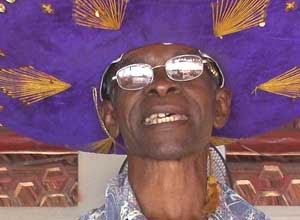
At least in his native Guantánamo, where the love for Mexican music endures, he continues to be a legend that remains valid among lovers of that musical genre even though he lives today in the city of Bayamo. He left for Havana in 1959 and began to sing in bars and canteens as they did before and he met in one of those places with a person who listened to him and then he put him in contact with the Corona record company and they invited him to Radio Progreso.
It is there where they make a recording of him, and he tells him without thinking twice: “you are going to name yourself El Charro Negro”, Luis liked it and from that moment he began to use it. Then we went for a walk around the city and at that time in almost all the establishments there were victrolas and the song was heard in all of them, it was like a chain, like something from a movie.
He arrived home and had several telegrams asking him to go to Havana to make other recordings, the ones he made with Disco Corona, Maype, and Egrem. He worked in almost all the night cabarets of the time in Havana: the Vía Blanca, El Palermo, El Nacional, and even sang with María de Lourdes on her visit to Cuba.
He visited Mexico in 1961 and 1976. He sang in Guadalajara with the ‘Mariachi Cuba’ that is, he went dancing at the house of the trump.
Nothing, that in Cuba instead of one, we have two black charros and in Mexico there are none. Well yes, there is a black charro: a cocktail made with white tequila, cola, salt, and lemon. That Black Charro doesn’t sing, but he makes you sing.


 LOS “CHARROS NEGROS CUBANOS”. DE MEXICO Y SUS CANCIONES. VIDEOS.
Pero no crean que Charro Negro en Cuba hay uno solo, son dos. Franklyn Delano Smith se presenta como el único cantante negro de rancheras y dice que se siente mexicano por fuerza y corazón, aunque lleva al cinto una pistola con el detalle de la santería cubana. “Me siento ranchero, me siento mexicano y doy mi vida por la música ranchera”, repite Smith, protagonista del documental El Charro Negro (2012), de los realizadores Diego Enríquez (México), Margarita González (Colombia) y Carmen Romero (Cuba).
“Dicen que nunca han visto un mexicano negro, pues ya lo estás viendo…”, afirma el cantante, que es oriundo de Palmarito de Cauto, en el oriente cubano. En su familia no ha habido tradición de música ranchera, pero él se convirtió desde joven en admirador de todo lo mexicano escuchando “El jinete” en la voz de Jorge Negrete. Empezó cantando en la peña de Lolita López, en el céntrico cine Payret de La Habana.
Cuenta que estuvo ya en México y cantó junto al gran Vicente Fernández, quien le obsequió el lujoso sombrero de mariachi que ahora lo acompaña.
“Es un personaje sencillamente fascinante”, dijo el actor y cantante de música campesina Ramóncitín Veloz, quien descubrió a Smith viendo el documental para una presentación en el Canal 41 de Miami. Veloz, que proviene de una emblemática familia de cultores de la música campesina, nieto de Ramón y Coralia, recordó que tradicionalmente ha existido un gran arraigo de rancheras y corridos mexicanos en el campo cubano, especialmente en las zonas de Pinar del Río y las provincias centrales y orientales del país.
Programas en la radio cubana como “De México, sus canciones”, en la emisora provincial Radio Sancti Spíritus, y tantos otros en las más de cien emisoras cubanas, mantienen una programación diaria con los géneros tradicionales mexicanos. Y creo y soy conocedor del medio, que hay un revuelta en el pueblo donde su emisora saque del aire un programa de música mexicana. Hasta concursos de interpretación de música mexicana se realizan en Cuba todos los años.
EL OTRO “CHARRO NEGRO” CUBANO.
Pero Smith no parece ser el único charro negro del país. En la provincia Granma vive otro cantante de los géneros folclóricos mexicanos, Luis Rey Palmero, conocido por el mismo alias artístico.
Al menos en su natal Guantánamo, donde el amor por la música mexicana perdura, él sigue siendo una leyenda que se mantiene vigente entre los amantes de ese género musical aunque viva hoy en la ciudad de Bayamo. Se fue para La Habana en 1959 y comenzó a a cantar en bares y cantinas como se hacia antes y se encontró en uno de esos lugares con una persona que lo escuchó y entonces lo pone en contacto con la disquera Corona y lo invitan a Radio Progreso.
Es ahí donde le hacen una grabación, y le dice sin pensarlo dos veces: “tú te vas a nombrar El Charro Negro”, a Luis le gustó y desde ese mismo momento comenzó a usarlo. Después salimos a caminar por la ciudad y en ese tiempo en casi todos los establecimiento habían victrolas y en todos se escuchaba la canción, era como una cadena, como una cosa de película.
Llegó a su casa y tenía varios telegramas que le pedían que fuera para La Habana para hacer otras grabaciones las que hizo con Disco Corona, Maype y la Egrem. Trabajó en casi todos los cabarets nocturnos de la época en La Habana: el Vía Blanca, El Palermo, El Nacional, y hasta cantó con María de Lourdes en su visita a Cuba.
Visitó México en 1961 y 1976. Cantó en Guadalajara junto al ‘Mariachi Cuba’ o sea que fue a bailar a la casa del trompo.
Nada, que en Cuba en lugar de uno, tenemos dos charros negros y en México no hay ninguno. Bueno si, hay un charro negro: un coctel hecho con tequila blanco, refresco de cola, sal y limón. Ese Charro Negro no canta, pero te hace cantar.
Agencies/ MemoriasCubanas/ Carlos Rodriguez/ Internet Photos/ YouTube/ Arnoldo Varona/ www.TheCubanHistory.com
THE CUBAN HISTORY, HOLLYWOOD.