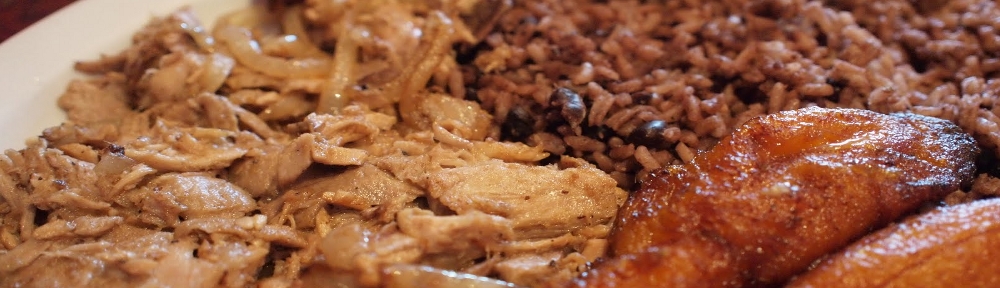
“LA MADRE NEGRA” of José Martí, a Little Known Story. * UNA HISTORIA poco conocida, “LA MADRE NEGRA” de José Martí. PHOTOS.

91ILOkDtXALA LITTLE KNOWN STORY, “LA MADRE NEGRA” OF JOSÉ MARTÍ.

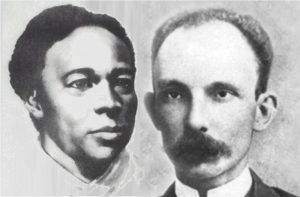
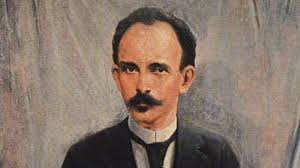
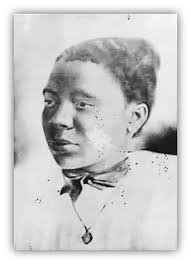
Today we want to let you know about an episode in the life of our Apostle José Martí and it was the fraternal relationships that united him with a great Cuban, Paulina Hernández, and that life crossed them patriotically during their stay in the United States.

Undoubtedly, although Martí loved his mother deeply, there was another Cuban woman with black skin, to whom he professed the same level of affection and whom he met in Tampa when the daughter of Carabalí slaves crossed the Master’s path for good. The figure of this female, unfortunately, forgotten in Cuban historiography, deserves an approach that reveals the essential features of his deep personality.

Paulina Hernández was born in Pinar del Río. She married the Cuban Ruperto Pedroso. The couple decided to go to Tampa in 1888 and there they established an inn. On November 26, 1891, José Martí visited that city for the first time and there he met the couple. They fully identified with the Apostle’s project and in Martí’s life of permanent combat, a new light was opened, before the affection of that black woman and her husband for him.
download (3)

HIS DEEP AFFECTION
In 1892, during one of Martí’s stays in Tampa, an attempt was made to poison him. Martí’s flimsy life was cared for by Cuban doctor Miguel Barbarrosa Márquez. Paulina became a nurse, supplying the medications that Martí required. With Paulina’s constant and skillful care and attention, Martí was able to recover, although his body was permanently marked by the ravages of this incident.

After this event, Martí only spent the night in the Pedroso house and limited himself to consuming only those foods that the faithful woman prepared for him.

Later, Paulina was able to help Martí again in very difficult moments for her. The failure of the Plan La Fernandina was a devastating blow, for those who for so long encouraged the contribution of all the emigrants in order to raise money to arm an independence expedition.

That objective was thwarted when, due to a betrayal, the La Fernandina vessels were seized by US authorities and the supplies that were supposed to arrive in Cuba to resume the fight was lost. Paulina and Ruperto took extreme risks, out of love for Martí and dedication to the cause of Cuban independence. They mortgaged their property so that the essential military supplies for Cuban liberation could be acquired.

They did not catch the Master, but they were looking for him everywhere. He had been left in a state of depression from which he barely got up.
download

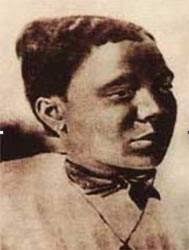
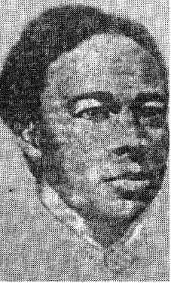
Paulina, in addition to working as a cook and seamstress, was self-taught. At home, she founded a society known as the Tampa League, where she promoted the study. She knew how to read and write and even developed a gift for musical appreciation and composition. “Martí, I loved you as a mother, I revere you as a Cuban, You were good: Cuba owes you its Independence,” wrote Paulina in a poem that she published in the Cuba newspaper in Tampa on May 18, 1897.

By 1905, Paulina was still living in Tampa, in very poor conditions and exposed to eviction. By the first days of 1906, she had already moved back to Cuba.

A SHAME DONATION.
On one occasion, the Cuban Senate approved a donation of 3,000 Cuban pesos for Paulina. The donation was in shameful contrast to the donation of 25 thousand pesos that was approved as a gift for the wedding of the daughter of Theodore Roosevelt, then president of the United States.

Only that amount was granted to Paulina, she was never assigned a pension. However, it was always supported by the immeasurable towards Martí, to who the Apostle corresponded. He stated: “Neither Paulina nor Ruperto I ever remember without feeling like a smile in my heart.”

She died on May 21, 1913. Months before, she had asked several of her friends to place in her coffin when she left a photograph that Martí sent her, showing the emotion and affection that the Master had for that woman. You could read on it a message with simple and profound words: “To Paulina, my black mother.”

To honor the memory of this courageous contributor to Marti’s work, the researcher Josefina Toledo wrote the book entitled “The black mother of Martí.” These pages come to settle a painful debt with the brave Cuban woman, who gave her contribution in favor of independence, sovereignty, and freedom.

Ciudades-de-Cuba.Matanzas

logo

La-madre-negra-de-jose-martiUNA HISTORIA POCO CONOCIDA “LA MADRE NEGRA” DE JOSÉ MARTÍ.

Hoy queremos hacerles conocer un episodio en la vida de nuestro Apostol José Martí y fueron las relaciones fraternales que le unió con una gran cubana, Paulina Hernández y que la vida los cruzó patrioticamente durante su estancia en Estados Unidos.

Sin dudas, aunque Martí amó profundamente a su madre, pero hubo otra cubana de piel negra, a quien le profesó igual nivel de afecto y a la que conoció en Tampa, cuando la hija de esclavos carabalíes se cruzó para bien en el camino del Maestro. La figura de esta fémina, lamentablemente olvidada en la historiografía cubana, merece un acercamiento que devele los rasgos esenciales de su profunda personalidad.

Paulina Hernández nació en Pinar del Río. Contrajo matrimonio con el cubano Ruperto Pedroso. La pareja decidió marcharse en 1888 a Tampa y allí establecieron una posada. El 26 de noviembre de 1891 José Martí visitó por primera vez esa ciudad y allí conoció a la pareja. Se identificaron plenamente con el proyecto del Apóstol y en la vida de combate permanente de Martí se abrió una nueva luz, ante el cariño de aquella mujer negra y su marido por él.
images (2)

SU PROFUNDO AFECTO
En 1892, durante una de las estadías de Martí en Tampa, se realizó un intento por envenenarlo. La endeble vida de Martí fue cuidada por el médico cubano Miguel Barbarrosa Márquez. Paulina se convirtió en enfermera, suministrando los medicamentos que Martí requería. Con la atención y cuidados constantes y diestros de Paulina, Martí pudo recuperarse, aunque su cuerpo quedó perennemente marcado por los estragos de este incidente.

Luego de este hecho, Martí solamente pernoctaba en la casa de los Pedroso y se limitaba a consumir únicamente aquellos alimentos que la fiel mujer le preparaba.

Mas adelante pudo Paulina volver a ayudar a Martí en momentos muy difíciles para él. El fracaso del Plan La Fernandina resultó un golpe demoledor, para quien por tanto tiempo alentó la contribución de todos los emigrados con el fin de reunir dinero para armar una expedición independentista.

Ese objetivo se frustró cuando, por una traición, las embarcaciones de La Fernandina, fueron apresadas por autoridades norteamericanas y se perdieron los pertrechos que debían llegar a Cuba para reanudar la lucha. Paulina y Ruperto extremaron su riesgo, por amor a Martí y entrega a la causa de la independencia de Cuba. Hipotecaron su propiedad para que pudieran adquirirse los pertrechos militares esenciales para la liberación cubana.

No apresaron al Maestro, pero lo buscaban por todas partes. Había quedado en un estado de depresión del que se levantó a duras penas.
download (2)

Paulina, además de desempeñarse como cocinera y costurera, fue autodidacta. En su casa fundó una sociedad conocida como la Liga de Tampa, donde promovía el estudio. Ella sabía leer y escribir y hasta desarrolló dotes de apreciación y composición musical. “Martí, te quise como madre, te reverencio como cubana, Tú fuiste bueno: a ti deberá Cuba su Independencia”, escribió Paulina en un poema que publicó en el periódico Cuba, de Tampa, el 18 de mayo de 1897.

Para el año de 1905, Paulina aún vivía en Tampa, en condiciones paupérrimas y expuesta al desahucio. Para los primeros días de 1906 ya se había trasladado de regreso a Cuba.

UN DONATIVO VERGONZOSO.
En una ocasión, el Senado cubano aprobó un donativo de 3 mil pesos cubanos para Paulina. La donación contrastaba vergonzosamente con el donativo de 25 mil pesos que se aprobó como regalo por la boda de la hija de Theodore Roosevelt, entonces presidente de Estados Unidos.

Solo ese monto le fue concedido a Paulina, nunca se le asignó una pensión. No obstante, siempre la sostuvo el inconmensurable hacia Martí, que el Apóstol correspondía. Este afirmaba: “Ni a Paulina ni a Ruperto los recuerdo nunca sin que sienta como una sonrisa en el corazón”.

Ella murió el 21 de mayo de 1913. Meses antes había pedido a varios de sus amigos que al partir, colocaran en su ataúd una fotografía que Martí le envió, mostrando la emoción y el cariño que el Maestro tuvo por esa mujer. Se podía leer en ella un mensaje con palabras simples y profundas: “A Paulina, mi madre negra”.

Para honrar la memoria de esta valerosa contribuyente a obra martiana, la investigadora Josefina Toledo escribió el libro titulado “La madre negra de Martí”. Estas páginas vienen a saldar una penosa deuda con la aguerrida mujer cubana, que dio su aporte a favor de la independencia, la soberanía, la libertad.

Agencies/ TodoCuba/ Internet Photos/ Extractos/ Excerpts/ Arnoldo Varona/ www.TheCubanHistory.com
THE CUBAN HISTORY, HOLLYWOOD.


soroa__cuba

logo

unnamed

“CRISTINITO” HERNÁNDEZ -Alexis Valdés- les envia mensaje Navideño. * “CRISTINITO” HERNÁNDEZ – Alexis Valdés- Send you a Christmas Message. READ & LISTEN

download (13)“CRISTINITO HERNÁNDEZ” LES ENVIA UN MENSAJE NAVIDEÑO.PHOTOS/VIDEOS.

Personaje Humoristico creado por el Actor Cubano Alexis Valdés quiere hacerles llegar un mensaje risueño y navideño, a pesar de los momentos dificiles que estamos pasando con la pandemia y otras desgracias.

https://youtu.be/2m0btL-4Q40
(Presione ^ Aqui)
Mensaje de Cristinito en Navidad.

download (16)“CRISTINITO” HERNANDEZ SEND YOU A CHRISTMAS MESSAGE.

Humorous Character created by Cuban Actor Alexis Valdés wants to send you a cheerful and Christmas message, despite the difficult times we are going through with the pandemic and other misfortunes.
We bring you another of his sketches…

https://youtu.be/cREJ7qmXg2c
(Press ^ Here)
Cristinito, Abogado sin Oficio.

Agencies/ Wiki/ Internet Photos/ YouTube/ Arnoldo Varona/ www.TheCubanHistory.com
THE CUBAN HISTORY, HOLLYWOOD.

mogotes-valleviñales-1024x333

logo

slide6-1

ARROZ CON POLLO -Chicken with Rice- Star of the Cuban Cuisine. * ARROZ CON POLLO, una Estrella de la Cocina Cubana. PHOTOS/VIDEOS.

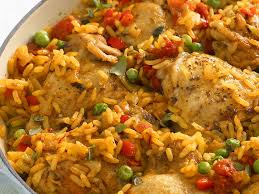
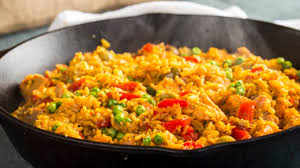
download (8)ARROZ CON POLLO -CHICKEN WITH RICE- STAR OF THE CUBAN CUISINE. PHOTOS/VIDEOS.

The Chinese may have brought rice to Spain in the 15th or 16th Century, but they were a little late to the party. The Arabs actually introduced rice to Spain in the 8th or 9th century. This according to one of our readers, David Wilmsen, Associate Professor of Arabic at The American University of Beirut!

According to David, “the Arabs got the rice from the Persians. One sure indicator that Arabs brought rice to Spain is that the Spanish word for rice sounds almost exactly like the Arabic: ar-ruz — even the r-r is rolled. Not only that but the word ‘paella’ comes from the Arabic word for leftovers ba’aaya.”

The Spanish people created many dishes that combine rice with seafood, meat, poultry, and sausages to create delicious dishes, such as arroz con pollo, paella, and mariscada. All these recipes combine rice with wine, olive oil, and spices to give it a wonderful aroma and delicious flavor. The Spanish colonization of Cuba introduced these culinary creations to Cuba later in the 16th century.

images (4)

The Cubans added tomato and garlic to these recipes, giving them a more “Cuban” touch. Arroz con Pollo is easy to prepare and very economical to make. Some of the best dishes include beer — it gives it a great flavor.

Arroz con pollo is enjoyed by many Latin cultures. The Cuban version is highly spiced — but NOT spicy hot. It’s a favorite Cuban Sunday lunch dish. In fact, this recipe had its origin in a recipe sent to us by an American lady who had fond memories of Cuban meals with her friend’s family.

CUBAN ARROZ CON POLLO – CHICKEN WITH RICE.
Prep time: 20 minutes
Cook time: 45 minutes
Total time: 1 hour 5 minutes
Yield: 8 servings
Arroz con pollo is enjoyed by many Latin cultures. The Cuban version is highly spiced — but NOT spicy hot. It’s a favorite Cuban Sunday lunch dish.

https://youtu.be/9obcuGAPr0Y
(Press ^ Here)
Arroz con Pollo Cuban Style.

INGREDIENTS:
4 strips bacon
8 chicken thighs, bone-in, skin on
To taste salt, pepper, and cumin for chicken
1/2 cup olive oil for frying
1 large onion, chopped
5 cachucha peppers, chopped (Substitute 1 large green or red pepper)
4 cloves garlic, mashed
1 12-ounce bottle of beer
3 and 1/2 cups chicken broth
1 (8-ounce) can tomato sauce
1/2 teaspoon Bijol Powder
1 bay leaf
2 teaspoons oregano
2 teaspoons cumin, ground
1 1/2 teaspoons salt
1/2 teaspoon black pepper
3 1/2 cups parboiled rice
1/2 cup frozen green baby peas

download (9)

Sauté the bacon in a large frying pan. Reduce heat to low and let the fat render out of the bacon — about 10 minutes. Meanwhile, season the chicken lightly with salt, pepper, and a little cumin. Once the fat is released, remove the bacon, increase the temperature to medium-high, and add the chicken to the hot bacon fat. Remove the chicken when it is browned on both sides.

Add a little olive oil to the same pan you fried the chicken in, and sauté the onion and green pepper until the onion is translucent. Add the mashed garlic and cook an additional minute or two, stirring frequently.

Take the chicken broth and beer and pour them into a large covered pot. Add the browned chicken pieces, cooked onions and green pepper, tomato sauce, Bijol, bay leaf, oregano, cumin, salt, and pepper. And hey, why let all that delicious bacon go to waste? Chop it up and toss it in! Bring everything to a rolling boil, reduce heat, cover and cook on low for 15 minutes.

download (10)

Add the rice. Bring to a boil and reduce heat. When the rice has absorbed some of the liquid, cover and simmer on low for about 30-45 minutes, or until the rice is fully cooked and not soupy. Add the frozen peas during the last five minutes of cooking only.

For a dinner, serve the whole chicken pieces with rice. For a party, you may remove the chicken, skin, de-bone and break it into bite-size chunks. However, DO NOT try to substitute any boneless, skinless chicken in this recipe — unless you enjoy serving a disaster!

Bon Appetit!

DpD2pAaXoAAVsDO

logo

download (11)ARROZ CON POLLO -POLLO CON ARROZ- ESTRELLA DE LA COCINA CUBANA. FOTOS Y VIDEOS.

Los chinos pueden haber traído arroz a España en el siglo XV o XVI, pero llegaron un poco tarde a la fiesta. Los árabes introdujeron el arroz en España en el siglo VIII o IX. ¡Esto según uno de nuestros lectores, David Wilmsen, profesor asociado de árabe en la Universidad Americana de Beirut!

Según David, “los árabes obtuvieron el arroz de los persas. Un indicador seguro de que los árabes trajeron arroz a España es que la palabra en español para arroz suena casi exactamente como la árabe: ar-ruz, incluso la r-r está enrollada. No solo eso, sino que la palabra ‘paella’ proviene de la palabra árabe para las sobras de ba’aaya “.

Los españoles crearon muchos platos que combinan arroz con mariscos, carnes, aves y salchichas para crear platos deliciosos, como arroz con pollo, paella y mariscada. Todas estas recetas combinan arroz con vino, aceite de oliva y especias para darle un aroma maravilloso y delicioso sabor. La colonización española de Cuba introdujo estas creaciones culinarias en Cuba a finales del siglo XVI.

Los cubanos agregaron tomate y ajo a estas recetas, dándoles un toque más “cubano”. Arroz con Pollo es fácil de preparar y muy económico de hacer. Algunos de los mejores platos incluyen la cerveza, que le da un gran sabor.

El arroz con pollo es disfrutado por muchas culturas latinas. La versión cubana es muy especiada, pero NO picante. Es uno de los platos favoritos del almuerzo dominical cubano. De hecho, esta receta tuvo su origen en una receta que nos envió una dama estadounidense que tenía buenos recuerdos de las comidas cubanas con la familia de su amiga.

https://youtu.be/qdgUWyA-bsg
(Presione ^ Aqui)
Arroz con Pollo estilo Cubano.

CUBAN ARROZ CON POLLO
Tiempo de preparación: 20 minutos.
Tiempo de cocción: 45 minutos.
Tiempo total: 1 hora 5 minutos
Rendimiento: 8 porciones
El arroz con pollo es disfrutado por muchas culturas latinas. La versión cubana es muy especiada, pero NO picante. Es un platillo cubano favorito para el almuerzo dominical.

download (12)

INGREDIENTES:
4 tiras de tocino
8 muslos de pollo, con hueso, con piel
Para probar sal, pimienta y comino para pollo
1/2 taza de aceite de oliva para freír
1 cebolla grande picada
5 chiles cachucha, picados (sustituye por 1 pimiento verde o rojo grande)
4 dientes de ajo machacados
1 botella de cerveza de 12 onzas
3 y 1/2 tazas de caldo de pollo
1 lata (8 onzas) de salsa de tomate
1/2 cucharadita de polvo de Bijol
1 hoja de laurel
2 cucharaditas de orégano
2 cucharaditas de comino molido
1 1/2 cucharaditas de sal
1/2 cucharadita de pimienta negra
3 1/2 tazas de arroz sancochado
1/2 taza de guisantes tiernos congelados

images (2)

Sofreír el tocino en una sartén grande. Reduzca el fuego a bajo y deje que la grasa se deshaga del tocino, aproximadamente 10 minutos. Mientras tanto, sazone el pollo ligeramente con sal, pimienta y un poco de comino. Una vez que se libere la grasa, retire el tocino, aumente la temperatura a media-alta y agregue el pollo a la grasa del tocino caliente. Retire el pollo cuando esté dorado por ambos lados.

Agrega un poco de aceite de oliva a la misma sartén en la que fritaste el pollo y sofríe la cebolla y el pimiento verde hasta que la cebolla esté transparente. Agregue el ajo machacado y cocine uno o dos minutos más, revolviendo con frecuencia.

images (3)

Toma el caldo de pollo y la cerveza y viértelos en una olla grande tapada. Agregue los trozos de pollo dorado, las cebollas cocidas y el pimiento verde, la salsa de tomate, el bijol, la hoja de laurel, el orégano, el comino, la sal y la pimienta. Y oye, ¿por qué dejar que todo ese delicioso tocino se desperdicie? ¡Córtalo y échalo! Lleve todo a ebullición, reduzca el fuego, cubra y cocine a fuego lento durante 15 minutos.

Agrega el arroz. Llevar a ebullición y reducir el fuego. Cuando el arroz haya absorbido algo del líquido, cubra y cocine a fuego lento durante unos 30-45 minutos, o hasta que el arroz esté completamente cocido y no espeso. Agregue los guisantes congelados solo durante los últimos cinco minutos de cocción.

Para la cena, sirva los trozos de pollo enteros con arroz. Para una fiesta, puede quitar el pollo, la piel, deshuesarlo y partirlo en trozos del tamaño de un bocado. Sin embargo, NO intente sustituir ningún pollo deshuesado y sin piel en esta receta, ¡a menos que disfrute servir un desastre!

¡Buen provecho!

Agencies/ ThreeGuysFromMiami/ Internet Photos/ YouTube/ ArnoldoVarona/ www.TheCubanHistory.com
THE CUBAN HISTORY, HOLLYWOOD.

unnamed (2)

logo

slide6-1