Alexis Puentes better known by his stage name Alex Cuba is a Cuban-Canadian singer-songwriter who sings in Spanish and English. He has won two Juno Awards for World Music Album of the Year: in 2006 for ‘Humo de Tabaco’, and in 2008 for his second album, ‘Agua del Pozo’. In 2010 he won the Latin Grammy for Best New Artist. His 2015 album, ‘Healer’, earned him a Latin Grammy Award for Best Singer-Songwriter Album and a Grammy Award nomination for Best Latin Pop Album. Now comes with “Esta Situacion” one of his last compositions.
Alexis Puentes mejor conocido por su nombre artístico Alex Cuba es un cantautor cubano-canadiense que canta en español e inglés. Ha ganado dos premios Juno al Álbum de Música del Mundo del Año: en 2006 por ‘Humo de Tabaco’ y en 2008 por su segundo álbum, ‘Agua del Pozo’. En 2010 ganó el Grammy Latino al Mejor Artista Nuevo. Su álbum de 2015, ‘Healer’, le valió un premio Grammy Latino al Mejor Álbum de Cantante y Compositor y una nominación al Premio Grammy al Mejor Álbum de Pop Latino. Ahra nos trae “Esta Situacion” una de sus ultimas composiciones.
Agencies/ AlexCubaVideo/ Internet Photos/ YouTube/ Arnoldo Varona/ www.TheCubanHistory.com
THE CUBAN HISTORY, HOLLYWOOD.
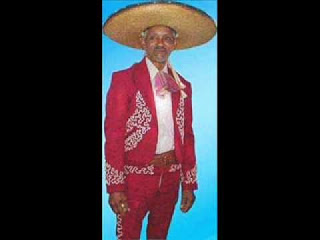
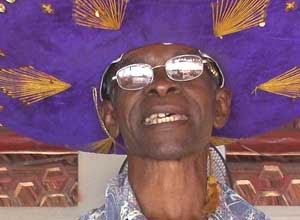
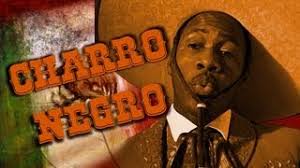
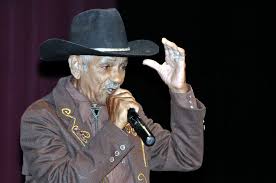
But do not think that ‘Charro Negro’ in Cuba there is only one, there are two. Franklyn Delano Smith introduces himself as the only black ranchera singer and says that he feels Mexican by strength and heart, although he carries a pistol with details of Cuban Santeria on his belt. “I feel like a ranchero, I feel Mexican and I give my life for ranchera music,” repeats Smith, star of the documentary El Charro Negro (2012), by the filmmakers Diego Enríquez (Mexico), Margarita González (Colombia) and Carmen Romero (Cuba ).
“They say they have never seen a black Mexican because you are already seeing him…”, affirms the singer, who is a native of Palmarito de Cauto, in eastern Cuba. In his family, there has been no tradition of ranchera music, but he became an admirer of everything Mexican from a young age listening to “El Jinete” in the voice of Jorge Negrete. He began singing in the peña de Lolita López, in the central Payret cinema in Havana.
He tells that he was already in Mexico and sang with the great Vicente Fernández, who gave him the luxurious mariachi hat that now accompanies him.
“He is a simply fascinating character,” said actor and singer of country music Ramóncitín Veloz, who discovered Smith watching the documentary for a presentation on Channel 41 in Miami. Veloz, who comes from an emblematic family of farmers of peasant music, grandson of Ramón and Coralia, recalled that traditionally there has been a great root of Mexican rancheras and corridos in the Cuban countryside, especially in the areas of Pinar del Río and the provinces central and eastern parts of the country.
Programs on Cuban radio such as “De México, sus Canciones”, on the provincial radio station Radio Sancti Spíritus, and many others on the more than one hundred Cuban stations, maintain daily programming with traditional Mexican genres. And I believe and I am aware of the medium, that there is a revolt in the town where its station takes a Mexican music program off the air. Even Mexican music interpretation contests are held in Cuba every year.
But Smith doesn’t seem like the only black charro in the country. In the Granma province lives another singer of Mexican folk genres, Luis Rey Palmero, known by the same artistic alias.
At least in his native Guantánamo, where the love for Mexican music endures, he continues to be a legend that remains valid among lovers of that musical genre even though he lives today in the city of Bayamo. He left for Havana in 1959 and began to sing in bars and canteens as they did before and he met in one of those places with a person who listened to him and then he put him in contact with the Corona record company and they invited him to Radio Progreso.
It is there where they make a recording of him, and he tells him without thinking twice: “you are going to name yourself El Charro Negro”, Luis liked it and from that moment he began to use it. Then we went for a walk around the city and at that time in almost all the establishments there were victrolas and the song was heard in all of them, it was like a chain, like something from a movie.
He arrived home and had several telegrams asking him to go to Havana to make other recordings, the ones he made with Disco Corona, Maype, and Egrem. He worked in almost all the night cabarets of the time in Havana: the Vía Blanca, El Palermo, El Nacional, and even sang with María de Lourdes on her visit to Cuba.
He visited Mexico in 1961 and 1976. He sang in Guadalajara with the ‘Mariachi Cuba’ that is, he went dancing at the house of the trump.
Nothing, that in Cuba instead of one, we have two black charros and in Mexico there are none. Well yes, there is a black charro: a cocktail made with white tequila, cola, salt, and lemon. That Black Charro doesn’t sing, but he makes you sing.
Pero no crean que Charro Negro en Cuba hay uno solo, son dos. Franklyn Delano Smith se presenta como el único cantante negro de rancheras y dice que se siente mexicano por fuerza y corazón, aunque lleva al cinto una pistola con el detalle de la santería cubana. “Me siento ranchero, me siento mexicano y doy mi vida por la música ranchera”, repite Smith, protagonista del documental El Charro Negro (2012), de los realizadores Diego Enríquez (México), Margarita González (Colombia) y Carmen Romero (Cuba).
“Dicen que nunca han visto un mexicano negro, pues ya lo estás viendo…”, afirma el cantante, que es oriundo de Palmarito de Cauto, en el oriente cubano. En su familia no ha habido tradición de música ranchera, pero él se convirtió desde joven en admirador de todo lo mexicano escuchando “El jinete” en la voz de Jorge Negrete. Empezó cantando en la peña de Lolita López, en el céntrico cine Payret de La Habana.
Cuenta que estuvo ya en México y cantó junto al gran Vicente Fernández, quien le obsequió el lujoso sombrero de mariachi que ahora lo acompaña.
“Es un personaje sencillamente fascinante”, dijo el actor y cantante de música campesina Ramóncitín Veloz, quien descubrió a Smith viendo el documental para una presentación en el Canal 41 de Miami. Veloz, que proviene de una emblemática familia de cultores de la música campesina, nieto de Ramón y Coralia, recordó que tradicionalmente ha existido un gran arraigo de rancheras y corridos mexicanos en el campo cubano, especialmente en las zonas de Pinar del Río y las provincias centrales y orientales del país.
Programas en la radio cubana como “De México, sus canciones”, en la emisora provincial Radio Sancti Spíritus, y tantos otros en las más de cien emisoras cubanas, mantienen una programación diaria con los géneros tradicionales mexicanos. Y creo y soy conocedor del medio, que hay un revuelta en el pueblo donde su emisora saque del aire un programa de música mexicana. Hasta concursos de interpretación de música mexicana se realizan en Cuba todos los años.
Pero Smith no parece ser el único charro negro del país. En la provincia Granma vive otro cantante de los géneros folclóricos mexicanos, Luis Rey Palmero, conocido por el mismo alias artístico.
Al menos en su natal Guantánamo, donde el amor por la música mexicana perdura, él sigue siendo una leyenda que se mantiene vigente entre los amantes de ese género musical aunque viva hoy en la ciudad de Bayamo. Se fue para La Habana en 1959 y comenzó a a cantar en bares y cantinas como se hacia antes y se encontró en uno de esos lugares con una persona que lo escuchó y entonces lo pone en contacto con la disquera Corona y lo invitan a Radio Progreso.
Es ahí donde le hacen una grabación, y le dice sin pensarlo dos veces: “tú te vas a nombrar El Charro Negro”, a Luis le gustó y desde ese mismo momento comenzó a usarlo. Después salimos a caminar por la ciudad y en ese tiempo en casi todos los establecimiento habían victrolas y en todos se escuchaba la canción, era como una cadena, como una cosa de película.
Llegó a su casa y tenía varios telegramas que le pedían que fuera para La Habana para hacer otras grabaciones las que hizo con Disco Corona, Maype y la Egrem. Trabajó en casi todos los cabarets nocturnos de la época en La Habana: el Vía Blanca, El Palermo, El Nacional, y hasta cantó con María de Lourdes en su visita a Cuba.
Visitó México en 1961 y 1976. Cantó en Guadalajara junto al ‘Mariachi Cuba’ o sea que fue a bailar a la casa del trompo.
Nada, que en Cuba en lugar de uno, tenemos dos charros negros y en México no hay ninguno. Bueno si, hay un charro negro: un coctel hecho con tequila blanco, refresco de cola, sal y limón. Ese Charro Negro no canta, pero te hace cantar.
Agencies/ MemoriasCubanas/ Carlos Rodriguez/ Internet Photos/ YouTube/ Arnoldo Varona/ www.TheCubanHistory.com
THE CUBAN HISTORY, HOLLYWOOD.
Adrián Di Monte was born in Santa Clara, Cuba on July 30, 1990. He is a Cuban Television actor and singer.
At the age of 15, he left Cuba and moved with his family to the United States. Passionate about art since he was a child, especially painting, he decided when the time came to opt for architecture, a career that ended but never practiced because acting accidentally crossed his path.
He started his acting career in 2010 with a role in the Univision telenovela, Eva Luna. He later appeared in another telenovela of Telemundo called ‘Aurora’, and then in ‘Mi corazón insiste’ en Lola Volcán, and in 2013 was cast in the recurring role in the Univision telenovela ‘Rosario’, playing Ignacio “Nacho” Gómez.
In 2014, he appeared on Cosita linda and Voltea pa’ que te enamores, an American remake of the Venezuelan telenovelas Cosita rica and Voltea pa’ que te enamores. In 2015, he appeared on ¿Quién es quién?, playing Eugenio Hernández. In 2016, he was part of the recurring cast of the series Señora Acero, also known as Señora Acero: La Coyote, playing Abelardo Casáres.
He also participated in the fourth season of the Mexican program ‘Bailando por un Sueño’, in which he obtained first place together with his dance partner Montserrat Yescas.
In 2017, he moved to Mexico, hired by the television station Televisa, with whom he signed an exclusive contract. In that year he participated in the role of Joe in the telenovela “La doble vida de Estela Carrillo” in which he shared credits with Erika Buenfil, Ariadne Díaz, and David Zepeda.
Since then he has performed in “Esta Historia me Suena”. “Cita a Ciegas” and in the programs ‘Terapia de Shock’ as Host and “Un Solo Mexico, La Fiesta” a TV Special.
(READ ADRIAN DI MONTE FILMOGRAPHY IN THE SPANISH SECTION).
Adrián Di Monte nació en Santa Clara, Cuba el 30 de julio de 1990. Es un actor y cantante de la Televisión Cubana.
A los 15 años salió de Cuba y se mudó con su familia a Estados Unidos. Apasionado del arte desde niño, especialmente de la pintura, decidió cuando llegó el momento de optar por la arquitectura, carrera que terminó pero que nunca practicó porque la actuación se cruzó accidentalmente en su camino.
Comenzó su carrera como actor en 2010 con un papel en la telenovela de Univision, Eva Luna. Posteriormente apareció en otra telenovela de Telemundo llamada ‘Aurora’, y luego en ‘Mi corazón insiste’ en Lola Volcán, y en 2013 fue elegido para el papel recurrente en la telenovela de Univision ‘Rosario’, interpretando a Ignacio “Nacho” Gómez.
En 2014, apareció en Cosita linda y Voltea pa ‘que te enamores, una nueva versión estadounidense de las telenovelas venezolanas Cosita rica y Voltea pa’ que te enamores. En el 2015 apareció en ¿Quién es quién ?, interpretando a Eugenio Hernández. En 2016, formó parte del elenco recurrente de la serie Señora Acero, también conocida como Señora Acero: La Coyote, interpretando a Abelardo Casáres.
También participó de la cuarta temporada del programa mexicano ‘Bailando por un Sueño’, en el que obtuvo el primer lugar junto a su compañera de baile Montserrat Yescas.
En 2017 se mudó a México, contratado por la estación de televisión Televisa, con quien firmó un contrato de exclusividad. En ese año participó en el papel de Joe en la telenovela “La doble vida de Estela Carrillo” en la que compartió créditos con Erika Buenfil, Ariadne Díaz y David Zepeda.
Desde entonces ha actuado en “Esta Historia me Suena”. “Cita a Ciegas” y en los programas ‘Terapia de Shock’ como Conductora y “Un Solo México, La Fiesta” un Especial de TV.
FILMOGRAFÍA.
Roles de televisión
2010 Eva Luna Humberto
2010 Aurora Unknown Man Episode: “Gran lanzamiento”
2011 Mi corazón insiste en Lola Volcán Papi 4 episodes
2013 Rosario Ignacio “Nacho” Gómez
2014 Cosita linda Santiago Rincón
2014 Voltea pa’ que te enamores Armando
2015–2016 ¿Quién es quién? Eugenio Hernández Main cast; 89 episodes
2016 Señora Acero Abelardo Casáres Recurring role (season 3); 47 episodes
2017 La doble vida de Estela Carrillo Joe Main cast; 68 episodes
2017 Bailando por un sueño Himself Winner on season 4
2018 Pequeños Gigantes Himself Judge on season 3
2018 Reto 4 elementos Himself Winner on season 2
2019 Esta historia me suena Guillermo Episode: Regálame
2019 Cita a ciegas Roberto “Bobby” Silva Esquivel Main cast
2019 Terapia de shock (TV Series) Self – Host
2019 Un solo México, la fiesta (TV Special) Self
Agencies/ Wiki/ IMDb/ Various/ Internet Photos/ YouTube/ Arnoldo Varona/ www.TheCubanHistory.com
THE CUBAN HISTORY, HOLLYWOOD.


 CUBAN MUSIC (2020)- ALEX CUBA SINGS “ESTA SITUACION”. VIDEO.