CUBANERIAS: Para nosotros, una «TONGA» es Mucho y una «ÑINGA» es un Poquito.

download (14)CUBANERIAS: PARA NOSOTROS UNA ‘TONGA’ ES MUCHO Y UNA ‘ÑINGA’ ES UN POQUITO.

Desde el comienzo de mis estudios primarios aprendí las unidades de medida más comunes y conocidas universalmente para medir: la estatura, el volumen, la distancia y el peso. Sin embargo cuando crecí me di cuenta que los cubanos tenemos nuestras propias medidas para referirnos a determinada cantidad.

Lo más probable es que si a cualquier persona del mundo le pregunten qué es una “tonga” se quede literalmente en Babia o responda que es una islita en medio del Océano Pacífico. Sin embargo si se tratase de un cubano no dudaría en responder que una “tonga” es una gran cantidad, o un “montón, bulto, burujón puñao”.

images (15)

Por ejemplo cuando alguien le preguntaba a mi mama si necesitaba algo de azúcar ella respondía: “-una ñinga nada más”, de ahí aprendí que ñinga era poca cantidad.

DE DONDE VIENEN LAS FRASES ?.

Pues sépase que estas palabras no salieron de la nada precisamente son un legado que nos dejó la cultura africana, específicamente la cultura Bantú cuya lengua matriz es el Kikóngo, esta precisamente no es la más conocida por los cubanos, quienes tenemos una especial tradición con el panteón Yoruba, sin embargo varios estudios han demostrado que la cultura Bantú, cuya religión es denominada genéricamente en Cuba como Regla de Palo Monte, ha hecho numerosos aportes a nuestro idioma.

images (13)

En cuanto a las unidades de medidas que tenemos en la isla además de una ñinga o una tonga, existe otra que usamos muchoen el argot popular, sin embargo todavía no encontré en mi persistente búsqueda donde se originó, ¿alguna vez cuando le han brindado una tacita de café usted no ha respondido? “- si quiero, pero un tilín nada más”. Bueno pues la palabra “tilín” o “tilincito” significa para nosotros los cubanos un poquito nada más.


la-isla-de-cuba

logo

images (16)CUBANERIAS: FOR US, A ‘TONGA’ IS A LOT AND A ‘ÑINGA’ IS A LITTLE.

From the beginning of my primary studies, I learned the most common and universally known units of measure for measuring: height, volume, distance, and weight. However, when I grew up I realized that Cubans have our own measures to refer to a certain amount.

Most likely, if anyone in the world is asked what a «tonga» is, they will literally stay in Babia or answer that it is a small island in the middle of the Pacific Ocean. However, if it were a Cuban, I would not hesitate to answer that a «tonga» is a large quantity, or a «heap, lump, burujón puñao.»

For example, when someone asked my mother if she needed some sugar, she would answer: «-una ñinga, nothing more», from there I learned that ñinga was a small quantity.

WHERE DO THE SENTENCES COME FROM?

Well, let it be known that these words did not come out of anywhere, they are precisely a legacy that the African culture left us, specifically the Bantu culture whose mother tongue is Kikóngo, this is precisely not the best known by Cubans, who have a special tradition with the Yoruba pantheon, however, several studies have shown that the Bantu culture, whose religion is generically known in Cuba as the Rule of Palo Monte, has made numerous contributions to our language.

images (14)

As for the units of measurements that we have on the island in addition to a ñinga or a tonga, there is another that we use a lot in popular slang, however, I still have not found in my persistent search where it originated, have you ever been given a cup of coffee you have not responded? «- if I want to, but nothing else.» Well, the word «tilín» or «tilincito» means for us Cubans a little nothing more.

Agencies/ HablandoCubano/ Celia Arevalo/ Internet Photos/ Arnoldo Varona/ www.TheCubanHistory.com
THE CUBAN HISTORY, HOLLYWOOD.

Ciudades-de-Cuba.Matanzas

logo
Ciudades-de-Cuba.Varadero

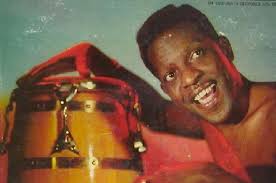
«EL GRAN FELLOVE», Cantante, Compositor Cubano con un Estilo Particular. VIDEOS.

download (8)«EL GRAN FELLOVE», CANTANTE Y COMPOSITOR CUBANO CON UN ESTILO PARTICULAR. VIDEOS.

Francisco Fellove Valdés también conocido como El Gran Fellove nació en el barrio de Colón, en la Habana, Cuba el 7 de octubre de 1923.

Fue un compositor y cantante cubano. Un prolífico compositor de la generación del sentimiento, es bien conocido por su particular estilo de canto scat conocido como chua chua.

Es autor de la famosa guaracha-pregón «Mango mangüé», grabada por Machito y Celia Cruz entre otros. Era primo del baterista de conga Carlos «Patato» Valdés.

images (11)

Inició su carrera musical como compositor, principalmente de guarachas, pero también de boleros como «Dos caminos», que escribió para Olga Guillot. Junto a otros autores de boleros, sones, canciones y guarachas, pasó a formar parte del llamado movimiento filin, donde comenzó a desarrollarse el formato descarga. Pronto, varias de sus guarachas se hicieron muy populares, especialmente «Para que tú lo bailes», «Mar como mar» y «Mango mangué». Este último, que compuso cuando solo tenía 17 años, fue grabado por numerosos artistas como Miguelito Valdés, Machito y sus afrocubanos con Charlie Parker, Celia Cruz con La Sonora Matancera, Tito Puente y Johnny Pacheco, además de Fellove a sí mismo. Basado en el tempo rápido de sus guarachas, que denominó «chua chua», Fellove desarrolló una técnica de canto scat junto con su compañero vocalista Dandy Crawford.

En 1952 Fellove participó en algunas de las descargas dirigidas por Julio Gutiérrez en Panart Studios en La Habana (estrenadas en 1956).

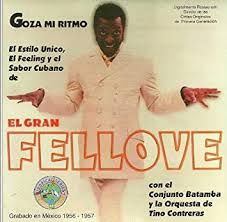
En diciembre de 1955 se mudó a México con su compañero compositor filin José Antonio Méndez y se unió al grupo de cha-cha-cha Conjunto Batamba. En 1956 conoció al promotor mexicano y director de RCA Victor en México, Mariano Rivera Conde, quien le dio el sobrenombre de «El Gran Fellove», dando inicio a su carrera en solitario. Entre sus primeras grabaciones en solitario para RCA Victor se encuentran «Mango mangüé», «El jamaiquino» de Niño Rivera y «Azul pintado de azul», con el respaldo de Lobo y Melón. En 1957, RCA Victor lanzó un LP de las grabaciones de Fellove titulado El Gran Fellove.

https://youtu.be/tkWcMYT9SYs

En la década de 1960, Fellove cambió de RCA Victor a Musart, lanzando Watusi en 1966.

Fellove continuó grabando y actuando en México, Estados Unidos y en toda América Latina. Tocó con Tito Puente y Machito en la ciudad de Nueva York. En 1979 lanzó su último disco como líder con su Conjunto Habana con Niño Rivera en tres. En 2002 grabó una versión de «Walking on the Moon».

Fellove murió en el Hogar de Ancianos de los Artistas el 15 de febrero de 2013 en Ciudad de México.

DISCOGRAFIA.

1957: El Gran Fellove (RCA Victor)
1958: Chua chua con su creador El Gran Fellove, Vol. II (RCA Victor)
1965: Goza mi ritmo (Otra/RCA Victor)
1966: Watusi (Musart)
1973: El que inventó la salsa (Gema)
1977: Salsa con Fellove (Gas); reissued as La escena presenta al Gran Fellove (La Escena)
1979: Fellove (Areito) – with Conjunto Habana

playas-de-varadero-cuba

logo

DpD2pAaXoAAVsDO

images (12)«THE GREAT FELLOVE», A CUBAN SINGER AND COMPOSER WITH A PARTICULAR STYLE. VIDEOS.

Francisco Fellove Valdés also known as El Gran Fellove was born in the neighborhood of Colon, en la Habana, Cuba on October 7, 1923. He was a Cuban songwriter and singer. A prolific composer of the feeling generation, he is well known for his particular style of scat singing known as chua chua.

He is the author of the famous guaracha-pregón «Mango mangüé», recorded by Machito and Celia Cruz among others. He was the cousin of conga drummer Carlos «Patato» Valdés.

He started his musical career as a songwriter, primarily of guarachas, but also of boleros such as «Dos caminos», which he wrote for Olga Guillot. Together with other authors of boleros, sones, canciones and guarachas, he became part of the so-called filin movement, where the descarga format began to develop. Soon, several of his guarachas became very popular, especially «Para que tú lo bailes», «Sea como sea» and «Mango mangué». The latter, which he composed when he was only 17 years old, was recorded by numerous artists including Miguelito Valdés, Machito and his Afro-Cubans featuring Charlie Parker, Celia Cruz with La Sonora Matancera, Tito Puente, and Johnny Pacheco, as well as Fellove himself. Based on the fast tempo of his guarachas, which he termed «chua chua», Fellove developed a scat singing technique together with fellow vocalist Dandy Crawford.

download (10)

In 1952, Fellove took part in some of the descargas (jam sessions) directed by Julio Gutiérrez at Panart Studios in Havana (released in 1956).

In December 1955 he moved to Mexico with fellow filin songwriter José Antonio Méndez and joined the cha-cha-cha group Conjunto Batamba. In 1956 he met Mexican promoter and head of RCA Victor in Mexico Mariano Rivera Conde, who gave him the nickname «El Gran Fellove», kickstarting his solo career. Among his first solo recordings for RCA Victor were «Mango mangüé», Niño Rivera’s «El jamaiquino» and «Azul pintado de azul», backed by Lobo y Melón. In 1957, RCA Victor released an LP of Fellove’s recordings entitled El Gran Fellove.

In the 1960s, Fellove switched from RCA Victor to Musart, releasing Watusi in 1966.

images (8)

Fellove continued to record and perform in Mexico, the US, and throughout Latin America. He played with Tito Puente and Machito in New York City. In 1979 he released his last album as a leader with his Conjunto Habana featuring Niño Rivera on tres. In 2002 he recorded a cover version of «Walking on the Moon».

Fellove died on the Mexican Artist Nursing home on February 15, 2013, in Mexico City.

(READ «THE GREAT FELLOVE PERFORMANCES IN THE SPANISH SECTION)

Agencies/ Wiki/ Various/ Internet Photos/ YouTube/ Arnoldo Varona/ www.TheCubanHistory.com
LA HISTORIA DE CUBA, HOLLYWOOD.

unnamed (1)

logo

Sin-título-1

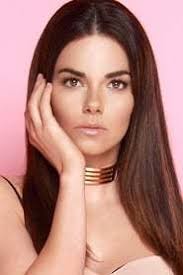
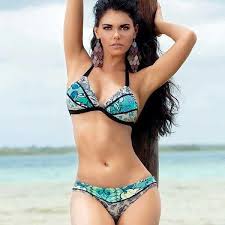
LIVIA BRITO, Bella, Talentosa Actriz y Modelo Cubana. Telenovelas. PHOTOS / VIDEOS.

download (3)LIVIA BRITO, BELLA, TALENTOSA ACTRIZ Y MODELO CUBANO. TELENOVELAS. FOTOS Y VIDEOS.

Livia Brito Pestana nació en Ciego de Avila, Camagüey el 21 de julio de 1986, y es una actriz y modelo cubana que ganó popularidad luego de debutar como actriz en la telenovela ‘Triunfo del Amor’ de Televisa.

Hija del actor Rolando Brito Rodríguez y Gertrudis Pestana, su familia emigró a México en el año 2000. Brito tenía entre 13 y 14 años en ese momento.

Un año después de instalarse en la Ciudad de México, su padre abrió un restaurante llamado ‘La Cubana’, que ofrecía platillos tradicionales cubanos. Brito trabajó como mesera en el restaurante familiar y luego como modelo, para ayudar a pagar sus estudios en Administración de Empresas.

Representó a México en la edición 2009 de la Reina Mundial del Banano, finalizando como primera finalista y premiada como Miss Photogenic. Luego se inscribió en el Centro de Educación Artística (CEA) de Televisa. Su talento se atribuye a la herencia, proveniente de una familia artística. Su padre era un actor destacado en Cuba, mientras que su madre era una importante bailarina de ballet.

CARRERA ARTÍSTICA DE LIVIA.

En 2010 debutó como Fernanda Sandoval Gutiérrez en ‘Triunfo del amor’, producido por Salvador Mejía.

En 2012, protagonizó (en un papel secundario) como Paloma González en ‘Abismo de pasión’, producido por Angelli Nesma Medina. Protagonizó la telenovela de Lucero Suárez: ‘De Que Te Quiero, Te Quiero’, marcando la primera vez que protagoniza como protagonista. Luego protagonizó una vez más como protagonista en la nueva telenovela de Pedro Damián ‘Muchacha italiana viene a casarse’ junto a José Ron. Interpretó a Maribel Guardia en la serie mexicana ‘Por Siempre Joan Sebastian’. Últimamente ha protagonizado ‘Medicos, linea de vida’.

FILMOGRAFÍA.

2013 No sé si cortarme las venas o dejármelas largas Chantal
2014 Volando bajo Ana Bertha Miranda
2014 La dictadura perfecta Jazmín
TBA Juan Apóstol, el más amado María, madre de Jesús Postproducción

TELEVISIÓN.

2010–2011 Triunfo del amor Fernanda Sandoval Papel recurrente; 158 episodios
2012 Abismo de pasión Paloma Papel recurrente; 135 episodios
2013–2014 De que te quiero, te quiero Natalia Pabuena Papel principal; 187 episodios
2014–2015 Muchacha italiana viene a casarse Fiorella Bianchi Papel principal; 177 episodios
2016 Por Siempre Joan Sebastian Maricruz Guardia Papel principal; 10 episodios
2017-2018 La Piloto Yolanda Cadena Papel principal (temporada 1-2); 162 episodios
2017 La doble vida de Estela Carrillo Yolanda Cadena Episodio: «Final: Part 2»
2019 Médicos Regina Villaseñor Rol principal; 87 episodios

download (4)

PREMIOS Y NOMINACIONES.
Premios TVyNovelas

Ganó Triunfo del Amor a Mejor Actriz Protagónica Joven 2012
2013 Abismo de Pasión
2016 Mejor actriz principal Muchacha italiana viene a casarse Nominada
Premio de la Asociación de Críticos y Periodistas Teatrales (ACPT)
Año Categoría Resultado Nominado
2012 Mejor Revelación en Teatro El Cartero ganó

unnamed

logo

playas-de-varadero-cuba

download (6)LIVIA BRITO, BEAUTIFUL AND TALENTED CUBAN ACTRESS, AND MODEL. TELENOVELAS. PHOTOS/VIDEOS.

Livia Brito Pestana was born in Ciego de Avila, Camaguey on July 21, 1986, and she is a Cuban actress and model who gained popularity after making her acting debut in Televisa’s telenovela ‘Triunfo del Amor’.

The daughter of actor Rolando Brito Rodríguez and Gertrudis Pestana, her family immigrated to Mexico in the year 2000. Brito was between 13 and 14 years of age at the time.

A year after settling in Mexico City, her father opened a restaurant called ‘La Cubana’, which offered traditional Cuban dishes. Brito worked as a waitress at the family restaurant, and later as a model, to help pay for her studies in Business Administration.

download (2)

She represented Mexico in the 2009 edition of the Reina Mundial del Banano, finishing as first runner-up and awarded Miss Photogenic. She later enrolled in Televisa’s Centro de Educación Artística (CEA). Her talents attributed to heredity, coming from an artistic family. Her father was a leading actor in Cuba, while her mother was a major ballet dancer.

LIVIA ARTISTIC CAREER.

In 2010, she made her debut as Fernanda Sandoval Gutierrez in ‘Triunfo del amor’, produced by Salvador Mejía.

In 2012, she starred (in a supporting role) as Paloma Gonzalez in ‘Abismo de pasión’, produced by Angelli Nesma Medina. She starred in Lucero Suárez’s telenovela: ‘De Que Te Quiero, Te Quiero’, marking the first time she stars as the protagonist. She then starred as the protagonist once more in Pedro Damian’s new telenovela ‘Muchacha italiana viene a casarse’ alongside Jose Ron. She starred as Maribel Guardia in the Mexican series ‘Por Siempre Joan Sebastian’. Lately, she has starred in ‘Medicos, linea de vida’.

(READ LIVIA BRITO FILMOGRAPHY AND AWARDS IN THE SPANISH SECTION).

Agencies/ Wiki/ Various/ Internet Photos/ YouTube/ Arnoldo Varona/ www.TheCubanhistory.com
LA HISTORIA DE CUBA, HOLLYWOOD.

vinales-portada-1024x535

logo

Vista del Yunque 2