 EN EL CARIBE, CUBA TIENE LA MAYOR VARIEDAD DE PLANTAS ENDEMICAS. PHOTOS.
Una especie endémica es aquella que está restringida a una ubicación geográfica muy específica y que no se halla en otra parte. La extensión geográfica puede ser muy variable existiendo especies endémicas de una población determinada o de una provincia, país, etc.
En Cuba se encuentran más de 6 300 especies, existiendo 33 áreas de alto endemismo vegetal, delimitadas de acuerdo con las semejanzas florísticas de cada grupo.
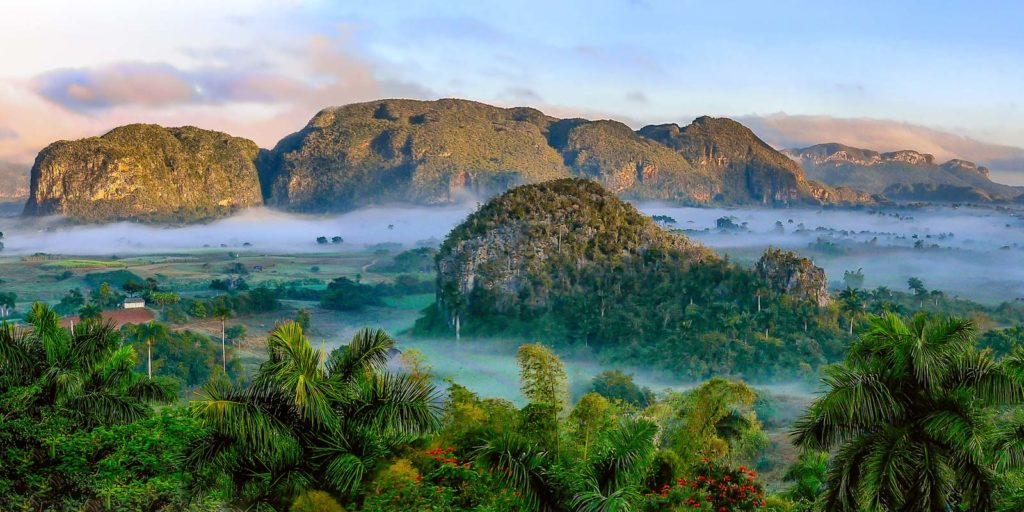
Son varios los que han influido favorablemente en el alto endemismo, la gran diversidad de la flora cubana y la existencia de impresionantes paisajes naturales.
En la región de Moa crecen bellos pinares sobre suelos ácidos. Y en su parte central hallamos vegetación selvática, húmeda y tropical. Al norte de la provincia de Holguín, es la más antigua de la isla. Llamada “jardín de Cuba” por los botánicos, muestra una flora rica en especies y allí viven las plantas más antiguas del país. La zona Occidental incluye las Sierras del Rosario y de los Órganos y el Pan de Guajaibón, y en la Oriental se ubica las serranías de Nipe Crista Baracoa Moal, y el gran macizo montañoso de la Sierra Maestra.
En las elevaciones de la zona oriental la flora es clasificada, generalmente, como tropical, mientras que en Occidente, sobre todo en Pinar del Río e Isla de la Juventud, la vegetación es considerada sub-tropical, con mayor número de especies endémicas. En la zona occidental de la isla hay especies cubanas como las cuatro ya conocidas de pino, pero que no son consideradas tropicales. También crece el llamado encino de Pinar del Río.
Una de las especies de flores más grande del mundo solo se encuentra en Cuba, se trata de la solandra grandiflora que puede medir 30 cms en su corola. La orquídea más pequeña del planeta solo se encuentra el territorio cubano y es la pleurothallis safari, cuya flora solo mide 2 milímetros.
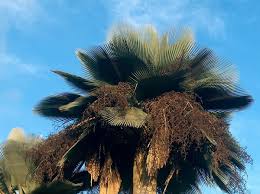
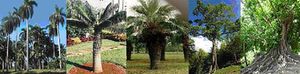
* Palma Hemithrinax ekmaniana: Esta palmácea, endémica de Cuba, solo habita en tres de las ocho colinas del municipio de Sagua la Grande, provincia de Villa Clara. Considerada como estrafalaria, por sus características externas, es también conocida como palma de globo, porque el penacho semeja una enorme esfera al estar conformado por las hojas que se mantienen unidas sin caer.
* La palma corcho Microcycas Calocoma: originaria de Cuba, es considerada una planta fósil y sólo se encuentra en la provincia Pinar del Río, existen alrededor de mil ejemplares y se considera de origen prehistórico.
* Palma Barrigona Calpo thrinax wrightii: Endémica del occidente cubano se encuentra distribuida por toda la geografía del territorio y la Isla de la Juventud, en épocas precedentes el número de ejemplares era abundante, sin embargo, las talas rasas con buldozers para el empleo de esas áreas en cultivos y la crianza de ganado, provocaron su rápida reducción.
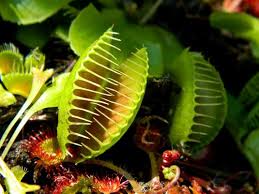
* El Jagüey Blanco (Ficus citrifolia): es un árbol muy común en Cuba, crece por lo general abrazado a otro árbol al que acaba por matar, tienen un follaje atractivo pero una forma torcida y con muchas ramas, a menudo con raíces adventicias que se enrollan alrededor de sus troncos. Las plántulas se establecen en las copas de otros árboles, en las salientes rocosas, los acantilados y los edificios de ladrillos o piedra, pero rara vez o nunca en la superficie sombreada del bosque.
* La Ceiba (Ceiba pentandra), el árbol sagrado del kapoc (un tipo de algodón) y venerado en varias de las religiones que se practican en Cuba, es un árbol gigantesco, majestuoso, nativo y considerado uno de los más representativos de la flora cubana; pueden alcanzar hasta 60 metros de altura, pasando por encima de los demás árboles del monte.
* Microcycas calocoma: (Miq.) es una cícada de la familia Zamiaceae, endémica de Cuba y única de su género. Tiene apariencia de palma, y al igual que todos los miembros de este orden es una especie dioica. Es exclusiva de la provincia de Pinar del Río en Cuba. La planta alcanza tamaño arbóreo, hasta 11 m de altura en los lugares resguardados de fuertes vientos. Las plantas típicas son de tronco no ramificado.
Dentro de la flora se encuentran
Flores endémicas
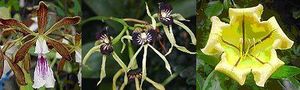
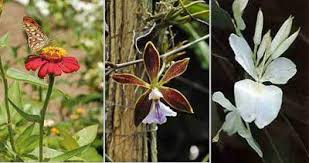
* Orquídea Mariposa (Encyclia bocourtii)es una especie botánica de planta con flor en la familia de las órquídeas, subfamilia Epidendroideae. Fue descubierta para la ciencia en Sierra del Rosario, a finales del Siglo XX, es endémica a la Península de Guanahacabibes, Crece de pseudobulbos verdes o grises de 7 cm; follaje angosto de 16 cm x 2 cm Las plantas madura producen una inflorescencia ramada, con varias flores alternas, con sépalos verde a bronce, y pétalos rodeando un labio blanco con un punto púrpura. De 2,5 cm de diámetro, fragantes. Presenta muchas variaciones de color y marcas; se producen hibridaciones naturales en el ambiente.
* La Orquidea Negra (Prosthechea cochleata), sólo se le encuentra en la Península de Guanahacabibes, es denominada Orquidea Negra a causa del predominio del púrpura intenso, presenta sépalo y pétalos dispuestos hacia abajo como las patas de una araña o los tentáculos de un pulpo.
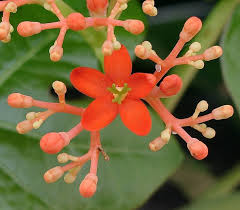
* La Caliz (Solandra Grandiflora) es una de las especies de flores de mayor tamaño del mundo. Es una enredadera sorprendente con hojas satinadas y llamativas grandes flores que van desde blanco a amarillas. Las flores tienen de 6 – 8 pulgadas en forma de cáliz. Tienen los pétalos amarillos, con 5 líneas moradas. Florecen generalmente de febrero hasta mayo.
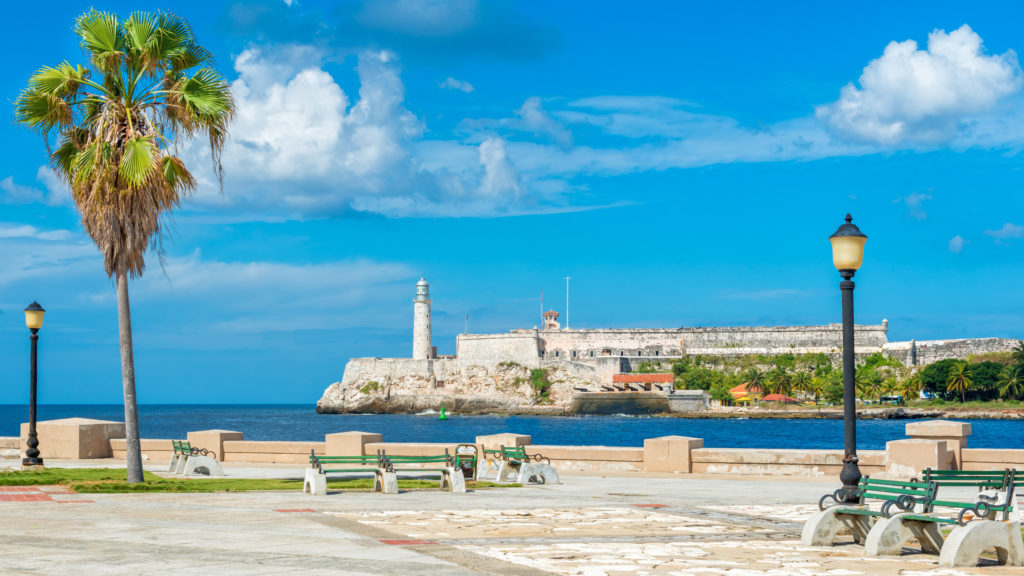

 IN THE CARIBBEAN, CUBA HAS THE GREATEST VARIETY OF ENDEMIC PLANTS.
An endemic species is one that is restricted to a very specific geographic location and is not found elsewhere. The geographical extension can be very variable, existing endemic species of a certain population or of a province, country, etc.
In Cuba there are more than 6,300 species, there are 33 areas of high plant endemism, delimited according to the floristic similarities of each group.
Several have favorably influenced the high endemism, the great diversity of Cuban flora, and the existence of impressive natural landscapes.
In the Moa region, beautiful pine forests grow on acidic soils. And in its central part, we find jungle, humid and tropical vegetation. North of Holguín province, it is the oldest on the island. Called “Cuba’s garden” by botanists, it displays a flora rich in species and the oldest plants in the country live there. The Western zone includes the Sierras del Rosario and de Los Órganos and the Pan de Guajaibón, and in the Oriental are the Nipe Crista Baracoa Moal mountainous areas, and the great mountain range of the Sierra Maestra.
In the elevations of the eastern zone, the flora is generally classified as tropical, while in the west, especially in Pinar del Río and Isla de la Juventud, the vegetation is considered sub-tropical, with a greater number of endemic species. In the western part of the island, there are Cuban species like the four already known pine, but which are not considered tropical. The so-called oak of Pinar del Río also grows.
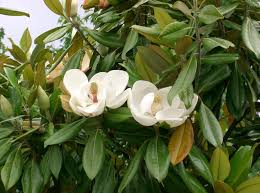
One of the largest flower species in the world is only found in Cuba, it is the solandra grandiflora that can measure 30 cm in its corolla. The smallest orchid on the planet is only found in the Cuban territory and is the pleurothallis safari, whose flora is only 2 millimeters.
* Hemithrinax ekmaniana palm: This palm, endemic to Cuba, only inhabits three of the eight hills in the municipality of Sagua la Grande, province of Villa Clara. Considered quirky, due to its external characteristics, it is also known as a globe palm, because the plume resembles a huge sphere as it is made up of leaves that are held together without falling.
* The Microcycas Calocoma cork palm: native to Cuba, it is considered a fossil plant and is only found in the Pinar del Río province, there are around a thousand specimens and it is considered of prehistoric origin.
* Palma Barrigona Calpo thrinax wrightii: Endemic to western Cuba, it is distributed throughout the geography of the territory and the Isla de la Juventud, in previous times the number of specimens was abundant, however, clean fellings with bulldozers for the use of these cultivated areas and cattle raising caused their rapid reduction.
* The White Jagüey (Ficus citrifolia): It is a very common tree in Cuba, it grows generally hugging another tree that it ends up killing, they have attractive foliage but a twisted shape and many branches, often with adventitious roots that they wrap around their trunks. Seedlings settle on the tops of other trees, on rock ledges, cliffs, and brick or stone buildings, but rarely or never on the shady surface of the forest.
* The Ceiba (Ceiba pentandra), the sacred kapok tree (a type of cotton) and venerated in several of the religions practiced in Cuba, is a gigantic, majestic, native tree and considered one of the most representative of the flora Cuban they can reach up to 60 meters in height, passing over the other trees of the forest.
* Microcycas calocoma: (Miq.) It is a cycad of the Zamiaceae family, endemic to Cuba and unique of its kind. It has the appearance of a palm, and like all members of this order, it is a dioecious species. It is exclusive to the Pinar del Río province in Cuba. The plant reaches arboreal size, up to 11 m high in places sheltered from strong winds. Typical plants are unbranched trunk.
Within the flora are
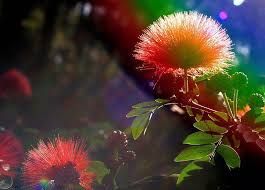
Endemic Flowers
* Butterfly Orchid (Encyclia bocourtii) is a botanical species of flowering plant in the orchid family, subfamily Epidendroideae. It was discovered for science in Sierra del Rosario, at the end of the 20th century, it is endemic to the Guanahacabibes Peninsula. It grows of 7 cm green or gray pseudobulbs; 16 cm x 2 cm narrow foliage Mature plants produce a branchy inflorescence, with several alternate flowers, with green to bronze sepals, and petals surrounding a white lip with a purple dot. 2.5 cm in diameter, fragrant. It features many variations of color and markings; natural hybridizations occur in the environment.
* The Black Orchid (Prosthechea cochleata), only found in the Guanahacabibes Peninsula, is called the Black Orchid because of the predominance of intense purple, it has sepals and petals arranged downwards like the legs of a spider or the tentacles of an octopus .
* The Chalice (Solandra Grandiflora) is one of the largest flower species in the world. It is an amazing vine with satin leaves and striking large flowers ranging from white to yellow. The flowers are 6 – 8 inches in a chalice shape. They have yellow petals, with 5 purple lines. They generally bloom from February to May.
Agencies/ Wiki/ EcuRed/ RHC/ Juan B. Rodriguez/ Internet Photos/ Arnoldo Varona/ www.TheCubanHistory.com
THE CUBAN HISTORY, HOLLYWOOD.