 < THE RUMBA and "THE PAPINES", a Dinasty in Cuban Popular Music. VIDEOS.
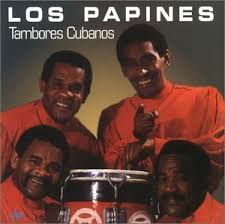 LA RUMBA Y LOS PAPINES, UNA DINASTIA EN LA MUSICA POPULAR CUBANA.
Cuando se habla de rumba y de tambores en Cuba hay dos nombres imprescindibles: Chano Pozo y Tata Güines. El primero renovó el jazz al dar vida al cubop y al jazz afrocubano, el segundo modernizó el modo de tocar la tumbadora. Los Papines eran herederos de ambas tradiciones, y combinaron como nadie la maestría de su toque con el espectáculo.
La muerte de un rumbero se llora a golpe de tambor. Cuando ocurrio la del percusionista y cantante cubano Luis Abreu, fundador de Los Papines, fallecido el 17 de abril en La Habana a los 73 años por un problema de corazón hace ya 8 años, se lloró amargamente, ya que con él desaparecia el tercero de los cuatro hermanos que integraron el grupo rumbero más famoso de Cuba. Los Papines eran dentro y fuera de la isla, una institución, y Luis uno de sus nombres históricos.
Nacido en una familia numerosa en el barrio obrero de Marianao, cuna de ritmos callejeros y de percusionistas de solar, comenzó tocando con un palo y una lata; hasta 11 miembros de su familia se dedicaron a la rumba. Pero fueron él y sus hermanos Alfredo, Jesús y, sobre todo, Ricardo, conocido como Papín y quien dio nombre al conjunto, los que triunfaron. En 2009, la muerte de Ricardo, el líder de la agrupación, supuso un duro golpe para Los Papines, que años antes ya habían perdido a Alfredo. Las pérdidas fueron mitigadas con la entrada de jóvenes valores familiares.
Luis Abreu habia comenzado su trayectoria como percusionista suplente. Su hermano Ricardo, virtuoso y carismático, había tocado con el conjunto de Félix Chapotín y llegó por el 1955 al cabaret Tropicana, cuando creó Guaguancó Papín, agrupación que en los sesenta se convirtió en Los Papines. Estos debutaron en el hotel Nacional en 1961 y desde entonces los papeles quedaron repartidos: si Ricardo era el líder indiscutido, Luis y Jesús conducían la participación del público en unos espectáculos que eran verdaderas fiestas. El repertorio era amplio: guaguancó, columbia, yambú y otras manifestaciones de la rumba, además de otros ritmos cubanos como el son y el bolero, siempre con toque afrocubano.

Luis y sus hermanos no fueron solo rumba e improvisación, también eran voz, y su formade combinar tumbas y cantos llegó a los escenarios más importantes del mundo, donde compartieron tablas con figuras como Ray Barreto, Mongo Santamaría o Tito Puente. Su discografía incluye títulos como Nunca es tarde si la rumba es buena, Los Papines siguen OK, Rumba sin alarde o Concierto en el Lincoln Center, con la Orquesta Aragón y Elena Burke. En 2001, el CD La rumba soy yo, un todos estrellas de la rumba cubana que contó con la presencia del grupo, obtuvo el Grammy Latino en la categoría de música folclórica.
Luis Abreu estuvo años vinculado a la enseñanza y fue profesor de percusión en la Escuela Nacional de Arte. Dos de sus hijos entraron a formar parte del grupo tras el fallecimiento de sus hermanos. Ahora, el único histórico de Los Papines es Jesús.
https://youtu.be/2AMd01nkvSg
SE CONSERVA LA DINASTIA
Se hubiera puesto punto final a 50 años de trayectoria artística de Los Papines. Pero allí estaba otro hijo de Luis, Alejandro, dispuesto a recoger el batón.
El quinto, la posición en la que Papín era rey, no volverá a sonar igual. Los nuevos Papines no aspiran a ello. Jesús contaba precisamente que como las manos de Alejandro son pequeñas y no están curtidas como las del maestro, han preparado un tambor que se adapte a sus características, mientras recrea el repertorio original y se aventuran con nuevas propuestas.
Las preocupaciones del ahora quinteto pasan en estos momentos por lograr una articulación coherente entre el legado que recibieron y las apetencias musicales del público de nuestros días.
No se trata de asaltar el terreno de los éxitos fáciles ni de hacer concesiones, sino de reafirmar la clase que los identifica. Para ello cuentan con una verdad tan grande como un templo: la reciedumbre de la dinastía Abreu.

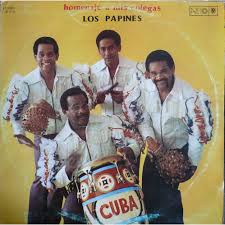 THE RUMBA AND “THE PAPINES”, A DYNASTY IN CUBAN POPULAR MUSIC.
When talking about rumba and drums in Cuba there are two essential names: Chano Pozo and Tata Güines. The first one renewed jazz by giving life to cubop and Afro-Cuban jazz, the second modernized the way of playing the tumbadora. The Papines were heirs of both traditions and combined as anyone else the mastery of their touch with the show.
The death of a rumbero is mourned at the stroke of a drum. When the Cuban percussionist and singer Luis Abreu, founder of Los Papines, died on April 17 in Havana at 73 years of age due to a heart problem 8 years ago, he wept bitterly, as he disappeared with the third of the four brothers who made up the most famous rumba group in Cuba. The Papines were inside and outside the island, an institution, and Luis one of their historical names.
Born into a large family in the working-class neighborhood of Marianao, the cradle of street rhythms and solar percussionists, he began playing with a stick and a can; Up to 11 members of his family were dedicated to the rumba. But it was he and his brothers Alfredo, Jesus and, above all, Ricardo, known as Papín and who gave his name to the group, who triumphed. In 2009, the death of Ricardo, the leader of the group, was a blow to Los Papines, who years before had already lost Alfredo. The losses were mitigated with the entry of young family values.
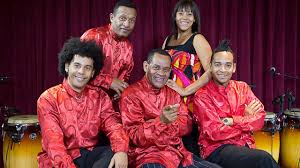
Luis Abreu had begun his career as a substitute percussionist. His brother Ricardo, virtuoso and charismatic, had played with the group of Felix Chapotín and arrived in 1955 at the Tropicana cabaret when he created Guaguancó Papín, a group that in the 1960s became Los Papines. They debuted at the National Hotel in 1961 and since then the papers were distributed: if Ricardo was the undisputed leader, Luis and Jesús led the public participation in shows that were real parties. The repertoire was broad: guaguancó, columbia, yambú and other manifestations of the rumba, as well as other Cuban rhythms such as son and bolero, always with an Afro-Cuban touch.
Luis and his brothers were not just rumba and improvisation, they were also a voice, and their way of combining tombs and songs reached the most important stages of the world, where they shared tables with figures such as Ray Barreto, Mongo Santamaría or Tito Puente. His discography includes titles such as ‘Nunca es tarde si la rumba es buena’, Los Papines follow OK, Rumba sin bode or Concert at Lincoln Center, with Orquesta Aragón and Elena Burke. In 2001, the CD La rumba soy yo, an all star of the Cuban rumba that had the presence of the group, won the Latin Grammy in the category of folk music.
Luis Abreu was involved in education for years and was a percussion teacher at the National School of Art. Two of his sons joined the group after the death of his brothers. Now, the only history of Los Papines is Jesus.
THE DINASTIA IS SAVED
It would have put an end to 50 years of the artistic career of Los Papines. But there was another son of Luis, Alejandro, ready to pick up the baton.
The fifth, the position in which Papín was king, will not sound the same again. The new Papines do not aspire to it. Jesus counted precisely that since Alejandro’s hands are small and not as tanned as those of the maestro, they have prepared a drum that adapts to their characteristics, while he recreates the original repertoire and ventures with new proposals.
The concerns of the now quintet happen at this time to achieve a coherent articulation between the legacy they received and the musical desires of the public of our days.
It is not about assaulting the terrain of easy successes or making concessions, but about reaffirming the class that identifies them. For this, they have truth as big as a temple: the strength of the Abreu dynasty.
Agencies/ El Pais/ MauricioVicent/ EcuRed/ Extractos/ Excerpts/ Internet Photos/ Youtube/ Arnoldo Varona/ www.TheCubanHistory.com
THE CUBAN HISTORY, HOLLWOOD.