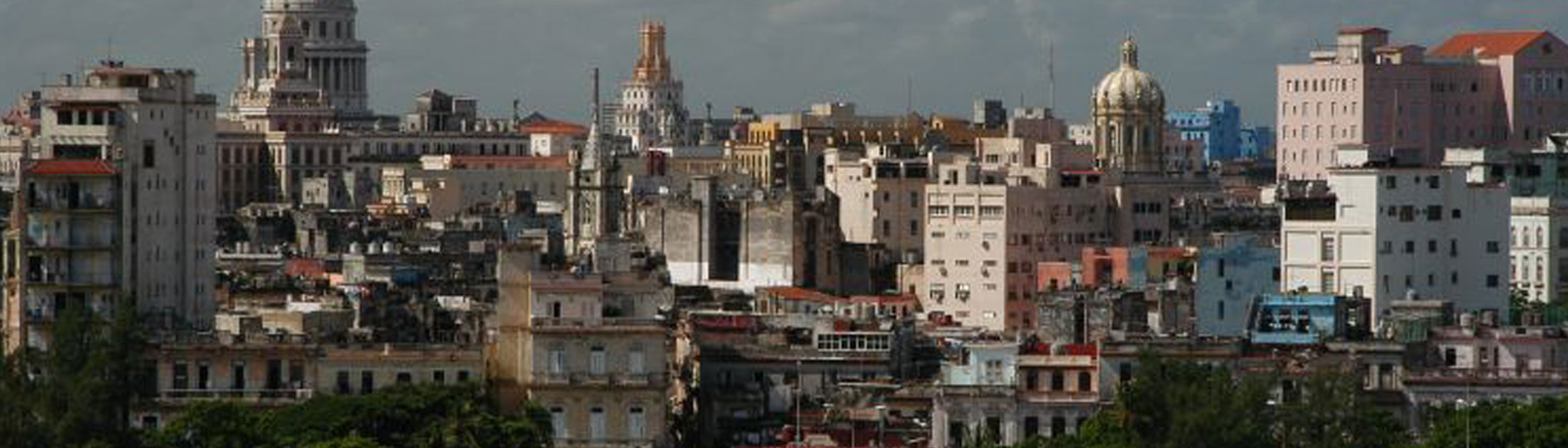
La habana es una ciudad hembra
Que no tiene freno ni tampoco riendas
Donde si te duermes te pasan la cuenta
Ya no existe el tiempo
Y nada es mentira ni es verdad
CUBAN MUSIC (2019): ALEX CUBA & KELVIS OCHOA SINGING “LA HAVANA, CIUDAD HEMBRA”. VIDEO.
Havana is a female city
That has no brake or reins
Where if you fall asleep, they pass the bill
There is no longer time
And nothing is a lie nor is it true
Agencies/ CubanMusic (2019)/ Internet Photos/ YouTube/ Arnoldo Varona/ www.TheCubanHistory.com
THE CUBAN HISTORY, HOLLYWOOD.
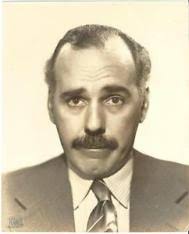
Alberto Garrido. Actor, comediante cómico y bailarín cubano que se destacó en la primera mitad del siglo XX, conocido popularmente como Chicharito nace el 7 de agosto de 1909 en La Habana, hijo del actor Alberto Garrido y de Chelín Beltrán. Formó pareja con el también actor Federico Piñeiro (Sopeira), los llamados Ases de la risa, triunfadores en la radio y más tarde en la televisión, donde actuaron en Unión Radio Televisión, patrocinados por la Cerveza Hatuey a la 1.00 antes de Codazos y en Televisión Nacional.
Federico Piñeiro, nacido en Santa Clara, provincia central de Cuba, el 3 de octubre de 1903 no sólo era un actor de indudable “bis” cómica, sino un avispado empresario. El éxito radial, teatral y cinematográfico de su famoso dueto con Alberto Garrido, el falso negrito, le permitió no solo ser propietario de algunos cines en la ciudad de La Habana, sino ser el fundador y dueño de su propia empresa de producción. El empresario Piñeiro, funda en 1940 la Producciones P.I.C.A., que filma en el propio año “Yo soy el héroe”. En esta película, la única producida por la naciente empresa, la dirección estuvo en manos del cubano Ernesto Caparrós, que también participó en la producción.
“Chicharito y Sopeira”, personajes creados por Antonio Castells, sirvieron durante esa época para hacer crítica social y era el reflejo de la crónica diaria de la actualidad nacional, haciendo especial sátira a dos sectores de la sociedad cubana, los negros y los emigrantes gallegos.
Sobre las cualidades de Garrido, expresó Enrique Núñez Rodríguez;
“El más completo de todos, a mi juicio, fue Alberto Garrido, Chicharito, que en la radio Nacional y en el Teatro Martí constituyó con Federico Piñero, El gallego, la pareja más famosa de todos los tiempos”.
“En la radio, Garrido, que leía con mucha dificultad, solía saltarse los renglones y decir lo que le correspondía a Piñero. El Gallego, sin inmutarse, decía: “Eso mismo digo yo… eso mismo digo yo…”, y repetía la frase que a él le correspondía. De ese modo Garrido volvía a incorporarse al libreto”.
“Las improvisaciones o morcillas de Garrido fueron famosas. Es clásica su narración de las inundaciones provocadas por un ciclón que azotó La Habana”.
“Antonio Castells, el creador de Chicharito y Sopeira le había inventado una familia cuyos personajes aparecían en la narración de Garrido. Ninguno respondía a un intérprete. Sólo se hablaba de ellos en la trama. En aquellas inundaciones, Garrido narraba cómo su cuarto se llenó de agua, y él sacó a Monguito, su hijo, para salvarlo de morir ahogado. Se extendió en una simpática descripción de las peripecias en que se vio envuelto durante el paso del ciclón. En un momento determinado Piñero, que lo escuchaba atentamente, le preguntó: “Tú no traías a Monguito cargado, qué hiciste con él?” Garrido, que se había olvidado totalmente de su hijo, le respondió: “Se me había olvidado contarte que por la corriente de agua pasó un tibor flotando, monté a Monguito en el tibor y fue a parar a Luyanó a casa de Goya, su mamá, que estaba pasándose el día en casa de mi suegra”.
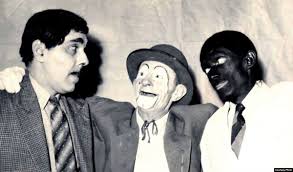
Chicharito y Sopeira, conocidos también como Alberto Garrido y Federico Piñeiro o también como “negrito” y “gallego” sirvieron durante muchos años para hacer crítica social de la época y crónica diaria de la actualidad nacional, haciendo especial mofa de dos sectores de la sociedad cubana, los negros y los emigrantes gallegos (españoles), estos últimos, huyendo de una España en la grave crisis económica de la postguerra, acudían a Cuba en busca de fortuna.
Ambos eran extraordinarios cómicos, Chicharito más simpático que Sopeira, éste mejor actor que Chicharito. Actuaban a veces junto a “mulata” constituyendo el plato fuerte de toda representación de teatro bufo de la época. Chicharito, “negrito”, era un personaje poco amigo del trabajo, empeñado en estafar o al menos manipular a su favor. Sopeira, “gallego” era menos amigo de bromas, más lento de pensamiento, generalmente más responsable, pero igual de pobre. Nació en Santa Clara, provincia central de Cuba en 1903, por tanto era un falso gallego, que a sus dotes de excelente actor unió las de empresario. Se convirtió en propietario de varios cines, creó su propia empresa de producción P.I.C.A. llegando a rodar la película “Yo soy el héroe” (1940). En la segunda película donde actuaron Alberto Garrido y Federico Piñeiro, “Mi tía de América”, lo hicieron por separado, sin formar el dúo “negrito” y “gallego”, pero su fama era tal que tan solo su aparición en los créditos de la película aseguraba su éxito.
Es interesante aclarar que la pareja Garrido y Piñeiro no siempre aparecían en la pantalla como tal. En “Mi tía de América” , segundo filme donde actúan ambos, no constituía la conocida agrupación de “negrito y gallego”, sino que actuaban como tales pero de manera separada. En realidad, no necesitaban integrarla para ser reconocidos como “Chicharito y Sopeira”. Era tal la fama de ambos actores que su sola mención en los créditos era asumida como garantía de comicidad y, por tanto, de público. Hoy en día, más de cuarenta años después, los cubanos que peinan canas todavía sonríen ante la sola mención de sus nombres. Esta fama se cimentó, entre otras cosas, por los brevisimos “sketches” que ambos filmaron para la cerveza “Polar” con el director y productor Manolo Alonso. El carácter promocional de tales materiales permitía una fácil distribución de los mismos por todos los cines de la Isla y, por supuesto, afianzaba aún más la fama de ambos actores.
Alberto Garrido “Chicharito” Fallece el 28 de octubre de 1963 en Miami, La Florida, Estados Unidos.
Federico Piñeiro “Sopeira” Fallece el 2 de Noviembre de 1961 em Miami, La Florida, Estados Unidos.
Alberto Garrido. Actor, comedian and Cuban dancer who stood out in the first half of the twentieth century, popularly known as Chicharito was born on August 7, 1909, in Havana, son of actor Alberto Garrido and Chelín Beltrán. He formed a partnership with the actor Federico Piñeiro (Sopeira), the so-called Aces de la Risa, winners on the radio and later on television, where they performed on Unión Radio Televisión, sponsored by the Cerveza Hatuey at 1.00 before Codazos and in National Television
Federico Piñeiro, born in Santa Clara, the central province of Cuba, on October 3, 1903, was not only an actor of undoubted “bis” comic but a smart businessman. The radial, theatrical and cinematographic success of his famous duet with Alberto Garrido, the false little black, allowed him not only to own some cinemas in the city of Havana but to be the founder and owner of his own production company. The businessman Piñeiro founded the Producciones P.I.C.A. in 1940, which he filmed in the same year “Yo soy el héroe”. In this film, the only one produced by the nascent company, the direction was in the hands of the Cuban Ernesto Caparrós, who also participated in the production.
“Chicharito and Sopeira”, characters created by Antonio Castells, served during that time to make social criticism and was the reflection of the daily chronicle of national news, making special satire to two sectors of Cuban society, blacks, and Galician emigrants.
On the qualities of Garrido, expressed Enrique Núñez Rodríguez;
“The most complete of all, in my opinion, was Alberto Garrido, Chicharito, who on National radio and at the Martí Theater formed with Federico Piñero, El gallego, the most famous couple of all time”.
“On the radio, Garrido, who was reading with great difficulty, used to skip the lines and say what belonged to Piñero.” El Gallego, without flinching, said: “That’s what I say … that’s what I say …” and repeated the phrase that belonged to him so that Garrido would rejoin the libretto “.
“The improvisations or blood sausages of Garrido were famous, and its narration of the floods caused by a cyclone that hit Havana is classic.”
“Antonio Castells, the creator of Chicharito and Sopeira, had invented a family whose characters appeared in Garrido’s narrative, none of them answered an interpreter, they were only mentioned in the plot, and in those floods, Garrido narrated how his room was filled of water, and he took out Monguito, his son, to save him from drowning, he extended himself in a nice description of the vicissitudes in which he was involved during the passage of the cyclone, at a certain moment Piñero, who listened attentively, He asked: “You did not bring Monguito loaded, what did you do with him?” Garrido, who had completely forgotten about his son, replied: “I forgot to tell you that a floating shark went by the water flow, I rode Monguito in the tibor and went to Luyanó to goya’s house, his mother, who was spending the day at my mother-in-law’s house. ”
Chicharito and Sopeira, also known as Alberto Garrido and Federico Piñeiro or also as “negrito” and “gallego” served for many years to make social criticism of the time and daily chronicle of the national news, making special mockery of two sectors of society Cuban, the blacks and the Galician emigrants (Spaniards), the latter, fleeing from a Spain in the serious economic crisis of the postwar period, went to Cuba in search of fortune.
Both were extraordinary comedians, Chicharito more sympathetic than Sopeira, this better actor than Chicharito. Sometimes they performed with “mulata”, constituting the main attraction of all the buffo theater performances of the time. Chicharito, “negrito”, was a character who was not a friend of work, determined to cheat or at least manipulate in his favor. Sopeira, “Galician” was less a friend of jokes, slower in thought, generally more responsible, but just as poor. He was born in Santa Clara, central province of Cuba in 1903, so he was a false Galician, who joined his skills as an entrepreneur. He became the owner of several cinemas, created his own production company P.I.C.A. getting to film the movie “I am the hero” (1940). In the second film where Alberto Garrido and Federico Piñeiro performed, “My aunt of America”, they did it separately, without forming the duo “negrito” and “gallego”, but his fame was such that only his appearance in the credits of the film ensured its success.
It is interesting to clarify that the couple Garrido and Piñeiro did not always appear on the screen as such. In “My Aunt of America”, the second film where both act, was not the known grouping of “negrito and Galician”, but acted as such but separately. In reality, they did not need to integrate it to be recognized as “Chicharito y Sopeira”. Such was the fame of both actors that their mere mention in the credits was assumed as a guarantee of comicity and, therefore, of the public. Today, more than forty years later, Cubans who comb gray hair still smile at the mere mention of their names. This fame was cemented, among other things, by the brevisimos “sketches” that both filmed for the beer “Polar” with the director and producer Manolo Alonso. The promotional nature of these materials allowed easy distribution of them by all the cinemas of the Island and, of course, further strengthened the fame of both actors.
Alberto Garrido “Chicharito” Died on October 28, 1963 in Miami, Florida, United States.
Federico Piñeiro “Sopeira” Died November 2, 1961 in Miami, Florida, United States.
Agencies/ Wiki/ ChiCharitoSopeira/ Internet Photos/ YouTube/ Arnoldo Varona/ www.TheCubanHistory.com
THE CUBAN HISTORY, HOLLYWOOD.
El querer nombrar las cosas es algo inherente al hombre de todos los tiempos es un modo de que lo desconocido pase a ser algo cotidiano cuando lo nombramos.
En el lenguaje popular de los cubanos existen varios casos que han perdurado con el pasar de los años.Personas entraditas en años conocen al “detergente en polvo” como “Ace” simplemente porque esta era la marca del detergente que más se vendía en Cuba antes del triunfo de la Revolución, y así lo nombraron desde ese entonces. Pero como este ejemplo hay muchos más…
De igual forma para quienes habitamos en esta isla, “Popis”, otra marca antigua, son los zapatos deportivos o tennis, y “Pitusa” son los pantalones de mezclilla tan cotidianos en la moda actual a pesar de que en sus orígenes esta prenda estaba destinada al trabajo fuerte de vaqueros y torneros.
Pero dejemos los jeans (“yines”) o pantalones de mezclilla y continuemos con nuestras creaciones nacionales a la hora de nombrar algunos objetos cuando los vemos por primera vez y su uso se hace tan cotidiano que a pesar de no ser el nombre original llega a formar parte del lenguaje común y es aceptado hasta por la Real Academia Española si es preciso.
Entre los ejemplos más famosos tenemos a nuestra inseparable bolsa plástica como dirían los habaneros (quienes viven en La Habana, capital del país ) y “Cubalse” como le pusimos nosotros los orientales, recordemos que esa bolsita debe su nombre a la marca de la primera corporación cubana que la sacó al mercado junto a sus productos. Así lo mismo se pudo haber llamado Tiendas Recaudadoras de Divisa (TRD) o Panamericana, pero sin dudas Cubalse fue el término más popular para los cubanos del Oriente del país.
Otros ejemplos de este fenómeno lingüístico en nuestro idioma es que le decimos “trusa” al traje de baño, hay quienes todavía le dicen “Yale” a los llavines de las puertas pues esa fue su marca inicial, al igual que las almohadillas sanitarias que solo las cubanas las conocemos como “Intimas”,marca que todavía esta vigente entre nosostras. A así existen infinidades de ejemplos y seguirán surgiendo pues el idioma se encuentra en constante evolución y asimila nuevos términos, esos que decidimos nosotros en la cotidianidad y que logran sobrevivir de generación en generación.
The desire to name things is something inherent in the man of all times is a way that the unknown becomes something every day when we name it.
In the popular language of Cubans, there are several cases that have endured over the years. People in years know the “powder detergent” as “Ace” simply because this was the brand of detergent most sold in Cuba before of the triumph of the Revolution, and they named it from that time on. But as this example, there are many more …
Similarly, for those who inhabit this island, “Popis”, another old brand, are sports shoes or tennis shoes, and “Pitusa” are the everyday denim trousers in current fashion even though in its origins this garment was destined to the hard work of cowboys and turners.
But let’s leave the jeans (“yines”) or jeans and continue with our national creations when it comes to naming some objects when we see them for the first time and its use becomes so daily that despite not being the original name it comes to be part of the common language and is accepted even by the Royal Spanish Academy if necessary.
Among the most famous examples we have our inseparable plastic bag as they would say the habaneros (who live in Havana, capital of the country) and “Cubalse” as we put the oriental, remember that this bag owes its name to the brand of the first Cuban corporation that brought it to market along with its products. Thus the same could have been called Currency Collection Stores (TRD) or Pan-American, but without doubt, Cubalse was the most popular term for Cubans in the East of the country.
Other examples of this linguistic phenomenon in our language is that we say “trusa” to the swimsuit, there are those who still say “Yale” to the lockers of the doors because that was their initial mark, as well as the sanitary pads that only Cuban women know them as “Intimates”, a brand that is still valid among us. In this way, there are infinities of examples and they will continue to emerge because the language is in constant evolution and assimilates new terms, those that we decide in everyday life and that manage to survive from generation to generation.
Agencies/ HablandoCubano/ Celia Arevalo/ Internet Photos/ Arnoldo Varona/ www.TheCubanHistory.com
THE CUBAN HISTORY, HOLLYWOOD.


 MUSICA CUBANA (2019): ALEX CUBA & KELVIS OCHOA CANTANDO “LA HABANA, CIUDAD HEMBRA”. VIDEO.