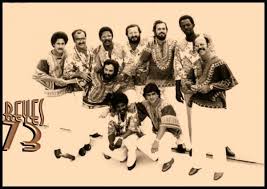
– CUBA, Music of the 70’s: the Celebrated Orchestra “Reyes 73”. VIDEOS. <> CUBA, Música de la Década de los 70’s: la Celebrada Orquesta “Reyes 73”. VIDEOS.

reyes-73CUBA, MUSIC OF THE 70’S: THE CELEBRATED ORCHESTRA “REYES 73”. VIDEOS.

That convulsive decade of the 70s in the world and on the island, was also marked by the panorama of popular dance music in Cuba, it was the time when people formed great tumults in those dancing tracks to enjoy that musical boom, which it was marked in that first stage by the irruption of The Van-Van, of Juan Formell; Irakere with Chucho Valdes; Ricardito with Los Latinos; and La Monumental Orchestra with its hits “El Mechon” and “El Majá”. In addition The Rumbavana Set, and The Oriental Rhythm. But within them an orchestra stood out that has not had all the recognition it deserves, because of its innovative sound mixing Cuban with American rhythms of the time. I mean:’The Reyes 73′.
download (1)

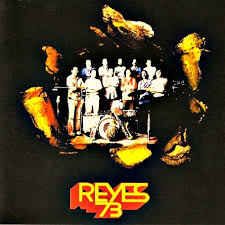
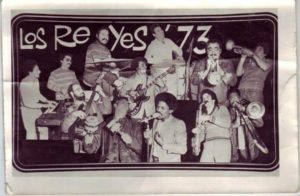
The Reyes began on the Radio program “Fiesta en el Aire,” in 1962. Their first director was Santiago Reyes (drummer). The arrangements were made by the pianist Nacho Herrera. The group started as a combo. In 1970, José Valladares began to sing, which makes fashionable “Ni la casa, ni yo”. It also broadcasts the themes: “You see, this is life”, “The girl on 13th street”, “We are walking”, and “The guest”. The arrival of Lele that causes loss of Los Van Van in 1972 and enters Los Reyes, the following year, motivates that they change the name for ‘Los Reyes 73’. At that time directs Mario Valdés, bassist. It is a golden period of the orchestra. Undoubtedly what was done by Los Reyes 73, in that stage of Lele that extends until 1978, deserves to be heard again and to recognize the place they really occupied in popular dance music.

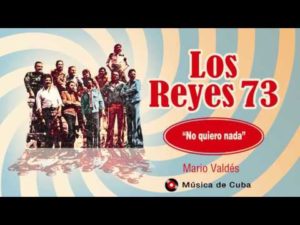
With its emblematic singers Ricardo Eddy Martínez and Miguel Ángel Rasalps (El Lele) that, it is a brilliant stage of Los Reyes. Lele worked well, melted the rock with the rumba, in a kind of “fantasy” rumbera. He was an artist with a lot of charisma. They imposed great themes such as: “Dance that dances” (Mañe Mañengo), “Without freedom there is no arrangement”, “The cakes”, “To the party of the chocolates do not go candy”, “Great friends”; and “Cyril and Clara”, another of his greatest hits.

Here you can see one of the innovative themes of ‘Reyes 73’, for that time, entitled “Baila que Baila”, by Ovidio Guerra, which was later covered by José Alberto “El Canario” with ‘La Típica 73’, in New York. In my opinion, the original version of the ‘Reyes 73’ is superior.

https://youtu.be/KktmULVKjdI
‘El Canario’ Versión de Baila que Baila..

So in those hot summer months, thousands were dancing with Los Reyes 73 accompanied by a beer parch in hand, acquired after a strenuous bidding in the complicated thermos of beers that also broke into the Cuban scene at that time, almost as the only option to be able to enjoy the so-called “Cold” in reference to the refreshing drink. In those days there was a very popular place in Havana, it was the halls of La Gran La Cerveceria and La Polar, on the 51st avenue of the Cuban capital, also known as Puentes Grandes, and to show up there and fill the place was be true, and Reyes 73, they did it many times.

logo

FotoCUBA, MÚSICA DE LA DÉCADA DE LOS 70’s: LA CELEBRADA ORQUESTA “REYES 73”. VIDEOS.

Aquella convulsa década de los 70 en el mundo y en la isla, también iba marcada por el panorama de la música popular bailable en Cuba, era la época en que la gente formaba grandes tumultos en aquellas pistas bailables para disfrutar de aquel boom musical, que estuvo marcado en esa primera etapa por la irrupción de Los Van-Van, de Juan Formell; Irakere con Chucho Valdés; Ricardito con Los Latinos; y La Orquesta La Monumental con sus éxitos “El Mechon” Y “El Majá”. Además El Conjunto Rumbavana, y La Ritmo Oriental. Pero dentro de ellas se destacaba una orquesta que no ha tenido todo el reconocimiento que se merece, por lo innovador de su sonido al mezclar lo cubano con ritmos norteamericanos de entonces. Me refiero a: Los Reyes 73.
hqdefault (2)

Con sus emblemáticos cantantes Ricardo Eddy Martínez y Miguel Ángel Rasalps (El Lele) esa, es una etapa brillante de Los Reyes. Lele funcionó bien, fundía el rock con la rumba, en una especie de “fantasia” rumbera. Era un artista con mucho carisma. Ellos impusieron grandes temas como: “Baila que baila” (Mañe Mañengo), “Sin libertad no hay arreglo”, “Los pasteles”, “A la fiesta de los bombones no van los caramelos”, “Grandes amigos”; y “Cirilo y Clara”, otro de sus grandes éxitos.


Cirilo y Clara.

Así en aquellos calurosos meses de verano, eran miles los que bailaban junto a Los Reyes 73 acompañados por una perga de cerveza en mano, adquirida después de una extenuante puja en los complicados termos de cervezas que también por esa época irrumpían en el panorama cubano, casi como única opción de poder disfrutar de la llamada “Fría” en alusión a la refrescante bebida. En aquellos tiempos existía en La Habana un lugar muy popular, se trataba de los salones de la Gran Cervecería La Tropical y La Polar, en la avenida 51 de la capital cubana, también conocida como Puentes Grandes, y presentarse ahí y llenar el lugar era estar pegao de verdad, y los Reyes 73, lo hicieron muchas veces.


Que lo Baile Zenia.

Los Reyes comenzaron en el programa de Radio “Fiesta en el Aire’, en 1962. Su primer director fue Santiago Reyes (baterista). Los arreglos los hacía el pianista Nacho Herrera. El grupo comenzó como un combo. En 1970 comienza a cantar José Valladares que pone de moda aquello de “Ni la casa, ni yo”. También difunde los temas: “Ves, Así es la vida”, “La chica de la calle 13”, “Vamos caminando”, y “El Huésped”. La llegada de Lele que causa baja de Los Van Van en 1972 y entra en Los Reyes, al año siguiente, motiva que le cambian el nombre por Los Reyes 73. En ese momento dirige Mario Valdés, bajista. Es un periodo de oro de la orquesta. Sin dudas lo hecho por Los Reyes 73, en esa etapa de Lele que se extiende hasta 1978, merece, que se les vuelva a escuchar y reconocerles el lugar que verdaderamente ocuparon en la música popular bailable.

https://youtu.be/B2K9TGC3Fgg
Baila que Baila

Aquí Puede apreciarse uno de los innovadores temas de los Reyes 73, para esa época, titulado ” Baila que Baila”, de Ovidio Guerra, que posteriormente fue versionado por José Alberto ” El Canario” con La Típica 73, en Nueva York (Oiganla en la Sección en Ingles). En mi opinión la versión original de los Reyes 73, es superior.

Agencies/David Martin/ElCatalejo/Internet Photos/YouTube/ Arnoldo Varona/ TheCubanHistory.com
THE CUBAN HISTORY, HOLLYWOOD.

logo

– THE SAD STORY of the Song “Lágrimas Negras” Composed by Miguel Matamoros. <> LA TRISTE Historia de la Canción “Lágrimas Negras” de Miguel Matamoros. VIDEO.

hqdefault (1)THE SAD STORY OF THE SONG “LÁGRIMAS NEGRAS” COMPOSED BY MIGUEL MATAMOROS. VIDEO.

A jewel that has an exciting history behind it. In the year 1930 Miguel Matamoros traveled to Santo Domingo. He was staying in the house of Huéspedes de Luz Saldaña. One day when he heard a woman moan from one of the rooms in the house, he asked Luz why she was crying so heartbroken. She replied that her partner had abandoned her for another.

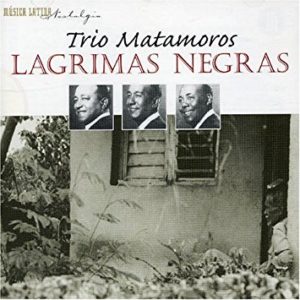
Right there Miguel inspired this bolero-son that he would popularize in the company of Siro Rodríguez and Rafael Cueto, with whom he had formed in 1925 in Santiago de Cuba, the famous and prolific Matamoros Trío.Lágrimas Negras is not just another piece, it is one of the most versioned songs of the Spanish language.

https://youtu.be/EwVrD_0wy3U

According to Cuban musicologist Odilio Urfé, the main importance of the Trío Matamoros in Cuban music is that it gave rise to the third variant of the Cuban trova complex. That is to say: until the moment when this trio emerged, the Cuban trova was developing in the so-called peasant and song lines. Matamoros defined, promoted and popularized the variant that he called, the trova of son.

The rank of pioneer in its genre is obtained by the Lágrimas Negras bolero when Matamoros incorporates the chorus to its creation so that it can be danceable and introduce the sono montuno in the final part of the bolero, which differentiates it from other works of the author. with a first reflexive-romantic part and, in contrast, the montuno, which gives the dancer the opportunity to freely perform the choreographic figures.

6133KF5B9TL._SY355_

Lágrimas Negras is the work that marks the consolidation of that third variant of the Cuban trova, which is characterized by expressing the constant melodramatic element coming from Buenos Aires tango, which after the First World War spread broadly through Europe and our America in certain competition with other musical genres.

In addition to Miguel Matamoros and his Matamoros Trio, this composition has been covered by countless interpreters including: Compay Segundo, Celia Cruz, Diego El Cigala and Bebo Valdés, Buena Vista Social Club, and Willy Chirino with Oscar D’Leon.

logo

mqdefaultLA TRISTE HISTORIA DE LA CANCIÓN “LÁGRIMAS NEGRAS” DE MIGUEL MATAMOROS. VIDEO.

Una joya que tiene detrás una apasionante historia. En el año 1930 Miguel Matamoros viajó a Santo Domingo. Se hospedaba en la casa de Huéspedes de Luz Saldaña. Un día en que oyó los quejidos de una mujer desde unos de los cuartos de la casa preguntó a Luz por qué lloraba aquella mujer de forma desconsolada. Ella le respondió que su compañero la había abandonado por otra.

Allí mismo Miguel inspiró este bolero-son que popularizaría en compañía de Siro Rodríguez y Rafael Cueto, con los cuales había formado en 1925 en Santiago de Cuba, el famoso y prolífico Trío Matamoros.Lágrimas Negras no es una pieza más, es una de las canciones más versionadas de la lengua hispana.

Según el musicólogo cubano Odilio Urfé la importancia principal que tiene el Trío Matamoros en la música cubana se refiere a que dió origen a la tercera variante del complejo de la trova cubana. Es decir: hasta el momento en que surge este trío, la trova cubana venía desarrollándose en las líneas denominadas campesina y de la canción. Matamoros definió, impulsó y popularizó la variante que denominada, la trova del son.

El rango de pionera en su género, lo obtiene el bolero Lágrimas Negras al incorporar Matamoros el estribillo a su creación para que ésta pueda ser bailable e introducir el montuno sonero en la parte final del bolero, que lo diferencia de otras obras del autor. con una primera parte reflexivo-romántica y como contraste, el montuno, que brinda la oportunidad al bailador de ejecutar libremente las figuras coreográficas.

Lagrimas-Negras-Chords-1-e1472149521200

Lágrimas Negras es la obra que marca el afianzamiento de esa tercera variante de la trova cubana, la cual se caracteriza por expresar el constante elemento melodramático procedente del tango bonaerense, que posteriormente a la Primera Guerra Mundial se extendió con amplitud por Europa y nuestra América en cierta competencia con otras géneros musicales.

Además de Miguel Matamoros y su Trío Matamoros, esta composición ha sido versionada por infinidades de intérpretes entre ellos: Compay Segundo, Celia Cruz, Diego El Cigala y Bebo Valdés, Buena Vista Social Club, y Willy Chirino con Oscar D´Leon.

Agencies/David Martin/Catalejo/Internet Photos/YouTube/ Arnoldo Varona /TheCubanHistory.com
THE CUBAN HISTORY, HOLLYWOOD.
logo

– ANDY GARCÍA Loves Acting but has a Passion for the Cuban Music. VIDEOS. <> A ANDY GARCÍA le Encanta Actual, pero tiene una Gran Pasión por la Música Cubana. VÍDEOS.

 ANDY GARCÍA LOVES ACTING BUT HAS A PASSION FOR THE CUBAN MUSIC. VIDEOS.

In addition to his love of acting, Andy has a passion for Cuban music and history that’s essential to his core. Whether he’s playing piano or congas with the Latin music band CineSon All Stars, or directing or producing lauded biographies and documentaries, his creativity often takes this expression. His film Cachao: Uno Mas (2008), about mambo innovator/Afro-Cuban conga player Israel (Cachao) López, was a love letter to his Cuban musical heritage.

“Making Cachao and The Lost City [2005], about the courage my father’s generation showed in Cuba in the 50’s—directing films like that inspires me,” he said.

Another indie labor-of-love project Andy hopes to make is the film Hemingway and Fuentes. He co-wrote the screenplay with Ernest Hemingway’s niece, Hilary Hemingway. It tells the story of how Hemingway befriended Gregorio Fuentes, the boat captain who motivated Hemingway to write The Old Man and the Sea.

“Financing’s an interesting part of the industry,” said Andy of his quest to make the film. “Of course, it’s easier to get three million dollars together with backers, but ten or twelve is a challenge.”

LIFE CHANGING EXPERIENCE FOR ANDY GARCIA.

“Working with Hal Ashby in 8 Million Ways to Die [1986] was a lifechanging experience,” he said. “It was very improvisational. He had that theatre sensibility. It was very special—the encouragement to bring your own ideas to the character, Ashby’s sensitivity to the actor. Jeff Bridges, who’s one of the most generous actors, and a friend to this day, made that movie even more special.”

Andy added that many of the 70’s directors like Martin Scorsese, Sidney Lumet, and Francis Ford Coppola were important in fueling his excitement about learning the filmmaking process. I took this as my chance to bring up Andy’s work with Coppola. Andy was nominated for a Best Actor in a Supporting Role Oscar for his dynamic portrayal of Vincent Mancini in The Godfather: Part III (1990).

“Frances is a genius and a mentor,” Andy said. “He understands the language of an actor, and that’s rare. The philosophical process, the inspiration to dream, and how he finalizes the execution of a film is what makes him Francis Ford Coppola. There’s so much to him, and I consider that time together, that movie, to have been a remarkable experience.”

Starring with Al Pacino was another career highlight for Andy.

“Working with Al took the experience to another level,” he said. “The impact he made on me in The Godfather, all of those actors, is what made me want to do this in the first place. After watching him and others, for me it was a calling.”

I brought up how De Niro intrinsically absorbed Brando’s mannerisms in his portrayal of the younger Vito Corleone, while Andy blended James Caan’s Sonny Corleone character into his portrayal of Vincent.

“There’s definitely something to that,” he responded. “Of course, it’s not an impersonation. It happens organically. It happens on its own.”

I expressed my belief that history would be very kind to The Godfather: Part III, and that Coppola’s decision to work at Cinecittà Studios added so much to the operatic and elegiac qualities of the film.

“I think so, too,” Andy said, after thinking for a minute. “It was a visually beautiful film. Gordon Willis, ya know, it can’t get any better than that. The cinematography he created was memorable.”

THE GODFATHER: PART IV..?

Asked Andy about the possibility of a The Godfather: Part IV.

“We talked about it,” he said. “I was somewhat involved. We thought we could run a storyline with Leonardo Di Caprio playing a young Sonny, dual stories with my character and his. It’s a movie Francis would need to want to make, but I feel he doesn’t want to revisit it. And Mario Puzo passed away, so that was it, really.”

Andy’s career continues to thrive even while some of his contemporaries who were popular a few decades ago haven’t had that good fortune.

“I still have that 1960’s idealism that I had when I initially wanted to be an actor,” he said. “I feel exactly the same about it. I’d like to think I’ll always have something to offer—bringing acting, writing and directing to the table.”

Andy has a steady stream of projects lined up, in addition to the Mamma Mia! prequel. He’s also been cast as Ricardo Montalban in HBO’s upcoming movie, My Dinner With Hervé, which features Peter Dinklage, Jamie Dornan, and Oona Chaplin, and looks at the tragic life of actor Hervé Villechaize of Fantasy Island fame.

Asked Andy why he was attracted to the role of Montalban. “I wanted to portray Ricardo with dignity,” he said. “Ricardo Montalban, José Ferrer, and Anthony Quinn—I was aware of them as a young actor, them being Hispanic, and that was important to me.”

I told him I thought his upcoming film Book Club (2018) looked like it had some sizzle. “Book Club is on the horizon,” said Andy. “Jane Fonda, Diane Keaton, Candice Bergen, Mary Steenburgen. It’s about four friends and how reading 50 Shades of Grey sets their wheels in motion.”

logo

Andy_GarciaA ANDY GARCIA LE ENCANTA ACTUAR, PERO TIENE UNA GRAN PASIÓN POR LA MÚSICA CUBANA. VÍDEOS.

Además de su amor por la actuación, Andy tiene una pasión por la música y la historia cubana que es esencial para su núcleo. Ya sea tocando el piano o las congas con la banda de música latina CineSon All Stars, o dirigiendo o produciendo biografías y documentales elogiados, su creatividad a menudo toma esta expresión. Su película Cachao: Uno Mas (2008), sobre el innovador mambo / conga afrocubano Israel (Cachao) López, fue una carta de amor a su herencia musical cubana.

“Hacer Cachao y The Lost City [2005], sobre el coraje demostrado por la generación de mi padre en Cuba en los años 50, dirigir películas como esa me inspira”, dijo.

Otro proyecto independiente de trabajo de amor que Andy espera hacer es la película Hemingway y Fuentes. Él co-escribió el guión con la sobrina de Ernest Hemingway, Hilary Hemingway. Cuenta la historia de cómo Hemingway se hizo amigo de Gregorio Fuentes, el capitán del barco que motivó a Hemingway a escribir El viejo y el mar.

“El financiamiento es una parte interesante de la industria”, dijo Andy sobre su búsqueda para hacer la película. “Por supuesto, es más fácil juntar tres millones de dólares con patrocinadores, pero diez o doce es un desafío”.

VIDA QUE CAMBIA LA EXPERIENCIA PARA ANDY GARCIA.

“Trabajar con Hal Ashby en 8 Million Ways to Die [1986] fue una experiencia que cambió mi vida”, dijo. “Fue muy improvisado. Él tenía esa sensibilidad teatral. Fue muy especial: el aliento para llevar sus propias ideas al personaje, la sensibilidad de Ashby hacia el actor. Jeff Bridges, que es uno de los actores más generosos, y un amigo hasta hoy, hizo que la película fuera aún más especial “.

Andy agregó que muchos de los directores de los 70 como Martin Scorsese, Sidney Lumet y Francis Ford Coppola fueron importantes para alimentar su entusiasmo por aprender sobre el proceso de realización de la película. Tomé esto como una oportunidad para mostrar el trabajo de Andy con Coppola. Andy fue nominado para un Oscar al Mejor Actor en un Oscar de Reparto por su interpretación dinámica de Vincent Mancini en El Padrino: Parte III (1990).

“Frances es un genio y un mentor”, dijo Andy. “Entiende el lenguaje de un actor, y eso es raro”. El proceso filosófico, la inspiración para soñar y cómo finaliza la ejecución de una película es lo que lo convierte en Francis Ford Coppola. Hay tanto para él, y considero que ese tiempo juntos, esa película, fue una experiencia notable “.

Protagonizar con Al Pacino fue otro destaque de su carrera para Andy.

“Trabajar con Al llevó la experiencia a otro nivel”, dijo. “El impacto que me causó en El Padrino, todos esos actores, es lo que me hizo querer hacer esto en primer lugar. Después de verlo a él y a otros, para mí fue una vocación “.

Mencioné cómo De Niro absorbió intrínsecamente los modales de Brando en su interpretación del joven Vito Corleone, mientras que Andy mezcló el personaje de Sonny Corleone de James Caan en su interpretación de Vincent.

“Definitivamente hay algo de eso”, respondió. “Por supuesto, no es una suplantación. Sucede orgánicamente. Sucede por sí mismo “.

Expresé mi creencia de que la historia sería muy amable con The Godfather: Part III, y que la decisión de Coppola de trabajar en Cinecittà Studios añadió mucho a las cualidades operísticas y elegíacas de la película.

“Creo que sí, también”, dijo Andy, después de pensar por un minuto. “Fue una película visualmente hermosa”. Gordon Willis, ya sabes, no puede ser mejor que eso. La cinematografía que creó fue memorable “.

EL PADRINO: ¿PARTE IV ..?

Le preguntó a Andy sobre la posibilidad de un The Godfather: Parte IV.

“Hablamos sobre eso”, dijo. “Estuve algo involucrado. Pensamos que podíamos ejecutar una historia con Leonardo Di Caprio interpretando a un joven Sonny, historias duales con mi personaje y el suyo. Es una película que Francis querría hacer, pero siento que no quiere volver a verla. Y Mario Puzo falleció, así que eso fue todo, realmente “.

La carrera de Andy continúa prosperando incluso cuando algunos de sus contemporáneos, que fueron populares hace algunas décadas, no tuvieron tanta suerte.

“Todavía tengo el idealismo de 1960 que tuve cuando inicialmente quise ser actor”, dijo. “Siento exactamente lo mismo al respecto. Me gustaría pensar que siempre tendré algo que ofrecer, trayendo actuación, escribiendo y dirigiendo a la mesa “.

Andy tiene un flujo constante de proyectos alineados, ¡además de Mamma Mia! precuela. También ha sido seleccionado como Ricardo Montalban en la próxima película de HBO, My Dinner With Hervé, que presenta a Peter Dinklage, Jamie Dornan y Oona Chaplin, y observa la trágica vida del actor Hervé Villechaize de la fama de Fantasy Island.

Preguntado Andy por qué se sintió atraído por el papel de Montalbán. “Quería retratar a Ricardo con dignidad”, dijo. “Ricardo Montalbán, José Ferrer y Anthony Quinn, yo los conocía como un actor joven, siendo hispanos, y eso fue importante para mí”.

Le dije que creía que su próxima película, Book Club (2018), parecía que tenía algún chisporroteo. “Book Club está en el horizonte”, dijo Andy. “Jane Fonda, Diane Keaton, Candice Bergen, Mary Steenburgen. Se trata de cuatro amigos y de cómo leer 50 Shades of Grey pone en movimiento sus ruedas ”

Agencies/ Cigar & Spirits/Randy Mastronicola| Greg Gorman/ Internet Photos/ YouTube/ Arnoldo Varona/ TheCubanHistory.com
THE CUBAN HISTORY, HOLLYWOOD.

logo