> IN CUBA Jehovah’s Witnesses and other Religious Organizations Cult Rights are violated. <> EN CUBA “TESTIGOS DE JEHOVA” y otras Organizaciones Religiosas son Violados sus Derechos de Culto.

csw

The organization Christian Solidarity Worldwide (CSW, its initials in English) denounced on Thursday in a new report an increase in the violations of religious and religious rights on the Island during 2017.

From January to December 2017, CSW documented 325 violations of religious and cultic rights.

For Kiri Kankhwende, a spokesperson for the organization cited by Martí Noticias, this shows the tendency of the Cuban Government and the Office of Religious Affairs to harass church leaders of all denominations.

The report contains details on the severe restriction to public religious events, including the interruption and halting of an interfaith cult event in eastern Cuba, which had received advance permission from local authorities.

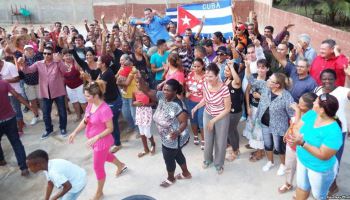
The organization also refers to several incidents involving entire churches or, in the case of arrests, dozens of parishioners and cites as examples that every week, dozens of women linked to the Ladies in White, and a large number of activists from human rights, have been temporarily detained to prevent them from attending Sunday mass and other religious events in the middle of the week.
13C17E68-657C-4D58-9B99-432163A10B34_w987_r1_s

It condemns human rights activists linked to religious organizations as a particular target of the Government, which for a long time has tried to isolate them socially and separate them from communities of faith. CSW highlighted in its report that a problem that affects a wide variety of religious groups in Cuba is the right to be legally recognized.

All the religious groups of the Island must be registered in the Ministry of Justice to operate legally. Some groups such as the Jehovah’s Witnesses have not been able to register again, which makes them technically illegal.

Other groups, such as the Free Association of Afro-Cuban Yoruba, are not registered because they want to remain independent of the government’s influence or control. In the case of the Apostolic Movement, the right to register has been denied, emphasizes the organization.

He notes that while all religious groups experience violations of their rights, unregistered groups are the most vulnerable and suffer some of the most heinous violations, since their unregistered status means their own existence is illegal.

Other evidences presented by the 2017 report are the case of the Old Catholic Church, based in Santa Clara, which requested legal status since July 2007 and is still awaiting a response from the Government.

The report highlights that the regime continued to harass the headquarters of churches affiliated with registered and unregistered religious groups, and in other cases denied applications for registration filed in 2017, or were not answered.

83D1CCBD-492C-49DB-9C42-3ABC1811A1F7_w974_n_s_369x274_exact_1453396181

CSW recalls that many churches have been waiting for more than 20 years to obtain legal permission to exist, forcing many to meet illegally. This makes them vulnerable to the confiscation or demolition of their temples, he adds.

In cases of harassment, the report states that several religious leaders have reported that the Cuban government seeks to intimidate them to interfere with the activities of their congregations. Quote the Baptist Church of Majagua, registered in the Eastern Baptist Convention, which reported that dead and rotten animals were thrown on the property of the pastor on numerous occasions in the last 18 months, and despite the filing of a formal complaint, the Government he has not responded or carried out any type of investigation.

Another case is that of the leaders of the Old Catholic Church in Santa Clara. They reported that a neighbor, who is also the president of the Committee for the Defense of the Revolution (CDR), installs audio equipment on the exterior to play music at very high volumes in order to interrupt the services of the church every Sunday.

The Emmanuel Church and its leadership, which is part of the Apostolic Movement in Santiago de Cuba, persecuted by the Government for more than a decade, also reported ongoing problems, such as the case of Rudisbel Rivera Robert, a religious leader who owns the land in the one that is built a temple. Rivera has been cited and interrogated on several occasions as part of a long-standing government tactic to pressure homeowners to avoid religious activities.

The organization recapitulates that in 2014 there were 220 violations of this nature, 180 in 2013, 120 in 2012 and 40 in 2011, which shows that the problem has been continuously increasing.

logo

EN CUBA “TESTIGOS DE JEHOVA” Y OTRAS ORGANIZACIONES RELIGIOSAS SON VIOLADOS SUS DERECHOS DE CULTO.

La organización Solidaridad Cristiana Mundial (CSW, sus siglas en inglés) denunció el jueves en un nuevo informe un incremento de las violaciones de los derechos religiosos y de culto en la Isla durante el 2017.

De enero a diciembre de 2017, CSW documentó 325 violaciones a los derechos religiosos y de culto.
502014171_univ_pnr_lg

Para Kiri Kankhwende, vocera de la organización citada por Martí Noticias, ello evidencia la tendencia del Gobierno cubano y la Oficina de Asuntos Religiosos de hostigar a líderes de la iglesia de todas las denominaciones.

El reporte recoge detalles sobre la restricción severa a eventos religiosos públicos, incluida la interrupción y la detención de un evento de culto interconfesional en el oriente de Cuba, que había recibido permiso anticipado de las autoridades locales.

La organización hace referencia además a varios incidentes que involucraron a iglesias enteras o, en el caso de detenciones, a docenas de feligreses y pone como ejemplo que cada semana, decenas de mujeres vinculadas a las Damas de Blanco, y un gran número de activistas de derechos humanos, han sido detenidas temporalmente para evitar que asistan a la misa del domingo y a otros eventos religiosos a mitad de semana.

Condena que los activistas de derechos humanos vinculados a organizaciones religiosas fueron un objetivo particular del Gobierno, que desde hace mucho tiempo ha tratado de aislarlos socialmente y separarlos de las comunidades de fe. CSW destacó en su informe que un problema que afecta a una gran variedad de grupos religiosos en Cuba es el derecho a ser reconocidos legalmente.

Todos los grupos religiosos de la Isla deben estar registrados en el Ministerio de Justicia para operar legalmente. Algunos grupos como los Testigos de Jehová no han podido volver a registrarse, lo que los hace técnicamente ilegales.
Logo-CSW

También otros grupos, como la Asociación Libre de Yoruba Afrocubana, no están registrados porque desean permanecer independientes de la influencia o el control del Gobierno. En el caso del Movimiento Apostólico, le ha sido negado el derecho a registrarse, subraya la organización.

Señala que si bien todos los grupos religiosos experimentan violaciones de sus derechos, los grupos no registrados son los más vulnerables y sufren algunas de las violaciones más atroces, ya que su estado no registrado significa que su propia existencia es ilegal.

Otras evidencias presentadas por el reporte de 2017 son el caso de la Antigua Iglesia Católica, con sede en Santa Clara, que solicitó estatus legal desde julio de 2007 y aún está esperando una respuesta del Gobierno.

El reporte destaca que el régimen siguió acosando las sedes de iglesias afiliadas a grupos religiosos registrados y no registrados, y en otros casos negó las solicitudes de registro presentadas en 2017, o no fueron respondidas.

CSW recuerda que muchas iglesias han estado esperando más de 20 años para obtener permiso legal para existir, lo que obligó a muchas a reunirse ilegalmente. Esto las hace vulnerables a la confiscación o demolición de sus templos, añade.
download (1)

En los casos de hostigamiento, el informe precisa que varios líderes religiosos han reportado que el gobierno cubano busca intimidarlos para interferir con las actividades de sus congregaciones. Cita la Iglesia Bautista de Majagua, registrada en la Convención Bautista del Este, que reportó que animales muertos y podridos fueron arrojados a la propiedad del pastor en numerosas ocasiones en los últimos 18 meses, y a pesar de la presentación de una queja formal, el Gobierno no ha respondido ni ha llevado a cabo ningún tipo de investigación.

Otro caso es el de los líderes de la Antigua Iglesia Católica en Santa Clara. Estos informaron que un vecino, que también es el presidente del Comité de Defensa de la Revolución (CDR), instala equipos de audio en los exteriores para reproducir música a volúmenes muy altos con el fin de interrumpir los servicios de la iglesia todos los domingos.

La Iglesia Emmanuel y su liderazgo, que es parte del Movimiento Apostólico en Santiago de Cuba, perseguida por el Gobierno por más de una década, también informó de problemas continuos, como el caso de Rudisbel Rivera Robert, un líder religioso dueño de la tierra en la que está edificado un templo. Rivera ha sido citado e interrogado en varias ocasiones como parte de una táctica gubernamental de larga data para presionar a los propietarios a fin de evitar actividades religiosas.

La organización recapitula que en 2014 se registraron 220 violaciones de esta naturaleza, 180 en 2013, 120 en 2012 y 40 en 2011, lo que evidencia que el problema ha ido en continuo aumento.

Agencies/DDC/Various/Excerpts/Internet Photos/Arnoldo Varona/TheCubanHistory.com
THE CUBAN HISTORY, HOLLYWOOD.
cuba_beach_marea_del_portillo

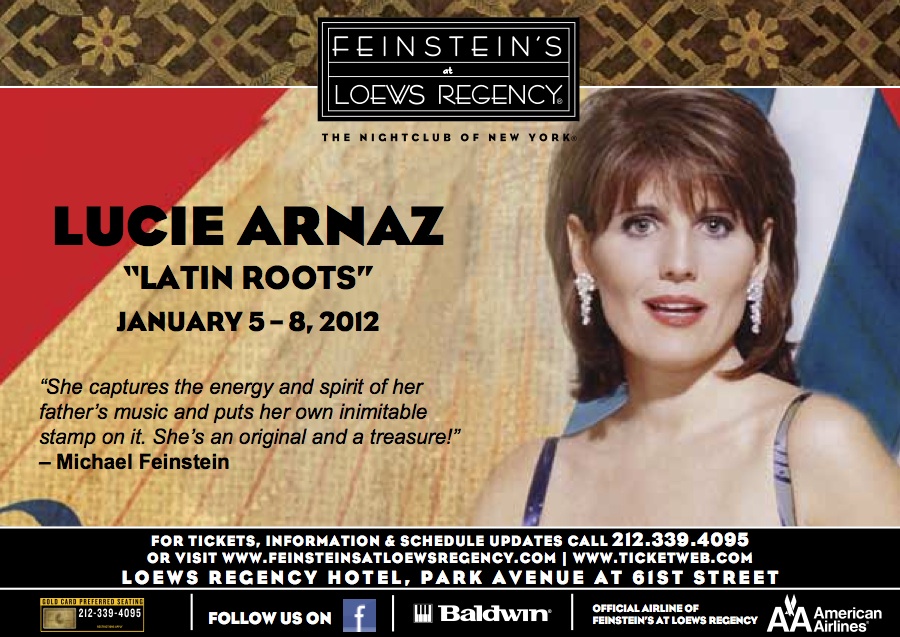
> LUCY ARNAZ, Actress, Singer, Producer (Cuban Descendant). Video/Photos. <> LUCY ARNAZ, Actriz, Productora, Cantante (Descendiente Cubana). Fotos.

t66973971-b1144268920_s400

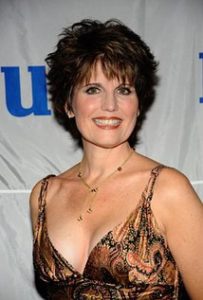
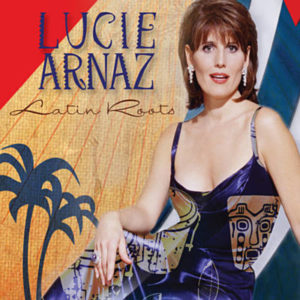
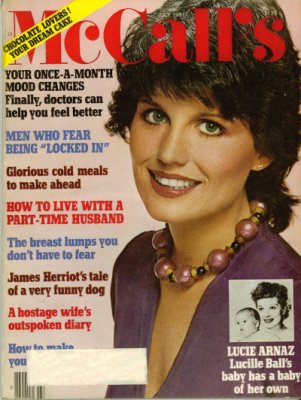
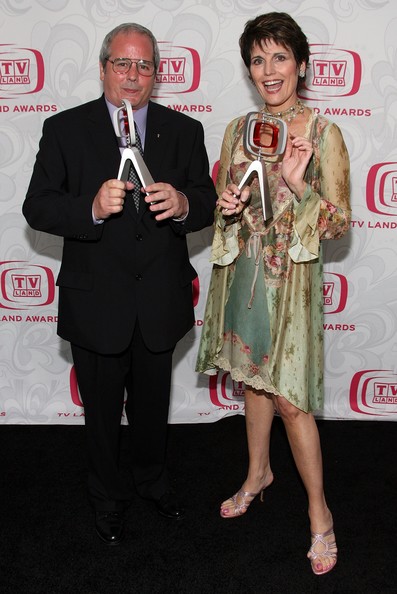
Lucie Désirée Arnaz was born on July 17, 1951 is an American actress, singer, dancer, and producer.

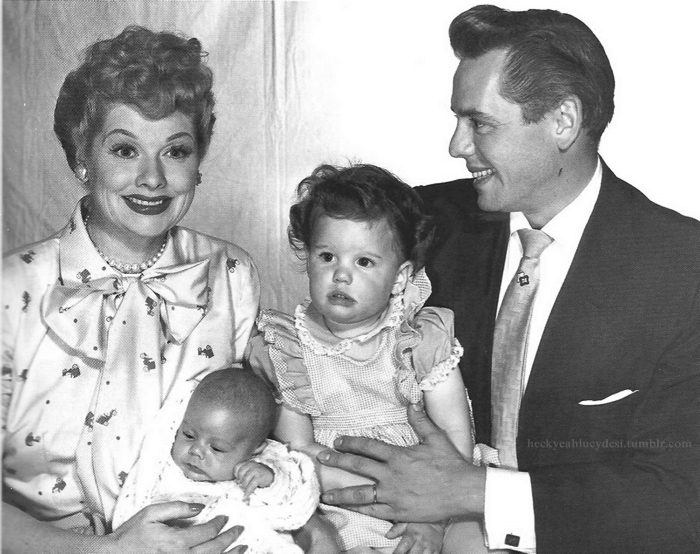
She is the daughter of film and theater actress Lucille Ball and the Cuban actor Desi Arnaz, and is the sister of actor Desi Arnaz, Jr.

Lucie Arnaz was born and raised in Los Angeles, and attended the Roman Catholic Immaculate Heart High School.

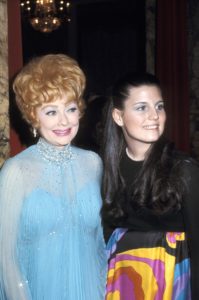
Having had walk-on parts in her mother’s television series The Lucy Show, Arnaz made her first acting appearance in a continuing role in the series Here’s Lucy from 1968 to 1974. She played Kim Carter, the daughter of the eponymous Lucy—who was played by Arnaz’s real-life mother, Lucille Ball.

Arnaz branched out into television roles independent of her family from the mid-1970s. In 1975, she played infamous murder victim Elizabeth Short in a production of Who is the Black Dahlia?, while in 1978, she appeared in an episode of Fantasy Island as a woman desperately trying to save her marriage. She has continued to make appearances in a number of popular television series over the years, including Murder, She Wrote, Marcus Welby M.D., Sons and Daughters, and Law & Order. Arnaz also briefly had a series of her own, The Lucie Arnaz Show, in 1985.

1LuciemcCalls8107

She has also had a lengthy career in musical theatre. In the summer of 1978, she played the title role in Annie Get Your Gun at the Jones Beach Theatre on Long Island. This was the first production at Jones Beach Theatre after the death of longtime producer Guy Lombardo. She made her Broadway debut in 1979 in the musical They’re Playing Our Song. Arnaz won the Theatre World Award and the Los Angeles Drama Critics Circle Award for Best Actress in a Musical for her portrayal of Sonia Walsk in the show.

Arnaz also made some feature film appearances, the most prominent of which was 1980’s The Jazz Singer, in which she co-starred with singer Neil Diamond and renowned actor Laurence Olivier. She earned a Best Supporting Actress Golden Globe nomination for her work in the film.

She won an Emmy Award in 1993 for her documentary Lucy and Desi: A Home Movie.

In the summer of 2010, Arnaz performed in (along with Raul Esparza and Valarie Pettiford) and directed “Babalu: A Celebration of the Music of Desi Arnaz and his Orchestra”. There was a Miami, Florida performance in July 2010.

She appeared live on stage in Jamestown, New York at the Reg Lenna Palace Civic Center on Friday August 3, 2012 to promote the Lucille Ball Festival of New Comedy in which new comedians are invited to perform. She gave tribute to both her parents, and expressed a desire to further expand the Festival of New Comedy and expand the Jamestown New York Lucy Fest. She gave the history behind the Lucy-Desi Museum and Lucy-Desi Playhouse, and the 2011 one hundred year birthday bash for Lucille Ball (which was recorded in the Guinness Book of World records for the highest number of people dressed like Lucille Ball in one place at one time), and announced intent to start utilizing the recently renovated Jamestown train station to further the mission and vision of the Lucille Ball Festival of New Comedy.

5th+Annual+TV+Land+Awards+Backstage+Audience+-mUyiAvWg4Xl

Personal life.

She has been twice married, to actor Phil Vandervort (July 17, 1971 – 1977) and Laurence Luckinbill (June 22, 1980 – present), who is the uncle of Lana and Andy Wachowski.

She and actor-writer Luckinbill have three children together: Simon, Joseph and Katharine. Luckinbill has two sons from his previous marriage: Nicholas and Benjamin.

She shares a birthday with her uncle, her mother’s brother, Fred Ball.

logo

LUCY ARNAZ, ACTRIZ, CANTANTE, PRODUCTORA.

LucieArnaz_4x6postcard-2

Lucie Désirée Arnaz nació el 17 de julio de 1951. Es una actriz, cantante, bailarina y productora estadounidense.

Ella es la hija de la actriz de cine y teatro Lucille Ball y el actor cubano Desi Arnaz, y es la hermana del actor Desi Arnaz, Jr.

Lucie Arnaz nació y se crió en Los Ángeles, y asistió a la escuela católica romana Inmaculada Heart High School.

Arnaz Family

Después de haber tenido partes en la serie de televisión de su madre The Lucy Show, Arnaz hizo su primera aparición en la actuación en un papel continuo en la serie Here’s Lucy de 1968 a 1974. Interpretó a Kim Carter, la hija de la misma Lucy, quien jugó por la madre de la vida real de Arnaz, Lucille Ball.

Arnaz se diversificó en roles televisivos independientes de su familia desde mediados de los años setenta. En 1975, interpretó a la infame víctima de asesinato Elizabeth Short en una producción de Who is the Black Dahlia ?, mientras que en 1978, apareció en un episodio de Fantasy Island como una mujer que intenta desesperadamente salvar su matrimonio. Ella ha seguido haciendo apariciones en varias series de televisión populares a lo largo de los años, incluyendo Murder, She Wrote, Marcus Welby M.D., Hijos e Hijas, y Law & Order. Arnaz también tuvo brevemente una serie propia, The Lucie Arnaz Show, en 1985.

lucille-ball-lucie-arnaz

Ella también ha tenido una larga carrera en el teatro musical. En el verano de 1978, interpretó el papel principal en Annie Get Your Gun en el Jones Beach Theatre en Long Island. Esta fue la primera producción en el Teatro Jones Beach después de la muerte del productor de larga data Guy Lombardo. Hizo su debut en Broadway en 1979 en el musical They’re Playing Our Song. Arnaz ganó el premio Theatre World Award y el premio Los Angeles Drama Critics Circle a la mejor actriz en un musical por su interpretación de Sonia Walsk en el espectáculo.

Arnaz también hizo algunas apariciones en el cine, la más destacada fue The Jazz Singer de 1980, en la que coprotagonizó con el cantante Neil Diamond y el famoso actor Laurence Olivier. Obtuvo una nominación al Mejor Globo de Oro de la Mejor Actriz de Reparto por su trabajo en la película.

Ella ganó un Premio Emmy en 1993 por su documental Lucy and Desi: A Home Movie.

En el verano de 2010, Arnaz actuó en (junto con Raúl Esparza y ​​Valarie Pettiford) y dirigió “Babalu: Una celebración de la música de Desi Arnaz y su orquesta”. Hubo una actuación en Miami, Florida en julio de 2010.

MV5BMjA5MjAxOTcyMl5BMl5BanBnXkFtZTcwMjY3NDU2Mg@@._V1_UX214_CR0,0,214,317_AL_

Apareció en vivo en el escenario en Jamestown, Nueva York, en el Civic Center Reg Lenna Palace el viernes 3 de agosto de 2012 para promocionar el Lucille Ball Festival of New Comedy en el que nuevos comediantes están invitados a tocar. Ella rindió homenaje a sus dos padres y expresó su deseo de expandir aún más el Festival de Nueva Comedia y expandir el Jamestown New York Lucy Fest. Ella dio la historia detrás del Museo Lucy-Desi y Lucy-Desi Playhouse, y la fiesta de cumpleaños de cien años 2011 para Lucille Ball (que fue registrada en el Libro Guinness de los récords mundiales para el mayor número de personas vestidas como Lucille Ball en una colocar al mismo tiempo), y anunció su intención de comenzar a utilizar la recientemente renovada estación de tren de Jamestown para promover la misión y la visión del Festival de la Nueva Comedia Lucille Ball.

Vida personal.

Ha estado casada dos veces, con el actor Phil Vandervort (17 de julio de 1971 – 1977) y Laurence Luckinbill (22 de junio de 1980 – actualidad), quien es el tío de Lana y Andy Wachowski.

Ella y el actor y escritor Luckinbill tienen tres hijos juntos: Simon, Joseph y Katharine. Luckinbill tiene dos hijos de su matrimonio anterior: Nicholas y Benjamin.

Ella comparte un cumpleaños con su tío, el hermano de su madre, Fred Ball.

Agencies/Wiki/Internet Photos/YouTube/Arnoldo Varona/TheCubanHistory.com
THE CUBAN HISTORY, HOLLYWOOD.
mejores_playas_de_cuba_308229236_1400x933

> LETTER FROM THREE CATHOLIC PRIESTS inside Cuba addressed to Raúl Castro Ruz. (2018). <> CARTA DE TRES CURAS CATOLICOS CUBANOS Dentro de Cuba Dirigida a Raúl Castro Ruz. (2018).

iglesia-cubana

The past first of January, the 59th anniversary of the triumph of a Revolution was commemorated. A necessary Revolution before the atrocities committed with impunity by a power that had turned against this people. Many fought and many died to give their children a Cuba where they could live in freedom, peace and prosperity.

Today, almost six decades later, we have sufficient arguments to evaluate what we have experienced in our land.

Since the institutionalization of the Communist Party as the only party authorized to exist, this people has never been allowed to raise a different voice, rather, every different voice that has tried to make itself heard has been silenced.

This totalitarian style has permeated every layer of society. Cubans know they have no freedom of expression, they take care to say what they think and feel, because they live in fear, often even, of those with whom they live every day: schoolmates, workmates, neighbors, acquaintances and relatives. We live in a web of lies that goes from home to the highest spheres. We say and do what we do not believe or feel, knowing that our interlocutors do the same. We lie to survive, hoping that someday this game ends or an escape route appears in a foreign land. Jesus Christ said: “the truth will set you free.” We want to live in the truth.

The monopoly and control of social media means that nobody can access public media freely. In the same way, there is no alternative education. Every Cuban child has the obligation of schooling and access to school, but to a single school model, to a single ideology, to the teaching of a single way of thinking. Cubans have the right to have educational alternatives and options for the education of thought, Cuban parents have the right to choose what kind of education they want for their children.

It is lamentable the economic helplessness that this town lives, forced by the circumstances to beg for the help of relatives who managed to go abroad or to the foreigners who visit us; to apply the fair compensation or to steal everything he can, renaming the theft with delicate words that help the conscience not to be shown in all its harshness. Many families lack a minimally stable economy that allows them to serenely acquire the basics of living. Eating, dressing and fitting children is a daily problem, public transport is a problem, even access to many medications is a problem. And in the middle of this town that struggles to survive, the silent suffering of the elderly, often silently unprotected, is inserted. How can you say that it is from the people, the capital that the people do not decide what is done with it? How to maintain the necessary public institutions if you do not have the necessary resources? Why are foreigners invited to invest with their money and are not allowed to invest Cubans in equal opportunities? Cubans have the right to participate as investors in the economy and in the negotiations of our country.

And to all this is added the lack of religious freedom. The Church is tolerated, but it is constantly monitored and controlled. Full religious freedom is reduced with controlled freedom of worship permits. Christians can come together to share their faith, but they are not allowed to build a temple. The Church can make processions and even public Masses, but always on condition of an express permission from the authorities that, if it is not granted, does not allow an appeal or explanation. The Church can raise its voice in the temples, but it does not have free access to the mass media and, in the few moments when this happens, it is always under censorship. The laity are censored when they try to apply their faith to political and social practice.

This social dynamic that has resulted in Cuba has forgotten the person, his dignity as a child of God and his inalienable rights; almost 60 years after this town believed in an ideal that is always postponed and never realized. When someone questions, when someone raises their voice, they only find vulnerability and exclusion.

We want a country where life is more respected from conception to natural death, where the union of the family is strengthened and the marriage between a man and a woman is cared for; in which pensions reach our elders to live; in which professionals can live with dignity with their salaries; where citizens can become entrepreneurs and there is more freedom of work and recruitment for athletes and artists. Young Cubans should find work opportunities that allow them to develop their talents and skills here and not see the only way out of Cuba.

We have a legality subject to a power, the absence of a “State of Law”. The clear distinction and independence of the three powers is essential: executive, legislative and judicial. We want our judges not to be pressured, that the law be order, that illegality is not a way of subsisting or a weapon of domination. Let our Capitol be filled with legislators who, with full power, represent the interests of their constituents.

Our people are discouraged and tired, there is a stagnation that can be summed up in two words: survive or escape. Cubans need to live the joy of “thinking and speaking without hypocrisy” with different political criteria. We are tired of waiting, tired of running away, tired of hiding. We want to live our own life.

This letter also has a purpose, which is a right: We want to choose in freedom. In Cuba there are votes, not elections. Elections are urgent where we can decide not only our future, but also our present. Now we are invited to “vote”, to say “yes” to what already exists and there is no will to change. Choosing implies, in itself, different options, choosing implies the possibility of taking several paths.

If we write this letter is to prevent one day, for some reason, Cuba is submerged in violent changes that would only add more useless suffering. We still have time to make a progressive process towards a plurality of options that allows a favorable change for all. But time is running out, I urge you to open the door.

It’s no use hiding the truth. It is useless to pretend that nothing happens. It is useless to cling to power. Our Master Jesus Christ tells Cubans today: “What does it profit a man to gain the whole world, if he ruins his life?” We are in time to build a different reality. We have time to make a Cuba as Marti wanted: “with everyone and for the good of all”.

We are entrusted to the intercession of the Virgin of Charity, Patroness of Cuba. She, Mother of all Cubans, intercede before the Lord of history who, as he said in Cuba, His Holiness Benedict XVI: “God not only respects human freedom, but seems to need it,” so that we can always choose the greater good for all.

logo

CARTA DE TRES CURAS CATOLICOS CUBANOS DENTRO DE CUBA DIRIGIDA A RAÚL CASTRO RUZ.

iglesiacatolicacubana

El pasado primero de enero se ha conmemorado el 59 aniversario del triunfo de una Revolución. Una Revolución necesaria ante las atrocidades cometidas impunemente por un poder que se había vuelto contra este pueblo. Muchos lucharon y muchos murieron por dar a sus hijos una Cuba donde se pudiera vivir en libertad, en paz y prosperidad.

Hoy, casi seis décadas después, tenemos argumentos suficientes para evaluar qué hemos vivido en nuestra tierra.

Desde la institucionalización del Partido Comunista como el único partido autorizado a existir, nunca se ha permitido a este pueblo alzar una voz diferente, antes bien, toda voz diferente que ha intentado hacerse oír ha sido silenciada.

Este estilo totalitario ha permeado cada capa de la sociedad. Los cubanos saben que no tienen libertad de expresión, se cuidan para decir lo que piensan y sienten, porque viven con miedo, muchas veces incluso, de aquellos con quienes conviven cada día: compañeros de escuela, de trabajo, vecinos, conocidos y familiares. Convivimos en un entramado de mentiras que va desde el hogar hasta las más altas esferas. Decimos y hacemos lo que no creemos ni sentimos, sabiendo que nuestros interlocutores hacen lo mismo. Mentimos para sobrevivir, esperando que algún día este juego termine o aparezca una vía de escape en una tierra extranjera. Jesucristo dijo: “la verdad los hará libres”. Queremos vivir en la verdad.

El monopolio y control de los medios de comunicación social hace que nadie pueda acceder a medios públicos de comunicación de modo libre. Del mismo modo, no existe, una educación alternativa. Todo niño cubano tiene la obligación de escolarizarse y acceso a la escuela, pero a un solo modelo de escuela, a una sola ideología, a la enseñanza de un único modo de pensar. Los cubanos tienen el derecho a tener alternativas educacionales y opciones para la educación del pensamiento, los padres cubanos tienen el derecho a elegir qué tipo de educación desean para sus hijos.

Es lamentable el desamparo económico que vive este pueblo, obligado por las circunstancias a mendigar la ayuda de familiares que lograron marchar al extranjero o a los extranjeros que nos visitan; a aplicar la justa compensación o a robar todo lo que puede, renombrando al robo con palabras delicadas que ayuden a la conciencia a no mostrarse en toda su crudeza. Muchas familias carecen de una economía mínimamente estable que les permita adquirir serenamente lo básico para vivir. Comer, vestir y calzar a los hijos es un problema cotidiano, el transporte público es un problema, incluso el acceso a muchos medicamentos es un problema. Y en medio de este pueblo que lucha por sobrevivir, se inserta el sufrimiento callado de los ancianos, muchas veces silenciosamente desprotegidos. ¿Cómo se puede decir que es del pueblo, el capital que el pueblo no decide qué se hace con él? ¿Cómo mantener las necesarias instituciones públicas si no se cuenta con los recursos necesarios? ¿Por qué se invita a que vengan extranjeros a invertir con su dinero y no se permite invertir a los cubanos en igualdad de oportunidades? Los cubanos tienen derecho a participar como inversores en la economía y en las negociaciones de nuestra patria.

Y a todo esto se suma la falta de libertad religiosa. La Iglesia es tolerada, pero no deja de ser vigilada y controlada. Se reduce la plena libertad religiosa con una controlada libertad de permisos de culto. Los cristianos pueden reunirse a compartir su fe, pero no les es permitido construir un templo. La Iglesia puede hacer procesiones e incluso misas públicas, pero siempre a condición de un permiso expreso de las autoridades que, de no otorgarlo, no permite apelación ni da explicación. La Iglesia puede alzar su voz en los templos, pero no tiene acceso libre a los medios masivos de comunicación y, en los escasos momentos en que esto ocurre, es siempre bajo censura. Los laicos son censurados cuando intentan aplicar a la práctica política y social su fe.

Esta dinámica social que ha resultado en Cuba, ha olvidado a la persona, su dignidad de hijo de Dios y sus derechos inalienables; casi 60 años después de que este pueblo creyera en un ideal que siempre se pospone y nunca se realiza. Cuando alguien cuestiona, cuando alguien alza la voz, sólo encuentra vulnerabilidad y exclusión.

Queremos un país donde se respete más la vida desde su concepción hasta la muerte natural, donde se fortalezca la unión de la familia y se cuide el matrimonio entre un hombre y una mujer; en el que las pensiones alcancen a nuestros ancianos para vivir; en el que los profesionales puedan vivir dignamente con sus salarios; en el que los ciudadanos puedan convertirse en empresarios y haya más libertad de trabajo y contratación para los deportistas y artistas. Los jóvenes cubanos deberían encontrar posibilidades de trabajo que les permita desarrollar sus talentos y capacidades aquí y no vean como única salida irse de Cuba.

Tenemos una legalidad supeditada a un poder, la ausencia de un “Estado de Derecho”. Se hace imprescindible la clara distinción e independencia de los tres poderes: ejecutivo, legislativo y judicial.Queremos que nuestros jueces no sean presionados, que la ley sea orden, que la ilegalidad no sea una manera de subsistir o un arma de dominio. Que nuestro Capitolio se llene de legisladores que, con pleno poder, representen los intereses de sus electores.

Nuestro pueblo está desanimado y cansado, existe un estancamiento que se resume en dos palabras: sobrevivir o escapar. Los cubanos necesitan vivir la alegría de “pensar y hablar sin hipocresía” con distintos criterios políticos. Estamos cansados de esperar, cansados de huir, cansados de escondernos. Queremos vivir nuestra propia vida.

Esta carta tiene también un propósito, que es un derecho: Queremos elegir en libertad. En Cuba hay votaciones, no elecciones. Urgen elecciones donde podamos decidir no sólo nuestro futuro, sino también nuestro presente. Ahora se nos invita a “votar”, a decir “sí” a lo que ya existe y no hay voluntad de cambiar. Elegir implica, de por sí, opciones diferentes, elegir implica la posibilidad de tomar varios caminos.

Si escribimos esta carta es para evitar que un día, por alguna circunstancia, Cuba se sumerja en cambios violentos que sólo añadirían más sufrimiento inútil. Todavía tenemos tiempo de hacer un proceso progresivo hacia una pluralidad de opciones que permita un cambio favorable para todos. Pero el tiempo se acaba, apremia abrir la puerta.

De nada sirve ocultar la verdad. De nada sirve fingir que no pasa nada. De nada sirve aferrarse al poder. Nuestro Maestro Jesucristo nos dice a los cubanos hoy: “¿De qué le sirve al hombre ganar el mundo entero, si arruina su vida?” Estamos a tiempo de construir una realidad diferente. Estamos a tiempo de hacer una Cuba como la deseaba Martí: “con todos y para el bien de todos”.

A la intercesión de la Virgen de la Caridad, Patrona de Cuba, nos encomendamos. Ella, Madre de todos los cubanos, interceda ante el Señor de la historia que, como dijo en Cuba, Su Santidad Benedicto XVI: “Dios no solo respeta la libertad humana, sino que parece necesitarla”, para que podamos elegir siempre el bien mayor para todos.

Padre Castor José Álvarez de Devesa, Cura del Modelo, Camagüey.

Padre José Conrado Rodríguez Alegre, Párroco de San Francisco de Paula, Trinidad, Cienfuegos.

Padre Roque Nelvis Morales Fonseca, Párroco de Cueto, Holguín.

Agencies/DDC/Internet Photos/Arnoldo Varona/TheCubanHistory.com
THE CUBAN HISTORY, HOLLYWOOD.
nonfeatured-cuba-travel-tips