– WHERE COMES from José the Nickname “Pepe” ?. – DE DONDE PROVIENE de José el Apodo “PEPE” ?.

haha_48 Is difficult not knowing to a “Pepe”. Yes, because that name is very frequent and multiplied in our language. But, what Pepe? Let’s make a little history.
marti-joven

It more secure is that its origin was the of the abbreviation P.P. in them written old when is concerned to Jose, “father” of Jesus that also is put in them feet of them statues of this holy and when someone read the New Testament, to the refer is to it, said “Pater Putatibus” that then would be simplified orally to P.P. that gave origin to Pepe.

Another possible origin of Pepe is which includes the very well-known and prestigious dictionary of words of Alberto Buitrago and Agustín Torijano (piublicado in 1998) where States that the name of Joseph derived in Josef and then Josep and arriving in Castile the final p (per cacophony of speech) became pe. Thus arose after Pepe’s.

It could also be the origin of this word the word Italian Giuseppe (Joseph meaning) that going to the area Spanish-speaking turned into Giusepepe (Josepepe), and hence would be about Pepe as affectionate diminutive.

hqdefault

On the other hand, in it was Napoleon, during the short domination of Spain (1808-1816) is known that Napoleon Bonaparte named King of Spain to its brother greater Giuseppe with the name of Jose I of Spain (Giuseppe was corso and that then Corsica was of France). The case is that the Spaniards began to baptize the King as Pepe Botella, because the first law promulgated was the abolition of tax to alcohol (said that alcohol liked very much and was a real drunk). Why some say that Pepe de los José was born.

Is possible that Pepe derive of the last name d euna such Glugielmo Pepe, a general napolitano of the century 18th-19th (1784-1855) that directed the insurereecion Neapolitan in 1820, but was defeated by them troops Austrian in Rieti (of there came “fell as a Pepe” although I think that this phrase derives from the fall of Pepe bottle as King of Spain).

It is also possible, though I doubt it enough, that the voice of Pepe derives from the Pipinedas; a family of Austrasia descendant of Pepin of Landen (dead in the year 640) who founded the dynasty Carolingian in which highlighted several Pipinos, especially Pepin of Heristal (called Pepin the young) (635-714) that was father of the famous Carlo Martel and Pepin the short (715-768) son of the same Carlos Martel who to the die divided the Empire enter us two children Carloman and Charlemagne.
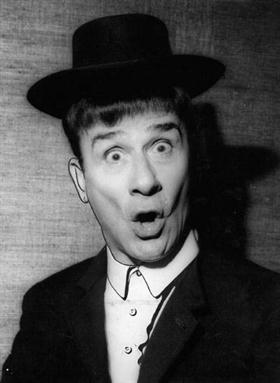
324573w280

More insecure yet is that the word Pepe derives from two Pharaohs of the old Gazans who had the name of Pepe (some books cited them as Pepi). These I Pepe and Pepe II were from the period from the end of the sixth dynasty (of Saqqara) when you escriubio the Papyrus of Ani. But this Pepe is Egyptian name and the West is of Hebrew origin and means “the help” relating to the Lord.

There are those who say that Pepe was brought by Gypsies to Spain in the middle of the 15th century (the first written news of Gypsies in Spain is a document of King Alfonso V of Aragon called “King pass the Juan Conde de Menor Egpto”), although he was already known in Hungary and it seems that it is reflection of his stay in Egypt (which starts from the Pepe Pharaohs of Saqqara).

We could investigate more about the origin of this term but insist that it is safest to you have originated with P.P. by Jose (husband of Maria and father of Jesus) or the diminutive of Giuseppe (that also could have been the case). Neither rule out of their Roma origin. The other alternatives are difficult to accept.
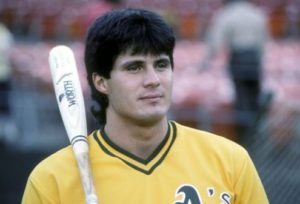
Captura86

The list of the Jose (Pepe) distinguished in the greater Antillean archipelago is so extensive that only going to mention a few:

José Martí, José Maceo, José de la Luz and Caballero, José Francisco Martí (the son of the national hero of Cuba), José María Heredia, José Jacinto Milanés, José Victoriano Betancourt, José Miró Argenter, Jose Morales Lemus, José Leocadio Bonachea, José (Pepe Antonio) Gomez, José Quintino (Quintin) flags, José Antonio Echeverría, Jose Luis Tassende, Jose (Pepito) Tey, José White, José de la Caridad Méndez José Luciano Franco, José María Chacón and Calvo, José Lezama Lima, Joseíto Fernández, José Soler Puig, José Antonio Portuondo, and many others.

Agencies / Various/Internet Photos/Arnoldo Varona/TheCubanHistory.com
THE CUBAN HISTORY, HOLLYWOOD.

logo-5

haha_48 DE DONDE PROVIENE DE LOS JOSÉ EL APODO “PEPE”.

Es difícil no conocer a un “Pepe”. Sí, porque ese nombre es muy frecuente y multiplicado en nuestra lengua. Pero, ¿Por qué Pepe? Hagamos un poco de historia.

Lo más seguro es que su origen fuese el de la abreviatura P.P. en los escritos antiguos cuando se referían a José, “padre” de Jesús que además se ponía en los pies de las estatuas de este santo y cuando alguien leía el Nuevo Testamento, al referirse a él, decía “Pater Putatibus” que luego sería simplificado oralmente a P.P. que dío origen a Pepe.

marti-joven

Otro posible origen de Pepe es el que recoge el muy conocido y prestigioso Diccionario de Palabras de Alberto Buitrago y Agustín Torijano (piublicado en 1998) donde se señala que el nombre de Joseph derivó en Josef y luego en Josep y al llegar a Castilla la p final (por cacofonía del habla) pasó a pe. De ahí surgió después lo de Pepe.

También pudo ser el origen de esta palabra la voz italiana Giuseppe (que significa José) que al pasar a la zona hispano hablante se trocó en Giusepepe (Josepepe) y de ahí saldría lo de Pepe como diminutivo cariñoso.

Por otro lado, en la era napoléonica, durante la corta dominación de España (1808-1816) es conocido que Napoleón Bonaparte nombró rey de España a su hermano mayor Giuseppe con el nombre de José I de España (Giuseppe era corso y aquel entonces Córcega era de Francia). El caso es que los españoles comenzaron a bautizar al rey como Pepe Botella, porque la primer aley que promulgó fue la abolición de impuesto al alcohol (se decía que a él le gustaba mucho el alcohol y era un verdadero borracho). De ahí dicen algunos que nació el Pepe de los José.

Es posible que Pepe derive del apellido d euna tal Glugielmo Pepe, un general napolitano del siglo XVIII-XIX (1784-1855) que dirigió la insurereeción napolitana en 1820, pero fue derrotado por las tropas austríacas en Rieti (de ahí vino “cayó como un Pepe” aunque yo creo que esta frase deriva de la caida de Pepe Botella como rey de España).

hqdefault

También es posible, aunque lo dudo bastante, que la voz Pepe derive de los Pipínedas; una familia de Austrasia descendiente de Pipino de Landen (muerto en el año 640) quien fundó la dinastía carolingia en la que destacaron varios Pipinos, sobre todo Pipino de Heristal (llamado Pipino el Joven) (635-714) que fue padre del célebre Carlo Martel y Pipino el Breve (715-768) hijo del mismo Carlos Martel quien al morir dividió el imperio entres us dos hijos Carlomán y Carlomagno.

Más inseguro todavía es que el vocablo Pepe derive de dos faraones del antiguo Egipo que tenían el nombre de Pepe (algunos libros los citan como Pepi).Estos Pepe I y Pepe II fueron de la época de finales de la VI Dinastia (de Saqqara) de cuando se escriubió el papiro de Ani. Pero este Pepe es nombre egipcio y el José occidental es de origen hebreo y quiere decir “Ël ayudará” referiéndose a Jehová.

Hay quienes dicen que Pepe fue traído por los gitanos a España a mediados del siglo XV (la primera noticia escrita de gitanos en España es un documento del Rey Alfonso V de Aragón llamado “Salvoconducto de rey al Conde Juan de Egpto Menor), aunque ya lo conocían en Hungría y parece ser que es reflejo de su estadía en Egipto (por lo que arranca de los Pepe faraones de Saqqara).

Captura86

Podriámos investigar algo más sobre el origen de este vocablo pero insisto en que lo más seguro es que se originó con el P.P. de José (esposo de María y padre de Jesús) o del diminutivo de Giuseppe (que también pudo haber sido este el caso). Tampoco descarto lo de su origen gitano. Las demás alternativas son difíciles de aceptar.

La lista de los José (Pepe) distinguidos en el mayor archipiélago antillano es tan extensa que solo voy a mencionar algunos:

José Martí, José Maceo, José de la Luz y Caballero, José Francisco Martí (el hijo del Héroe Nacional de Cuba), José María Heredia, José Jacinto Milanés, José Victoriano Betancourt, José Miró Argenter, José Morales Lemus, José Leocadio Bonachea, José (Pepe Antonio) Gómez, José Quintino (Quintín) Banderas, José Antonio Echeverría, José Luís Tassende, José (Pepito) Tey, José White, José de la Caridad Méndez, José Luciano Franco, José María Chacón y Calvo, José Lezama Lima, Joseíto Fernández, José Soler Puig, José Antonio Portuondo, y tantos otros.

Agencies/ Various/Internet Photos/Arnoldo Varona/TheCubanHistory.com
THE CUBAN HISTORY, HOLLYWOOD.

CUBA HOY/TODAY.

CUBA HOY/TODAY.

– THE CONGA, Cuban Rhythm and Music Not Forgotten. VIDEOS. + LA CONGA, Ritmo Musical Cubano No Olvidado. VIDEOS.

Cuba_Flag_48 (1) La Conga. Dance popular Cuban of origin African, presents a rhythm syncopated and is accompanied mainly with drums although is used others instruments rustic that marked differences in the rhythm. Usually serves of accompaniment to the comparsas Carnival that is held to it long and width of the island. Must its name to the drum congo’s origin African, which is can touch it same sitting, of foot, that marching.

Cuba Hoy/Today: Conga de Los Hoyos, Santiago de Cuba.

Cuba Hoy/Today: Conga de Los Hoyos, Santiago de Cuba.

Its origin goes back to the festivities that took place the black slaves during the colonial rule of Spain in Cuba.

Festivities were held on those occasions in which authorities allowed certain distractions to the slaves: in the festivity of Habeas, Sundays and mainly of three kings day.

It was a musical and social event that filled cities, subordinating the songs, touches of drum and the fabulous choreography, in a revelry that contrasted with the ballroom dancing that the bourgeoisie generated for your enjoyment and even called dances of cradle, where various strata and social groups were mixed with joy.

The Conga is danced and Sung, and their music has traditionally accompanied the troupes Carnival for more than one century, born in the remounts festivals celebrated by the slaves coming from Africa in the called day of Kings, which they were allowed by the Spanish colonizers once a year.


Conga San Agustín, Santiago de Cuba.

Features
The conga has its charm and structure particular dance where the massive and popularity dragging in its wake makes an expression of the Cuban identity of all the historical evolution of the island.

It is a singable, danceable genre in which stands out the joy, the rhythm and the taste of Cuban music.

All the instrumental used in a conga part from the drums of various types, conga, cowbells, pans, campaigns, hype and other objects of metal; Since the end of the 20th century up to the present the trumpet and other instruments of winds composed that frame of rhythms where the Chinese Horn is unique to the original Oriental conga, fundamentally the conga santiaguera.

The colorful and singing of the congas are in each region. Eastern conga is a massive dance where all coil to the beat of their drums, and when the Chinese horn sounds it revives the spirit of those who converge on a street ballet.

«The dance is reduces to marching to the beat of the rhythm characteristic, in that Alternatively, in all them compasses pairs, is highlights a syncopation that them dancers underline lifting slightly a leg and marking the hit with a sharp movement of the body.» Emilio Grenet: Popular Music Cubana, 1939

Other details of interest
In them beginning of the Republic neocolonial is used as element of propaganda political, used by them candidates in the period pre-electoral for move them masses popular after their rhythms and chants, in which is advocated its triumph.

The conga still live, as it see reborn in each Carnival that happens to it long and wide of the archipelago national and the composer of Santiago of Cuba, Ricardo Leyva, us causes whenever hear that popular piece “longing by the Conga”.

Agencies / Wiki / Encyclopedia / Juan B. Rodriguez / InternetPhotos / Arnoldo Varona / TheCubanHistory.com
THE CUBAN HISTORY, HOLLYWOOD.

logo-5

My-Work-48 (1) LA CONGA, RITMO MUSICAL CUBANO NO OLVIDADO.

Conga. Baile popular cubano de origen africano, presenta un ritmo sincopado y se acompaña principalmente con tambores aunque se usan otros instrumentos rústicos que marcan diferencias en el ritmo. Generalmente sirve de acompañamiento a las comparsas carnavalescas que se celebran a lo largo y ancho de la Isla. Debe su nombre al tambor congo de origen africano, el cual se puede tocar lo mismo sentado, de pie, que marchando.

Cuba Hoy/Today: Conga de Los Hoyos, Santiago de Cuba.

Cuba Hoy/Today: Conga de Los Hoyos, Santiago de Cuba.

Su orígen se remonta a las festividades que efectuaban los negros esclavos en el período de dominación colonial de España en Cuba.

Estas fiestas se realizaban en aquellas ocasiones en que las autoridades permitían ciertas distracciones a los esclavos: en la festividad del Hábeas, los domingos y principalmente el Día de Reyes.

Era un suceso musical y social que llenaba de alegría las ciudades, subordinándose los cantos, toques de tambor y las fabulosas coreografías, en un holgorio que contrastaba con los bailes de salón que la burguesía generaba para su disfrute y aún con los llamados bailes de cuna, donde se mezclaban diversos estratos y grupos sociales.

La Conga se baila y canta, y su música tradicionalmente ha acompañado a las comparsas carnavalescas desde hace más de un siglo, nacidas en las remontas fiestas que celebraban los esclavos venidos de África en el llamado Día de Reyes, las que les eran permitidas por los colonizadores españoles una vez al año.


Conga de San Agustin, Santiago de Cuba.

Características
La conga tiene su encanto y estructura danzaria particular donde la masividad y popularidad que arrastra a su paso la convierte en una expresión de la identidad cubana de todo el devenir histórico de la isla.

Es un género bailable y cantable, en los que se destaca la alegría, el ritmo y el sabor de la música cubana.

Todo el instrumental utilizado en una conga parte desde los tambores de diversos tipos, tumbadoras, cencerros, sartenes, campanas, bombo y otros objetos de metal; desde finales del siglo XX hasta el presente la trompeta y otros instrumentos de vientos componen esa armazón de ritmos donde la corneta china es exclusiva de las originales conga orientales, fundamentalmente la conga santiaguera.

El colorido y canto de las congas son de cada región. La conga oriental es un baile masivo donde todos arrollan al compás de sus tambores y cuando la corneta china suena se aviva el espíritu de quienes confluyen en un ballet ambulante.

«El baile se reduce a marchar al compás del ritmo característico, en que alternativamente, en todos los compases pares, se destaca una síncopa que los bailadores subrayan levantando ligeramente una pierna y marcando el golpe con un brusco movimiento del cuerpo.» Emilio Grenet: Música Popular Cubana, 1939

Otros detalles de interés
En los inicios de la república neocolonial se usó como elemento de propaganda política, utilizada por los candidatos en el período pre-electoral para mover las masas populares tras sus ritmos y cantos, en los que se propugnaba su triunfo.

La conga sigue viva, pues la vemos renacer en cada carnaval que acontece a lo largo y ancho del archipiélago nacional y el compositor de Santiago de Cuba, Ricardo Leyva, nos provoca cada vez que escuchamos esa popular pieza “Añoranza por la Conga”.

Agencies/Wiki/Enciclopedia/Juan B. Rodríguez/InternetPhotos/Arnoldo Varona/TheCubanHistory.com
THE CUBAN HISTORY, HOLLYWOOD.

CUBA HOY/TODAY: El Capitolio Nacional sigue su Reparación.

CUBA HOY/TODAY: El Capitolio Nacional sigue su Reparación.

– SOME OF THE MOST Prominent Cuban Artists: ANDY GARCÍA. + ALGUNOS DE LOS MÁS Prominentes Artistas Cubanos: ANDY GARCÍA. VIDEOS.

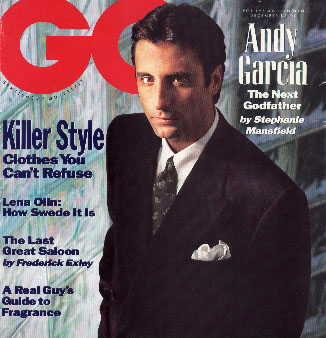
janedoe_embed One of Hollywood’s most private and guarded leading men, Andy Garcia has created a few iconic characters while at the same time staying true to his acting roots and personal projects.

Garcia was born Andrés Arturo García Menéndez on April 12, 1956, in Havana, Cuba, to Amelie Menéndez, a teacher of English, and René García Núñez, an attorney and avocado farmer. Garcia’s family was relatively affluent.

pdc_andygarcia

However, when he was two years old, Fidel Castro came to power, and the family fled to Miami Beach. Forced to work menial jobs for a while, the family started a fragrance company that was eventually worth more than a million dollars. He attended Natilus Junior High School and later at Miami Beach Senior High School. Andy was a popular student in school, a good basketball player and good-looking. He dreamed of playing professional baseball. In his senior year, though, he contracted mononucleosis and hepatitis, and unable to play sports, he turned his attention to acting.

Height 5′ 10″ (1.78 m)

He studied acting with Jay W. Jensen. Jensen was a South Florida legend, counting among his numerous students, Brett Ratner, Roy Firestone, Mickey Rourke, and Luther Campbell. Following his positive high school experiences in acting, he continued his drama studies at Florida International University.

Soon, he was headed out to Hollywood. His first break came as a gang member on the very first episode of the popular TV series Hill Street Blues (1981). His role as a cocaine kingpin in 8 Million Ways to Die (1986) put him on the radar of Brian De Palma, who was casting for his gangster classic The Untouchables (1987). At first, he envisioned Garcia as Al Capone’s sadistic henchman Frank Nitti, but fearing typecasting as a gangster, Garcia campaigned for the role of “George Stone”, the Italian cop who gets accepted into Eliot Ness’ famous band of lawmen. Garcia’s next notable role came in Black Rain (1989) by acclaimed director Ridley Scott, as the partner of police detective Michael Douglas. He then co-starred with Richard Gere in Internal Affairs (1990), directed by Mike Figgis.

In 1989, Francis Ford Coppola was casting for the highly anticipated third installment of his “Godfather” films.

The Godfather: Part III (1990) included one of the most sought-after roles in decades, the hot-headed son of “Sonny Corleone” and mob protégé of “Michael Corleone”, “Vincent Mancini”. A plum role for any young rising star, the role was campaigned for by a host of actors. Val Kilmer, Alec Baldwin, Vincent Spano, Charlie Sheen, and even Robert De Niro (who wanted the role changed to accommodate his age) were all beaten out by the up-and-coming Garcia. His performance was Oscar-nominated as Best Supporting Actor, and secured him international stardom and a place in cinematic history. Now a leading man, he starred in such films as Jennifer 8 (1992) and Hero (1992). He won raves for his role as the husband of Meg Ryan in When a Man Loves a Woman (1994) and gave another charismatic gangster turn in Things to Do in Denver When You’re Dead (1995).

He then returned in Night Falls on Manhattan (1996), directed by Sidney Lumet, as well as portraying legendary mobster Lucky Luciano in Hoodlum (1997). In perhaps his most mainstream role, he portrayed a cop in the action film Desperate Measures (1998). Garcia then starred in a few lower-profile projects that didn’t do much for his career, but things turned around in 2001, with the first of many projects being his role as a cold casino owner in Ocean’s Eleven (2001), directed by Steven Soderbergh.

Seeing his removal from Cuba as involuntary, Garcia is proud of his heritage which influences his life and work.

One such case is his portrayal of renowned Cuban trumpet player Arturo Sandoval in For Love or Country: The Arturo Sandoval Story (2000). He is an extremely private man, and strong believer in old-fashioned chivalry. Married to his wife, Maria Victoria, since 1982, the couple has three daughters.

90gqcove

One of the most talented leading men around, Garcia has had a unique career of staying true to his own ideals and thoughts on acting. While some would have used some of the momentum he has acquired at different points in his career to get rich off lightweight projects, Garcia has stayed true to stories and films that aspire to something more. But with a presence and style that never seem old, a respect from directors and film buffs, alike, Andy Garcia will be remembered for a long time in film history.

Agencies/IMDb/Brian Stewart/Chase Rosenberg/InternetPhotos/YouTube/Arnoldo Varona/TheCubanHistory.com
THE CUBAN HISTORY, HOLLYWOOD.

WWW.THECUBANHISTORY.COM

WWW.THECUBANHISTORY.COM

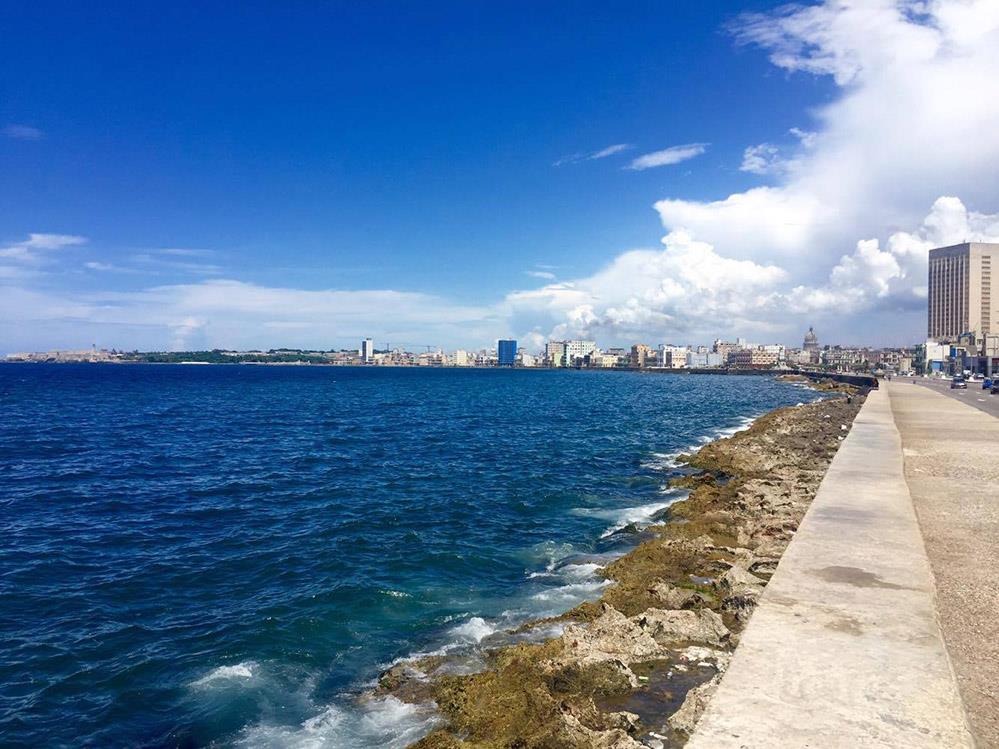
CUBA HOY/TODAY: Desde el Malecón de la Habana.

CUBA HOY/TODAY: Desde el Malecón de la Habana.