

HISTORY FOR THE EQUAL RIGHTS OF WOMEN IN CUBA. .
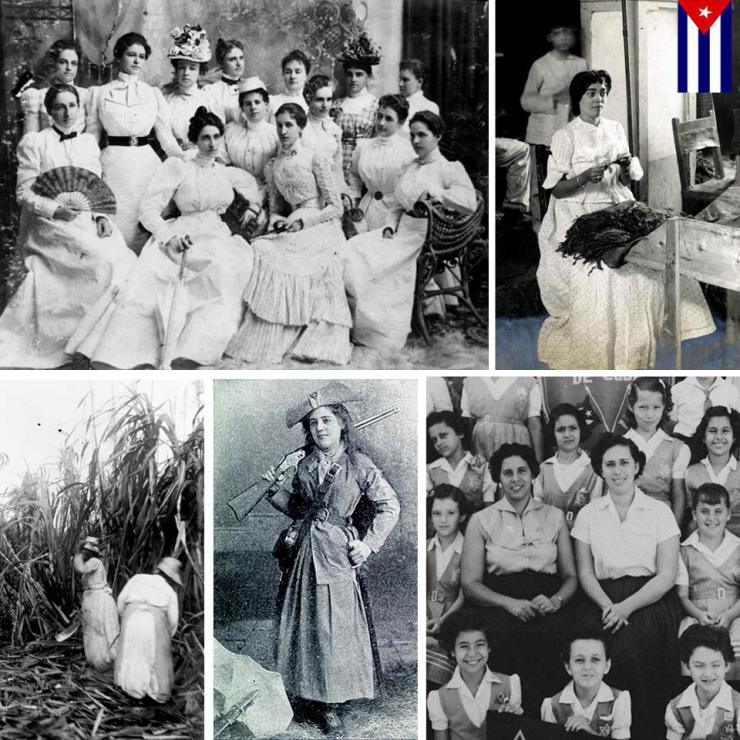
After completion of the first stage of the war of independence (1868-1878), many built for the female archetypes lost sense. Violence, hunger, emigration, changed the romantic image many of poetizas them of the decades of the 50s and 60s, where excelled Gertrudis Gómez de Avellaneda, initiator of the female liberal vanguard.
In 1870, the ideas of a special education for women allowed a much more rapid assimilation of feminist notions. The school for “young ladies” – as called them – allowed why skilled as María Luisa Dolz gained in prestige, since it included the second lesson, mandatory requirement for the entry of Cuban women to the University.
Another aspect that influenced the assimilation of feminism was the emigration of thousands of Cuban women to the United States and the Latin American republics, where they had to assume the double working day, in the factory and the home. So it was not surprising to find poetic works as “The bourgeois of the House”, Luz Herrera.
The emergence of more than 100 female clubs that sympathized with the Cuban pro-independence separatist ideas, allowed women to be present in public spaces where discussed the future of the island. The fact that the Cuban could preside over a club formed by their counterparts and carry out activities in support of the future independent Republic, created in them a new vision of its genre.
The 19th century marked the emergence of the first feminist ideas in Cuba, especially in the Decade of 1890, the aforementioned María Luisa Dolz, author of the most controversial female discourse of the Decade, “feminism injustice of codes”, which was reflected in a score of publications which included the Rotary of wider dissemination in the country.
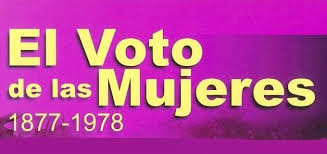
On February 21, 1901, approved the Constitution, which left women without right to vote. This was the beginning of a Republic which had also fought the women, who do not conform with the vision of its first leaders, made claims of public jobs, suffrage, compensation and other demands.
In the more recent history of the 20th century, feminism has been a very disputed term. Independent of any trend in other latitudes, Cuba allowed important claims in very early dates, such as the law of the parenting (1917), the law of divorce (1918) and women’s suffrage (1934).
The construction of a Cuban nationalist ideology in the style of American through public education, used the female force as the future bearer of the pedagogy of his ideal. This issue is encouraged during the first American intervention on the island (1898) and the promotion of “modern ideas for women”, which included courses of improvement of thousands of teachers in the University of Harvard and contacts with the “Woman Club of Boston”. Those insurance meetings influenced the subsequent emergence of feminist organizations to the American style in the country.
There are some statistics about the progressive incorporation of women to the University campuses in the first 15 years of the 19th century. At this stage, 75 women approved opposition to University exams and 189 graduated from doctors in different specialties. Similarly the Magisterium increased the number of 4 244, with 82% of the total number of teachers in Cuba women.
The first suffrage organizations were founded during this period, with a high percent of teachers and Amalia Mallén of Oztolaza figure in the Presidency of the first three: Party national feminist (1912), party suffragist (1913), and party national suffragist (1913), groups that had the vote as fundamental claim
The Decade of 1910 was instrumental in the changes of the archetypes for women. On one side the World War I and its questioned “promotion of industry”, and on the other the influence American customs, created a broader spectrum for the Cuban, where domestic and marital roles could begin to be varied.
The obtaining of the Parenting Act and the Divorce Act, defined a period of boom of liberal feminism in Cuba that will be most noticeable with the creation of the feminine Club (1918), association that core to a part of the protagonists of the feminist debate of the Decade of the 20.
In 1921 created the “associations female Cuban” calling for the first National Congress of women in 1923, the first in Latin America, which included such controversial issues as the difference between legitimate and illegitimate children, the necessity of achieving equality between men and women in the laws on adultery and the inevitable issue of women’s suffrage.
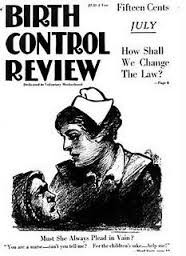
Aside from these developments emerged other types of women’s organizations, such as the “Lyceum of Havana”, instruction and cultural purposes; work as the “Labour Union de Mujeres”, policies, with opposing positions, as the “Radical Union of women” and the infamous “female Club”.
By 1930 the country had the figure of 320 associations registered legally. During the period of transition from the President Ramón Grau San Martín, in January 1934, was approved article 39 on women’s suffrage. After the revolutionary movement of 1933, is it reflected in the celebration in April 1939 “Third Congress national women ‘s”, where for the first time will have a wide representation.
This event had impact on many of the rights that got women in the advanced Constitution of 1940. The fourth title, establishes equality independent of race, class or gender, and in the fifth, with reference to the family title. Article 43 was granted the right of women married to civilian life without that he needed the license or marital authorization to govern their property, freely exercising the trade, industry, profession or art, and dispose of the product of their work. In the sixth title was raised to that law regulated protection of workers maternity.
Women were participating in its double condition of electoras and eligible since 1936. Between 1936 and 1944, had reached the following charges: 3 mayors, representatives 15, 2 Councillors and Senators 2.
After the 40s and starting in the 1950s, feminism in Cuba and in many places of the world ceased to be an event to become a reality in many other bundles. World War II had ended and with it the “back home for women”. And more than 800 female and feminist associations in the country had branched to different problems.
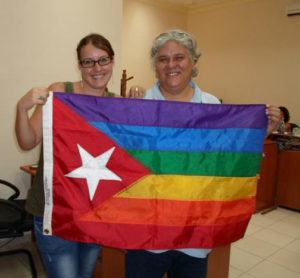
Today with the increased effort as a sign of tolerance activist we do get our greatest congratulations to all the women of our nation, for all the before and now.
Aencies/MemoriasDeCuba/JacomeDebrunin/InternetPhotos/Arnold Varona/TheCubanHistory.com
THE CUBAN HISTORY, HOLLYWOOD.
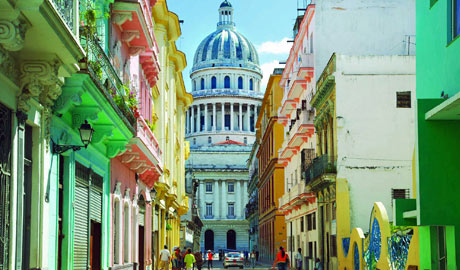
CUBA PHOTOS. National Capitol.
HISTORIA POR LOS DERECHOS IGUALITARIO DE LA MUJER EN CUBA..
Después de finalizada la primera etapa de la Guerra de Independencia (1868-1878), muchos de los arquetipos construidos para la mujer perdieron sentido. La violencia, el hambre, la emigración, cambiaron la imagen romántica de muchas de las poetizas de las décadas del 50 y 60, donde sobresalió Gertrudis Gómez de Avellaneda, iniciadora de la vanguardia liberal femenina.
En 1870, las ideas de una educación especial para la mujer permitieron una asimilación mucho más rápida de las nociones feministas. Los colegios para “señoritas” -como se les denominaron- permitieron que pedagogas como María Luisa Dolz ganaran en prestigio, ya que incluyó la Segunda Enseñanza, requisito obligatorio para la entrada de mujeres cubanas a la Universidad.
Otro aspecto que influyó en la asimilación del feminismo fue la emigración de miles de mujeres cubanas a los Estados Unidos y las repúblicas latinoamericanas, donde tuvieron que asumir la doble jornada laboral, en la factoría y en el hogar. Por eso no fue sorpresivo encontrar obras poéticas como “El Burgués de la Casa”, de Luz Herrera.
El surgimiento de más de 100 clubes femeninos que simpatizaron con las ideas separatistas de los independentistas cubanos, permitió que las mujeres estuvieran presentes en espacios públicos donde se debatió el futuro de la Isla. El hecho de que las cubanas pudieran presidir un club conformado por sus congéneres y realizar actividades en apoyo a la futura república independiente, creó en ellas una nueva visión de su género.
El siglo XIX marcó el surgimiento de las primeras ideas feministas en Cuba, sobre todo en la década de 1890, la ya citada María Luisa Dolz, autora del discurso femenino más polémico de la década, “Feminismo injusticia de los códigos”, el cual se reflejó en una veintena de publicaciones que incluía los rotativos de mayor difusión del país.
El 21 de febrero de 1901, se aprobó la Constitución, que dejó a las mujeres sin derecho al voto. Este fue el comienzo de una república por la cual también habían luchado las mujeres, quienes no conformes con la visión de sus primeros mandatarios, hicieron reclamos de puestos públicos, sufragio, indemnizaciones y otros tipos de demandas.
En la historia más reciente del siglo XX, el feminismo ha sido un término muy cuestionado. Independiente de cualquier tendencia en otras latitudes, en Cuba permitió la obtención de importantes reivindicaciones en fechas muy tempranas, como la Ley de la Patria Potestad (1917), la Ley del Divorcio (1918) y del Sufragio Femenino (1934).
La construcción de un ideario nacionalista cubano al estilo norteamericano a través de la instrucción pública, utilizó a la fuerza femenina como futura portadora de la pedagogía de su ideal. Esta cuestión se fomentó durante la primera intervención norteamericana en la Isla (1898) y la promoción de “ideas modernas para la mujer”, que incluyó cursos de superación de miles de maestras en la Universidad de Harvard y contactos con el “Woman Club de Boston”. Esos encuentros de seguro influyeron en el ulterior surgimiento de organizaciones feministas al estilo norteamericano en el país.
Existen algunas estadísticas sobre la progresiva incorporación de las mujeres a los recintos universitarios en los primeros 15 años del siglo XIX. En esta etapa 75 mujeres aprobaron los exámenes de oposición a la Universidad y 189 se graduaron de doctoras en diferentes especialidades. De igual forma el magisterio aumentó al número de 4 244, siendo las mujeres el 82% del total de maestros de Cuba.
Las primeras organizaciones del sufragio se fundaron en este mismo período, con un por ciento elevado de maestras y la figura de Amalia Mallén de Oztolaza en la presidencia de las tres primeras: Partido Nacional Feminista (1912), Partido Sufragista (1913), y Partido Nacional Sufragista (1913), agrupaciones que tuvieron el voto como reclamo fundamental
La década del 1910 fue decisiva en los cambios de los arquetipos para la mujer. Por un lado la I Guerra Mundial y su cuestionada “promoción del sector femenino”, y por otro la influencia norteamericana en costumbres, crearon un espectro más amplio para las cubanas, donde los roles domésticos y maritales pudieron empezar a ser variados.
La obtención de la Ley de la Patria Potestad y la Ley del Divorcio, definieron una etapa de auge del feminismo liberal en Cuba que se hará más notorio con la creación del Club Femenino (1918), asociación que nucleó a una parte de las protagonistas del debate feminista de la década del 20.
En 1921 se crean las “Asociaciones Femeninas de Cuba” convocando al Primer Congreso Nacional de Mujeres en 1923, el primero en Hispanoamérica, que incluyó aspectos tan polémicos como la diferencia entre hijos legítimos e ilegítimos, la necesidad de lograr una igualdad entre el hombre y la mujer en la legislación sobre el adulterio y el inevitable tema del sufragio femenino.
Al margen de estos acontecimientos surgieron otros tipos de organizaciones femeninas, como el “Lyceum de La Habana”, con fines culturales y de instrucción; de trabajo como la “Unión Laborista de Mujeres”, y políticas, con posiciones opuestas, como la “Unión Radical de Mujeres” y la tristemente célebre “Porra Femenina”.
Para 1930 el país tenía la cifra de 320 asociaciones femeninas registradas de forma legal. Durante el período de transición del presidente Ramón Grau San Martín, en enero de 1934, fue aprobado el artículo 39 sobre el sufragio femenino. Después del movimiento revolucionario de 1933, se ve reflejado en la celebración en abril de 1939 del “Tercer Congreso Nacional de Mujeres”, donde por primera vez tendrán una amplia representación.
Este evento femenino tuvo repercusión en muchos de los derechos que obtuvo la mujer en la avanzada Constitución de 1940. En el título cuarto, se establece la igualdad independiente de la raza, clase o sexo, y en el título quinto, referente a la familia. En el artículo 43 se otorgó el derecho de la mujer casada a la vida civil sin que necesitase la licencia o autorización marital para regir sus bienes, ejercer libremente el comercio, la industria, profesión o arte y disponer del producto de su trabajo. En el título sexto se planteó que la ley regulaba la protección de la maternidad obrera.
Ya desde 1936 las mujeres participaban en su doble condición de electoras y elegibles. Entre 1936 y 1944, habían alcanzado los siguientes cargos: Alcaldesas 3, Representantes 15, Concejales 2 y Senadoras 2.
Finalizada la década del 40 y comenzando los años 50, el feminismo en Cuba y en muchos lugares del mundo dejó de ser un suceso para convertirse en una realidad inmersa en muchas otras madejas. La II Guerra Mundial había finalizado y con ella la “vuelta a casa para la mujer”. Y las más de 800 asociaciones feministas y femeninas del país se habían ramificado hacia problemáticas diferentes.
Hoy con el mayor esfuerzo como signo de tolerancia activista hacemos llegar nuestras mayores felicitaciones a todas las mujeres de nuestra nacion, para todas, las de antes y las de ahora.
Agencies/MemoriasDeCuba/Debrunín Jacomé/InternetPhotos/Arnoldo Varona/TheCubanHistory.com
THE CUBAN HISTORY, HOLLYWOOD.

WWW.THECUBANHISTORY.COM