


 TRAVELING to Cuba. Analysis. + LOS VIAJES a Cuba. Un Analisis.
TRAVELING TO CUBA. ANALYSIS.
The most reliable statistics speak of a growth of poverty, inequality and youth emigration faster than the market, investment, loans and internal productivity. Portray a politically inert economically stagnant country and governed by a single communist party and a handful of octogenarian leaders. Still, diplomatic life in Havana is increasingly intense and their impact is felt beyond the consular circuit in the small gentrified area of the city, in tastes, galleries, salsa clubs and mansions of the new elite.
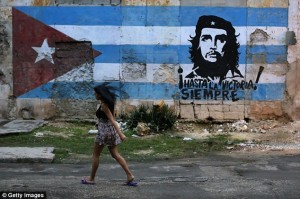
.. Until recently, Cuban diplomacy was engaged to build global alternatives. It was arming guerrillas in Latin America or Africa, solidarity with the Third World nationalism, agreeing with the Soviets or encouraging populism, Fidel Castro made Cuba a place of pilgrimage for all radicalism: Montoneros and communists, liberation theologians and Islamists, Allende and Che Guevara, Basque separatists and black panthers, Zapatistas and globalists. Only they left out the Trotskyites and anarchists.
Which it meant for those travelers Cuba could be as different as a libertarian socialist and Stalinist totalitarianism, but seduction was based on a non-capitalist and non-democratic society, although located in the heart of the West. Until the “battle of ideas” (1998-2006), when parades obsessive sons of Ayatollah Khomeini and flags of the FARC were distinguished, Cuba was left extremist sanctuary, however, and saw the island as a symbol or ally geopolitical and not as a model.
Today is another thing. Those who travel, politicians and businessmen, gallery owners or producers, stars and tourists, looking more like a market than a utopia. Who sold the island, from power, have learned to offer the traveler what he seeks: a friendly anomaly, an intense and superficial place, ahead of its backwardness, no Internet, no political rights, but with reggaeton and beautiful beaches. The average Cuban receives the traveler with a mixture of pride and melancholy, admires Obama and distrusts Raul, known not live well, but not how to improve.
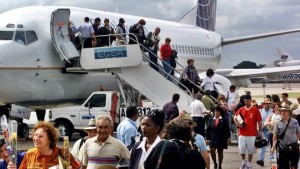
That Cuba exposed to contact with the traveler is, in any case, a minority or a bubble in the capital and other tourist destinations. Most of the population lives in non-convertible currency, with poverty wages at the expense of subsidies that do not meet the consumer basket. If the economy does not open to credit and investment, including sources of the Cuban capital and small and medium enterprises, social disparities grow. For that to happen the political regime should be relaxed, something that terrifies the power elite.
Diplomatic Cuba is very different from the majority of citizens, but also to Cuba’s official Granma, the PCC and the Round Table, where it seems that the Berlin Wall has fallen and Chavez has not died. The only thing in common is that all three countries are pinning their hopes on the outside. The new class expected by foreign capital, remittances from citizens or the lottery of visas and the ruling by the “end of the blockade and the murderous law”. Not surprisingly, the greatest expectation of each other is a journey of Barack Obama.
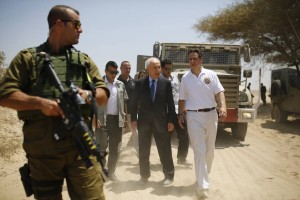
If it is true, as announced a few days ago the New York Times, Obama will visit Cuba in March during its tour of Colombia and Argentina, where, incidentally, will support governments that Havana considered “neoliberal”, it is worth remembering that President come days before the VII Congress of the Communist Party, which shall prepare the succession of power from 2018. It would be very strange that Obama not accompany your visit with a call for political reform and the extension of civil liberties on the island. More strange that the Cuban leaders would take notice.
El Pais, Spain / Excerpts/Rafael Rojas / Internet Photos / TheCubanHistory.como
The Cuban History, Hollywood.
Arnoldo Varona, Editor.
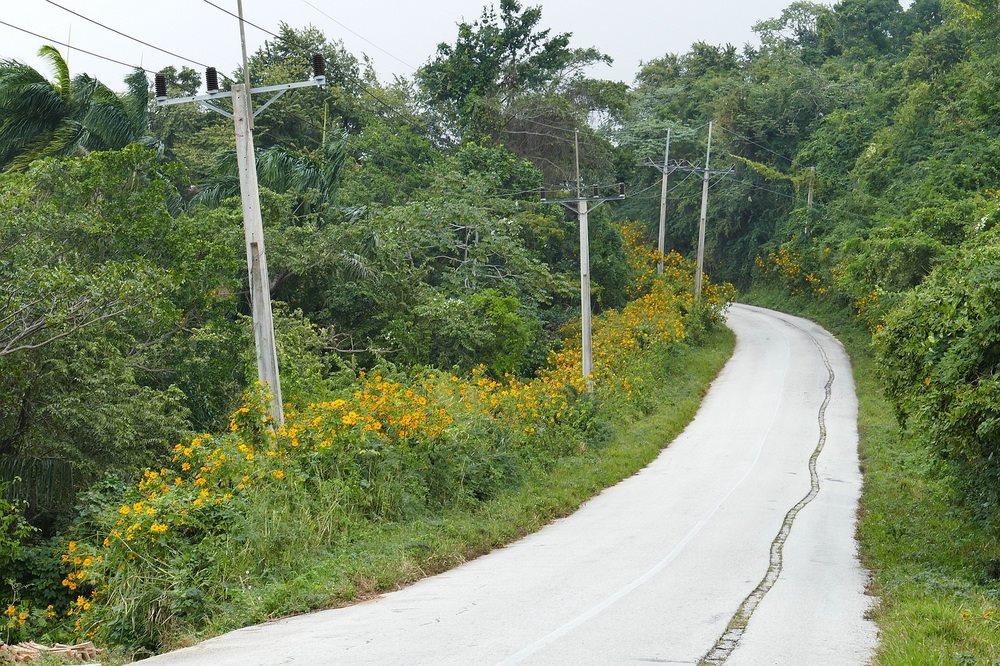
CUBA TODAY/Hoy: Viaje a través del Macizo montañoso del Escambray.
LOS VIAJES A CUBA. UN ANALISIS.
Las estadísticas más confiables hablan de un crecimiento de la pobreza, la desigualdad y la emigración joven más acelerado que el del mercado, las inversiones, los créditos y la productividad interna. Retratan un país económicamente estancado y políticamente inerte, gobernado por un partido comunista único y un puñado de líderes octogenarios. Pero aún así, la vida diplomática en La Habana es cada vez más intensa y su impacto se percibe más allá del circuito consular, en la pequeña zona gentrificada de la ciudad, en paladares, galerías, clubes de salsa y mansiones de la nueva élite.
.. Hasta hace poco, la diplomacia cubana se dedicaba a construir alternativas globales. Fuera armando guerrillas en América Latina o en África, solidarizándose con los nacionalismos del Tercer Mundo, pactando con los soviéticos o alentando el neopopulismo, Fidel Castro hizo de Cuba un lugar de peregrinación de todos los radicalismos: montoneros y comunistas, teólogos de la liberación e islamistas, guevaristas y allendistas, separatistas vascos y panteras negras, neozapatistas y globalifóbicos. Sólo quedaron fuera los trotskistas y los anarquistas.
Lo que significaba Cuba para esos viajeros podía ser tan distinto como un socialismo libertario y un totalitarismo estalinista, pero la seducción partía de una sociedad no capitalista y no democrática, aunque situada en el corazón de Occidente. Hasta la “batalla de ideas” (1998-2006), cuando en los obsesivos desfiles se distinguían hijos del ayatolá Jomeini y banderas de las FARC, Cuba fue santuario de una izquierda extremista que, sin embargo, ya veía la isla como símbolo o aliado geopolítico y no como modelo a seguir.
Hoy es otra cosa. Los que viajan, políticos o empresarios, galeristas o productores, estrellas o turistas, buscan más un mercado que una utopía. Quienes venden la isla, desde el poder, han aprendido a ofrecer al viajero lo que éste busca: una anomalía amigable, un lugar intenso y superficial, adelantado en su atraso, sin Internet, ni derechos políticos, pero con reggaetón y lindas playas. El cubano de a pie recibe al viajero con una mezcla de orgullo y melancolía, admira a Obama y desconfía de Raúl, sabe que no vive bien, pero no tiene cómo mejorar.
Esa Cuba expuesta al contacto con el viajero es, en todo caso, una minoría o una burbuja de la capital y otros polos turísticos. La mayor parte de la población vive en moneda no convertible, con salarios miserables, a expensas de subsidios que no llenan la canasta de consumo. Si la economía no se abre al crédito y la inversión, incluyendo fuentes del capital cubanoamericano, y a la pequeña y mediana empresa, la disparidad social crecerá. Para que eso suceda el régimen político debe flexibilizarse, algo que aterra a la élite del poder.
La Cuba diplomática es muy distinta a la mayoría ciudadana, pero, también, a la Cuba oficial de Granma, la Mesa Redonda y el PCC, donde pareciera que el muro de Berlín no ha caído y Chávez no ha muerto. Lo único en común es que esos tres países depositan sus esperanzas en el exterior. La nueva clase espera por el capital foráneo, los ciudadanos por las remesas o la lotería de las visas y el oficialismo por el “fin del bloqueo y la ley asesina”. No es extraño que la mayor expectativa de unos y otros sea un viaje de Barack Obama.
Si es verdad, como anunciaba hace días el New York Times, que Obama visitará Cuba en marzo, durante su gira por Colombia y Argentina, donde, por cierto, respaldará a Gobiernos que La Habana considera “neoliberales”, no está de más recordar que el presidente llegará días antes del VII Congreso del Partido Comunista, donde deberá prepararse la sucesión de poderes de 2018. Sería muy extraño que Obama no acompañe su visita con un llamado a la reforma política y a la extensión de libertades públicas en la isla. Más extraño sería que los gobernantes cubanos le hagan caso.
El Pais, Spain/Extractos/Rafael Rojas/Internet Photos/TheCubanHistory.como
The Cuban History, Hollywood.
Arnoldo Varona, Editor.