


CUBA Y EUROPA INICIAN NUEVA RONDA DE NEGOCIACIONES.
En 1996, después de que la Fuerza Aérea de Cuba derribara dos avionetas de la organización de exiliados cubanos Hermanos al rescate, afincada en Miami y por solicitud del presidente del Gobierno español, José María Aznar, el 2 de diciembre de ese año la Unión Europea aprobó la posición común, que condicionaba la cooperación con Cuba a su apertura democrática. .. Siete años más tarde, La Habana se incorporó como observador formal en las negociaciones comerciales entre la UE y el grupo de países ACP (de África, el Caribe y el Pacífico), y el 10 de marzo de 2003, el bloque inauguró una oficina en La Habana; pero el diálogo volvió a suspenderse después de que la Unión Europea anunciara sanciones contra la isla, el 5 de junio de 2003, tras el fusilamiento de tres disidentes y la imposición de severas condenas de prisión contra otros 75, en el periodo conocido como “la primavera negra”.
Nuevo esfuerzo.
Cuba y la Unión Europea han iniciado este lunes la primera ronda de negociaciones que conducirá a la aprobación de un nuevo acuerdo de diálogo político y cooperación, y a la normalización de sus relaciones bilaterales. Estas conversaciones también supondrán el levantamiento definitivo del veto impuesto en 1996 por el bloque comunitario contra La Habana conocido como la posición común: un instrumento diplomático que condicionaba el diálogo de cualquier índole al avance democrático y al respeto de los derechos humanos dentro de la isla. Hasta el momento, Cuba es el único país de la región con el que la Unión Europea no han suscrito ningún tipo de acuerdo bilateral, aún a pesar de que 14 países del bloque mantienen lazos de cooperación y intercambio político con La Habana.
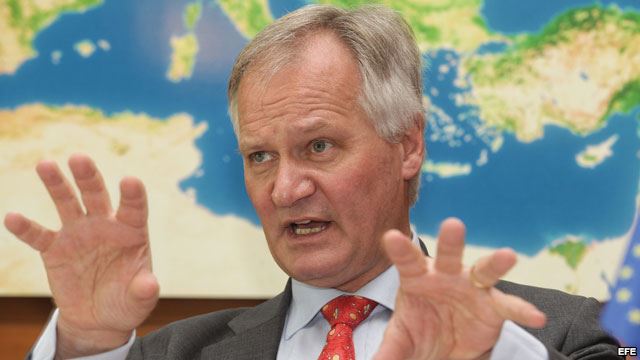
El primer ciclo de conversaciones ha comenzado a las tres de la tarde de este martes (hora local) en la sede del Ministerio de Relaciones Exteriores de Cuba y culminará este miércoles por la tarde. Allí, ambas partes establecerán las condiciones bajo las cuales se construirá el nuevo acuerdo. El director para las Américas del Servicio Europeo de Acción Exterior (SEAE), Christian Leffler, ha dicho en la antesala de la reunión que Bruselas se incorpora el proceso “con mucha confianza”; el miércoles él será el encargado de informar a los medios sobre los resultados de este encuentro. Hasta el momento está prevista la convocatoria a rondas de negociación cada dos meses, según adelantó Leffler en marzo pasado.
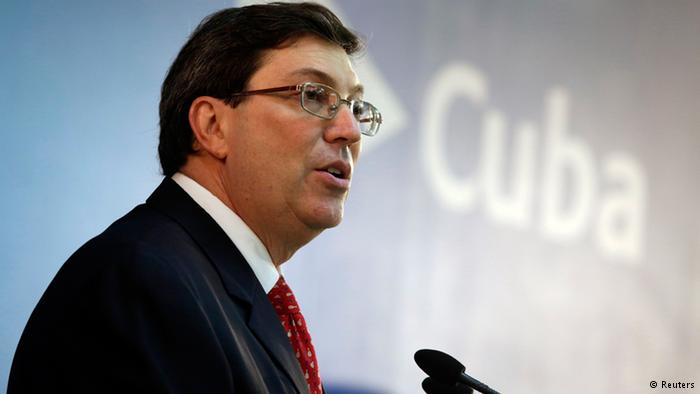
La reunión ha sido posible después de que La Habana aceptara, el pasado 3 de marzo, la propuesta de la Unión Europea de discutir un acuerdo de diálogo político y de cooperación, aprobada un mes antes en Bruselas. “Cuba acoge con satisfacción esta propuesta del 10 de febrero de la alta representante (Catherine Aston), que significa el fin de las políticas unilaterales de la Unión Europea sobre Cuba y acepta el inicio de negociaciones al respecto”, anunció en aquella oportunidad el canciller cubano, Bruno Rodríguez, durante una conferencia de prensa en la que aseguró que su Gobierno estaba dispuesto a discutir “cualquier tema”, incluyendo el del respeto a los derechos humanos. El bloque celebró la respuesta de la isla e informó que las discusiones se desarrollarían “con espíritu constructivo y de respeto mutuo”, sin revelar cuáles serían las directrices que guiarían la elaboración del acuerdo de diálogo político y de cooperación que el Consejo de Ministros de Exteriores de la Unión Europea estuvo considerando durante el último año.

El avance hacia el deshielo de las relaciones bilaterales ocurre en el contexto de un lento de apertura económica puesto en marcha por el Gobierno de Raúl Castro para actualizar el vetusto modelo socialista y atraer inversiones extranjeras que levanten las deprimidas finanzas de Cuba.
ElPais/Maye Primera/InternetPhotos/www.thecubanhistory.com
CUBA AND EUROPE start new round of negotiations.
The Cuban History, Hollywood.
Arnoldo Varona, Editor
(Cuba en Fotos).

CUBA AND EUROPE STARTS NEW ROUND OF NEGOTIATIONS .
In 1996 , after the Air Force shot down two small planes Cuba the Cuban exile organization Brothers to the Rescue , based in Miami. At the request of the Spanish Prime Minister , José María Aznar, on 2 December of that year the European Union adopted the common position , which conditioned cooperation with Cuba to its democratic opening . Seven years later .. , Havana was incorporated as a formal observer in trade negotiations between the EU and the ACP group ( Africa , Caribbean and Pacific ) and the March 10, 2003 , inaugurated a block office in Havana ; but the dialogue was resuspended after the European Union announced sanctions against the island, June 5, 2003 , following the execution of three dissidents and imposing heavy prison sentences against 75 others , in the period known as ” the black Spring ” .
New effort.
Cuba and the European Union have begun on Monday the first round of negotiations leading to the adoption of a new agreement on political dialogue and cooperation, and the normalization of their bilateral relations . These discussions also imply the definitive lifting of the ban imposed in 1996 by the European bloc against Havana known as the common position: a diplomatic instrument which conditioned the dialogue of any kind of democratic progress and respect for human rights on the island . So far, Cuba is the only country in the region with the European Union that have not signed any bilateral agreement , even though 14 countries in the bloc have ties to political cooperation and exchange with Cuba .
The first round of talks has started at three in the afternoon on Tuesday (local time) at the headquarters of the Ministry of Foreign Affairs of Cuba and will end on Wednesday afternoon. There, both parties will establish the conditions under which the new agreement will be built. Director for the Americas of the European External Action Service (EEAS ) , Christian Leffler , said on the eve of the Brussels meeting that incorporates the process ” very confident ” ; Wednesday he will be responsible for informing the media about the results of this meeting. So far the call is scheduled to negotiating rounds every two months, according to Leffler forward in March.
The meeting was made possible after acceptance Havana , on 3 March, the proposal from the European Union to discuss an agreement on political dialogue and cooperation , adopted a month earlier in Brussels. ” Cuba welcomes this proposal February 10, the High Representative ( Catherine Ashton ), which means the end of the unilateral policies of the European Union on Cuba and agree to start negotiations about it,” said the foreign minister at that time Cuba , Bruno Rodriguez, during a press conference in which he said his government was ready to discuss ” any issues ” including respect for human rights. The block held the answer of the island and reported that discussions would take place ” in a constructive spirit and mutual respect ” without revealing what the guidelines that would guide the drafting of the agreement on political dialogue and cooperation would be that the Council of Ministers of Foreign the European Union was considering over the last year .
The progress of the thaw in bilateral relations occurs in the context of slow economic liberalization launched by the government of Raul Castro to update the ancient socialist model and attract foreign investment to raise finance depressed Cuba .
ElPais / Maye Primera/InternetPhotos / www.thecubanhistory.com
CUBA AND EUROPE start new round of Negotiations .
The Cuban History , Hollywood.
Arnoldo Varona , Editor